Review: Walk
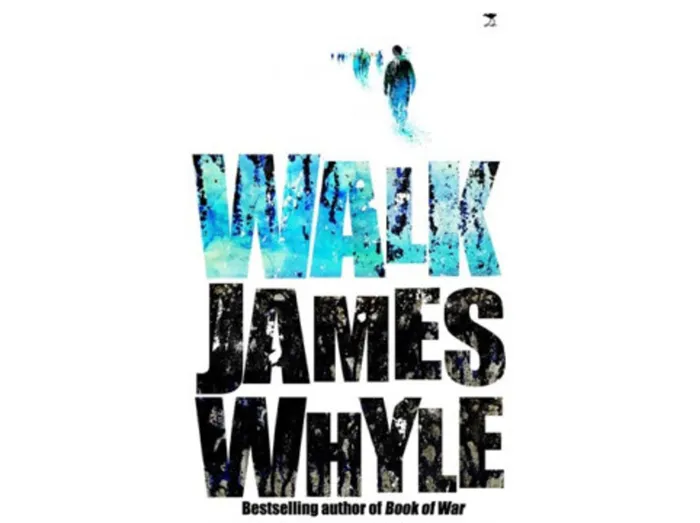
by James Whyle (Jacana)
James Whyle, whose first novel, The Book of War, made a huge impact on the local literary scene in 2012, is a man who uses words sparingly; there is nothing superfluous about his writing.
Walk itself is spare, delivered in less than 140 pages.
Whyle has a specific view on historical truth. This should be mentioned in order to forestall accusations of a lack of originality, even perhaps of “plagiarism” from the Journal and Evidence of William Hubberly.
Hubberly was bound as an apprentice to William Shaw (second mate of the shipwrecked Grosvenor) in 1779 and
not only gave evidence to the Dalrymple Commission, which investigated the circumstances of the disaster, but also, 20 years later, dictated to a professional copier a manuscript with the title The Loss of the Grosvenor Indiaman, Captain Coxon.
This, with the Dalrymple Commission and the report of Heligert Muller, whose party searched for the survivors, all form the basis of the tale that Whyle relates as he transforms the written history into literature.
Where the report gives sketchy outlines, he reimagines this as the war of people against nature, and of people against one another and against others.
They become not just names, but characters. In short, Walk is an impeccably crafted literary masterpiece.