

In a world caught in a whirlwind of geopolitical strife and soaring inflation, financial markets are facing unprecedented challenges. Find out how these factors are impacting global economies and what they mean for your investments.
Image: File
The ongoing conflict in the Middle East has sent shockwaves through global financial markets, leaving investors grappling with heightened risk aversion.
As geopolitical tensions escalated, the erosion of sentiment is palpable, resulting in significant pressure on risk assets across the globe.
Bianca Botes, Director at Citadel Global said that this morning, the MSCI Asia Pacific Index reported a staggering decline of over 5%, marking one of its most notable market downswings since the infamous "Liberation Day" instigated by former President Donald Trump in April 2025.
"The ramifications are being felt particularly hard in China, where reports of higher-than-expected inflation have compounded investor concerns, leading to a cascading effect across Asian markets. The turmoil did not spare the US market, as futures plunged deep into the red, indicating a rocky day ahead filled with potential volatility for traders," Botes said.
She added that both equities and emerging market currencies are suffering amidst a broader selloff, with sentiments swinging sharply following overnight developments in the oil market.
Crude prices surged beyond the $100 per barrel threshold, now trading at a striking $115 per barrel, a remarkable 24% increase.
"This sharp rise in oil costs is stoking inflationary fears around the globe and further exacerbating an already precarious economic outlook. In the commodities market, gold is not escaping the fallout either, with prices dipping around 1.5%. Currently trading at £5,082 per ounce, investors are shifting their assets toward the US dollar amid increasing uncertainties. The US Dollar Index has risen by 0.63%, inching closer to the psychologically significant 100 mark," Botes said.
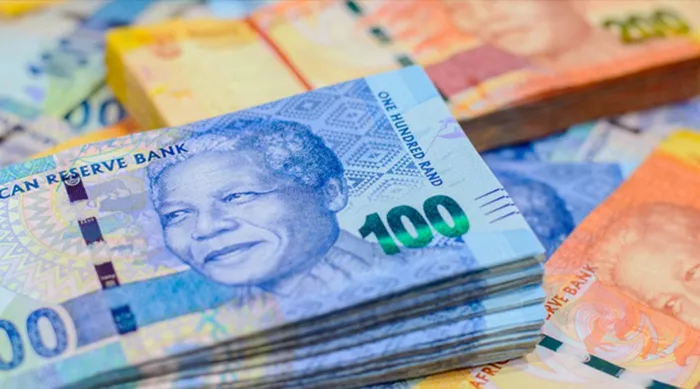
The South African rand feels the weight of these developments too.
"The local currency starts the trading week under renewed pressure, with rates hitting R16.83 against the dollar, R19.42 against the euro, and R22.42 against the pound. Analysts warn of persistent volatility in the rand as emerging market currencies are typically more sensitive to global shocks of this nature," Botes said.
As investors brace for what could be a turbulent trading week, the geopolitical landscape and economic fundamentals will remain centre stage, and it appears the ripple effects of the Middle Eastern conflict will continue to resonate far beyond its borders.
Follow Business Report on Facebook, X and on LinkedIn for the latest Business and tech news.