

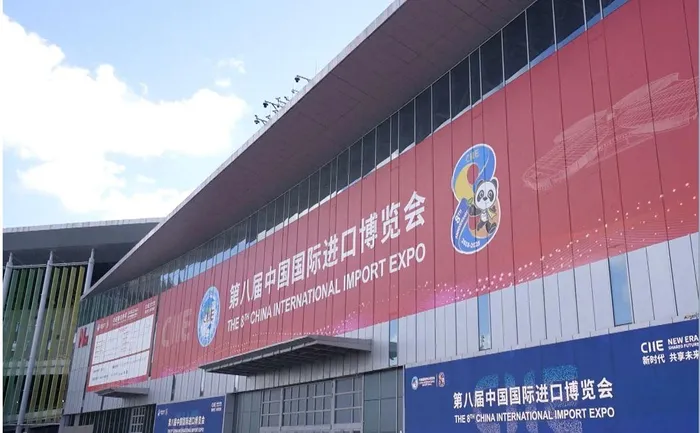
The 2025 China International Import Expo (CIIE) began in Shanghai this week
Image: Supplied
As the curtains were raised on the 2025 China International Import Expo (CIIE) on Wednesday, the sprawling exhibition halls in Shanghai are more than just a marketplace. They are the physical embodiment of a distinct economic philosophy, one that is reshaping China's engagement with the world, particularly with its partners across the Global South.
This year's event, larger and more diverse than ever, is a powerful statement: China's door is not just open; it is being held open proactively, inviting the world to "Export to China" in a new chapter of shared development.
For years, the global narrative has centered on "Investing in China." The 2025 CIIE signals a strategic and symbolic pivot. The introduction of the "Export to China" brand, a national-level initiative, is a deliberate move away from the traditional calculus of reciprocal trade deals.
It champions a form of unilateral openness, a confident policy choice where China leverages the immense gravity of its domestic market as a global public good.
This aligns directly with China's vision of fostering a more just and reasonable global governance system and building a community with a shared future. The CIIE is the premier platform where this vision transitions from principle to practice.
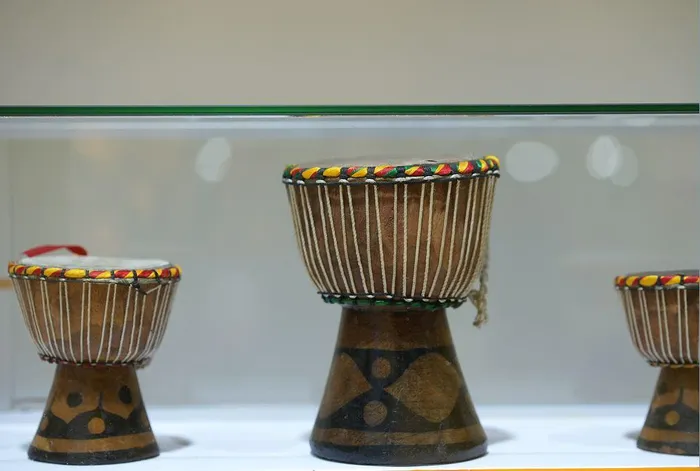
Some of the items on display at the 2025 China International Import Expo (CIIE)
Image: Supplied
The centerpiece of this commitment is the newly established "Asia-Africa Products Zone." An upgrade and expansion of the previous Africa-specific section, this zone is a tangible mechanism designed to help African nations—and other Least Developed Countries (LDCs)—fully utilize the zero-tariff policy China has extended for 98% of taxable product items.
With over 110 enterprises, including more than 90 from 30 LDCs, the zone is a vibrant testament to inclusive trade. This is supported by concrete measures, including the provision of over 120 free booths, ensuring that market access is not hindered by financial barriers.
This year, the number of participating enterprises from countries along the Belt and Road Initiative grew by an impressive 23.1%, while firms from Least Developed Countries (LDCs) saw their numbers jump by 23.5% to 163.
The tangible results are found not just in macro-statistics but on the shelves and in the tasting booths. Gambian cashews, which gained import approval just last June, sit alongside Madagascan mutton, making its debut in the Chinese market.
They share the space with the rich aroma of Ethiopian coffee, the unique flavour of Kenyan purple tea, and chocolates made from Ghana's premium cocoa. These are the "small but beautiful" products that, through the CIIE, find a path to the world's largest consumer base, transforming local agriculture and small enterprises into global exporters.
This focus at the CIIE reflects a much broader and deepening economic relationship. For 15 consecutive years, China has stood as Africa's largest trading partner. In 2024 alone, bilateral trade reached approximately $290 billion(R5 trillion), a year-on-year increase of 6.1%.
The growth is not just historic—climbing from 87.4 billion yuan in 2000 at an average annual rate of 14.2%—but is also evolving in its composition. While China's exports of high-value goods to Africa, such as electric vehicles (up 104.8% in 2024), are surging, its commitment to boosting imports from the continent is creating a more balanced and sustainable trade structure.
This year, seven African nations, including Benin and Madagascar, are participating in the CIIE's Country Exhibition for the first time, a sign of the continent's growing confidence in the platform. With the number of African enterprises at the expo increasing by 80% from the previous year, the message is clear: the CIIE is seen as a crucial engine for economic diversification and growth.
In an era where trade is often politicized, the CIIE champions pragmatism. By bringing together businesses, policymakers, and consumers, it fosters tangible economic cooperation and cultural understanding, proving that shared interests can transcend geopolitical complexities.
The 2025 CIIE is therefore more than a record-breaking trade fair. It is a classroom in modern global governance, demonstrating how a major economy can actively facilitate global development.
For Africa, it represents a partnership that goes beyond rhetoric, offering concrete tools, market access, and a shared vision of prosperity. As containers of cashews, coffee, and mutton begin their journey from African farms to Chinese tables, they carry with them the promise of a future built not on aid, but on equitable and open trade.
DAILY NEWS