

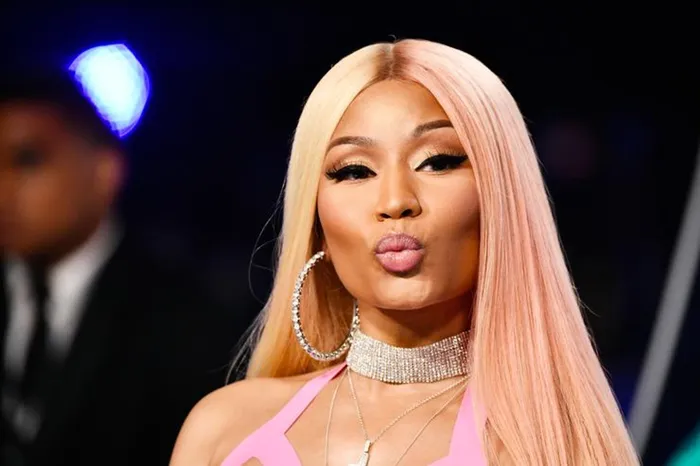
Nicki Minaj.
Image: Supplied
It’s awards season again, and Nicki Minaj is making headlines but not for a hit song or a standout red carpet look this time.
It’s about a digital spiral that has the entertainment industry, and fans worldwide, asking: What are we watching unfold?
Over the past several months, the 43-year-old rap icon has unleashed a series of explosive social media rants targeting Cardi B, Jay-Z and Beyoncé, blending personal grievance, industry frustration and political allegiance into a saga that feels bigger than celebrity beef.
It’s become one of the most polarising conversations in pop culture right now.
In late 2025, Minaj’s long-running feud with Cardi B reached what many observers called its “ugliest chapter.” During a heated exchange on X (formerly Twitter), Minaj insulted Cardi’s 6-year-old daughter, Kulture Kiari, referring to her with derogatory names.
The reaction was immediate. Public figures like Queen Latifah criticized Minaj, saying she had crossed a line by targeting a child instead of keeping the feud between adults.
Minaj later attempted a walk-back, calling Kulture a “cute and beautiful child” while claiming her earlier comments were retaliation for alleged bullying of her own son. Critics described the apology as “backhanded,” and the internet debate only intensified.
The rap industry is built on lyrical warfare; this feels different. It feels personal.
The Carter's allegations
If that wasn’t enough, Minaj’s accusations against Jay-Z and Beyoncé have escalated into unverified criminal claims.
On February 1, the same night as the 2026 Grammy Awards, she posted: “Are y’all understanding that these ppl have been sacrificing children as a way of gaining & maintaining power? If you ever vote Democrat again, you’re just as soulless as they are & will perish.”
She followed with: “Maybe it’s time for me to do some story times - since I was trying not say what I know - yet they continue to attempt bullying.”
Minaj has also alleged that Jay-Z owes her between $100 million and $200 million related to Tidal’s 2021 sale and accused Roc Nation of blackballing her, suppressing her social media reach and influencing Billboard charts.
None of these claims has been substantiated, and the Carters have not publicly responded.
Reports surfaced in December 2025 that Roc Nation issued a cease and desist letter, warning of potential legal action if the allegations continued.
Politics, power and public perception
Layered into this is Minaj’s vocal support for Donald Trump. Appearing at the Trump Accounts Summit in Washington, D.C., she declared, “I am probably the president’s No. 1 fan … it actually motivates me to support him more.”
She has framed her industry disputes as part of a larger political battle, accusing “Democrat elites” of weaponising influence against her.
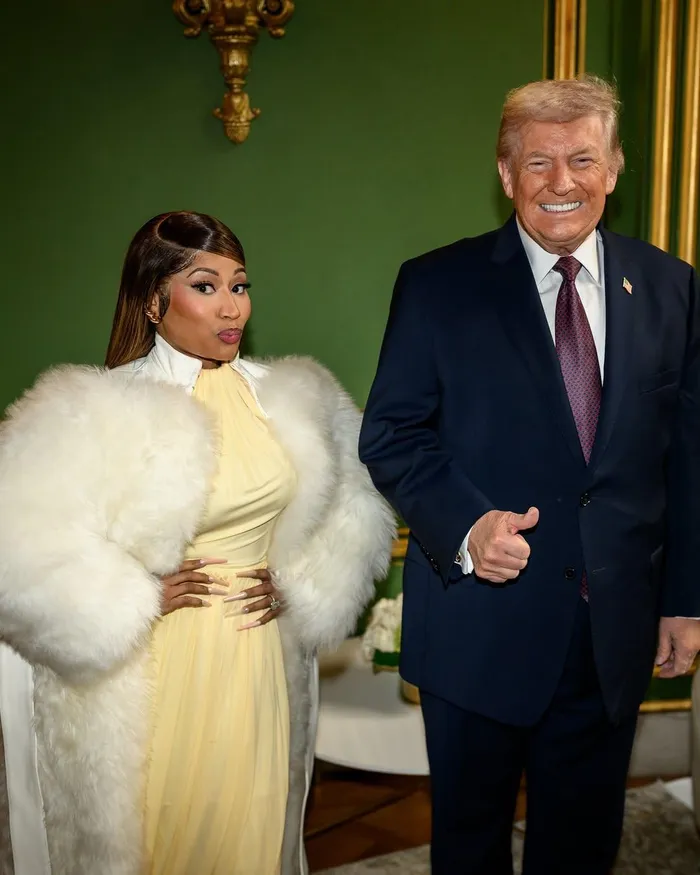
Rapper Nicki Minaj poses with President Donald Trump at the Andrew W. Mellon Auditorium in Washington, DC.
Image: Instagram/White house
Internet sleuths and die-hard fans argue the timing of her rants often coincides with rivals’ career milestones, fuelling speculation about motive.
Supporters insist she’s exposing uncomfortable truths.
Meanwhile, she was notably absent from the Grammys. Host Trevor Noah quipped, “Nicki Minaj is not here… She is still at the White House with Donald Trump discussing very important issues.”
The joke landed. But so did the discomfort.
For many fans, this moment feels like watching a cultural titan wrestle publicly with legacy, loyalty and power in the age of social media. Normally, when people are going through midlife crises, they buy Ferraris, date people twice their age, not destroy an entire legacy built on hard work and talent.
What’s undeniable is this: Minaj remains or was one of hip-hop’s most influential figures.
But in 2026, the conversation around her is no longer just about music. It’s about celebrity accountability, conspiracy culture, political identity and the cost of staying loud in a world that never stops listening.
And we’re all still watching.