

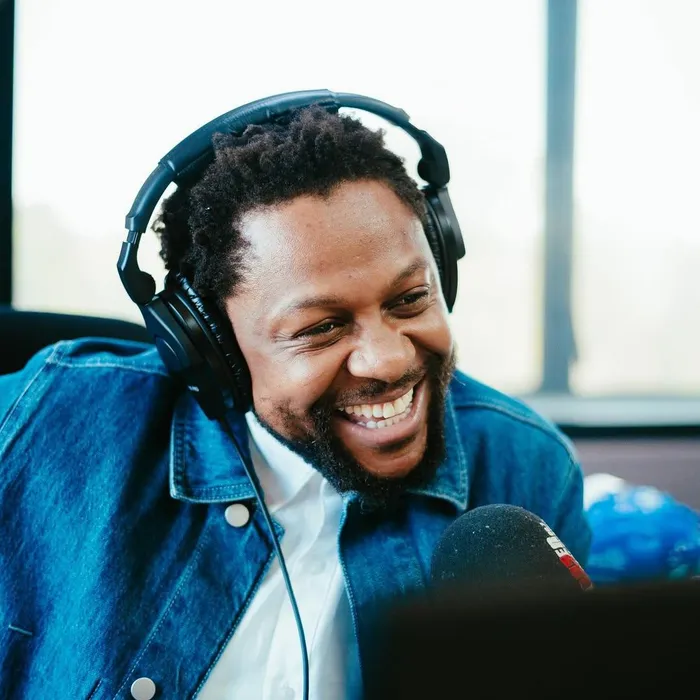
Ndlozi’s new album, “Usizi”, is a seven-track project rooted in the amagwijo tradition.
Image: Instagram/Mbuyiseni Ndlozi
Ndlozi's new album “Usizi” is a seven-track project that runs for 23 minutes and draws its core influence from amagwijo.
Better known as Dr Mbuyiseni Ndlozi in the political space as a former spokesperson for the Economic Freedom Fighters (EFF), he now hosts #POWERTalk on POWER98.7.
When he announced the album on social media, he wrote that he was excited to share it and wanted to “keep the bonfire burning”. As an artist, he simply goes by his surname.
He has once spoken on his Power Talk radio show about the importance of amagwijo as a form of collective expression, resilience and cultural recovery.
His love for singing goes back many years, and this project marks his decision to place that passion at the centre of a formal release.
The album carries the spirit of collective struggle, with recurring themes of pain, reflection and the ongoing search for national healing.
The songs are short, rhythmic and built on repetition, staying true to the call and response structure that defines the tradition.
Alongside the amagwijo base, some tracks carry elements of traditional gospel, choral music, isicathamiya and light pop touches from the backing vocals.
The blend creates a sound that is easy to follow and rooted in familiar South African musical forms.
One of my highlights of the album is the opening track, “Izinja”. The background ululation gives it an immediate sense of presence, and it sets the tone for what follows.
Even though it runs for just over a minute, it introduces the emotional direction of the album well.
The second track, “Inhliziyo”, is also my favourite. It carries a clear protest message. The lyrics speak to a heart in pain while calling for calm and reminding listeners that the land will return to its people. It is direct and rooted in the political language often found in struggle songs.
Another favourite is the title track, “Usizi”. It is one of the most powerful pieces on the album.
The lyrics reflect on the condition of the black person in Africa, the divisions within communities and a call for unity. The message is clear: people must rise, come together and take responsibility for change.
I give the album a score of 7 out of 10. It is a solid effort, though it also leaves space for further growth in future projects.