

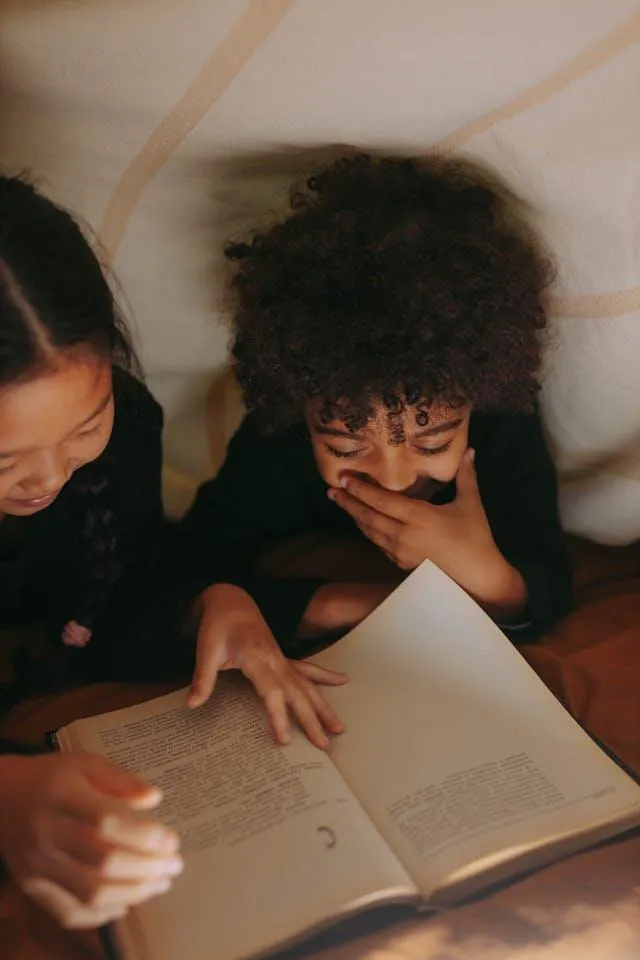
Children in the reflective reading group generated more original ideas in the standard creativity test. That flexibility helps them negotiate, compromise, and adapt socially.
Image: Yaroslav Shuraev/pexels
As parents around the globe continue to grapple with the implications of escalating screen time, a recent poll conducted by C.S. Mott Children’s Hospital has ignited a fresh wave of concern.
An overwhelming 83% of parents believe that mental health among children and teens is declining, with social media use and prolonged screen time topping their list of worries.
These statistics are more than mere numbers; they articulate the collective anxiety many bear as they strive to raise emotionally resilient children in an age dominated by digital engagement.
With technology an inescapable reality of modern life, the critical question that looms over parenting today is: how can we shield our children from a world explicitly designed to captivate and consume their attention?
In examining potential solutions, one timeless practice stands out: reading aloud to children.
Let’s dive into why reading is not just a pastime but a transformative practice, especially for today’s young minds.
The social superpower of storytelling
"Empathy isn’t just about being nice, it’s a superpower that helps children predict behaviour and navigate social situations safely," explains Dr Erin Clabough, a neuroscientist and mother of four.
Her research at the University of Virginia highlights how reading aloud fosters empathy, a skill so essential for forming meaningful friendships.
When children immerse themselves in stories, they step into the shoes of characters, experiencing emotions and situations that may be far removed from their own lives. This practice builds cognitive empathy, the ability to understand others’ perspectives, and emotional empathy, the capacity to truly feel what others feel.
Her 2026 study followed 38 families with children aged 6 to 8, a crucial period for social development and intense brain growth. For two weeks, caregivers read illustrated storybooks containing social conflict.
Half paused during key moments to ask questions like, “How would you feel if you were Nathan?” The results were striking: children in both groups improved in cognitive empathy, the ability to understand another person’s perspective, but those who paused for reflection showed even stronger gains in perspective-taking and creative thinking.
That matters because empathy isn’t just about being nice. It helps children read facial expressions, interpret tone, and predict behaviour, essential skills for navigating school friendships and avoiding conflict.
Creativity, meanwhile, strengthens self-control and problem-solving. If a child can imagine multiple solutions, they’re less likely to melt down when excluded from a game.
In other words, bedtime stories quietly train social resilience.
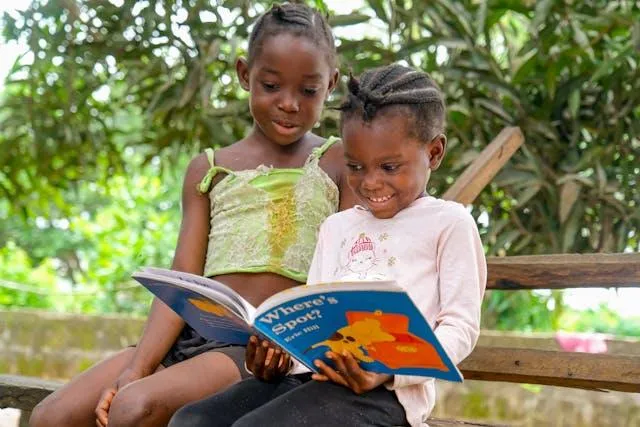
When children immerse themselves in stories, they step into the shoes of characters, experiencing emotions and situations that may be far removed from their own lives.
Image: B. Aristotlè Guweh Jr/pexels
9 Reasons reading helps kids make (and keep) friends
1. It builds empathy, the ultimate friendship skill: Clabough’s research found measurable improvements in children’s ability to understand what others think and feel after just 14 nights of shared reading.
2. It strengthens emotional regulation: Studies in developmental psychology show that children who engage with narrative fiction become better at interpreting emotional cues, helping them respond instead of react.
3. It boosts creativity and flexible thinking: Children in the reflective reading group generated more original ideas in the standard creativity test. That flexibility helps them negotiate, compromise, and adapt socially.
4. It expands vocabulary for emotional expression: As parenting advocate Mishay Bhatt notes, reading expands vocabulary. When children have words for feelings, they’re better equipped to articulate hurt instead of acting out.
5. It builds confidence and independence: As children master reading, they develop self-trust, a trait that translates into healthier peer relationships.
6. It creates one-on-one connection time: Clabough described bedtime reading as “a precious” one-on-one space. That emotional security becomes a blueprint for future attachments.
7. It normalises social conflict: Books often centre on misunderstandings, jealousy or separation. Seeing characters navigate fallouts teaches children that friendship struggles are survivable.
8. Provides natural "ice breakers": Popular book series or interesting non-fiction facts serve as excellent conversation starters. Sharing a common interest in a story helps shy or introverted children find an "anchor" to initiate interactions and bond with other kids over shared enthusiasm.
9. It helps build independence and self-confidence: As they learn that they no longer have to rely on their parents to read things to them, they develop a sense of independence. Through reading, they can begin to understand the world on their own.
Friendship, particularly for young children, can be complex and fraught with challenges. Fallouts, misunderstandings, and cliques are common, leaving many children feeling isolated. Books offer a safe space for children to explore these realities.
Stories about characters navigating social conflict, like “Library Lion” or “The Tooth Fairy Wars,” can serve as mirrors of their own experiences, helping them process emotions and develop strategies for handling similar situations.