

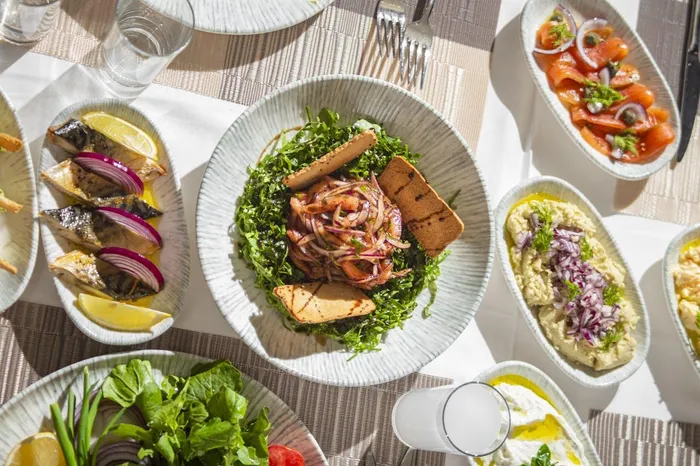
Feasting during this time is not indicative of a lack of self-discipline. It represents a profound language of survival, culture, and bonding especially during a holiday season
Image: Efe Burak Baydar /pexels
In the Southern Hemisphere, December does not arrive quietly.
It lands loud and smoky, carrying the scent of braais, the rhythm of ululation, the thud of basslines from wedding tents and street parties. It is Mgidi season in many Xhosa households, where cattle are slaughtered, families gather, elders speak, and meat simmers for hours.
It is graduation lunches, after-tears drinks, beach picnics, stokvel year-ends and last-minute celebrations because, frankly, we made it.
And yet, hovering over all this joy is a familiar anxiety: I’m eating too much.
By Boxing Day, many of us are already mentally drafting New Year’s resolutions, promising to “get back on track” as if joy has a deadline.
Modern diet culture frames holiday eating as failure. Biology, history and psychology tell a very different story.
Holiday feasting is human
In South Africa, summer is not a season of retreat. It is sociable. We cook outside. We eat together. We celebrate milestones that were postponed all year because survival came first.
Anthropologists have long demonstrated that communal feasting signifies abundance, safety, and continuity. It is how communities reaffirm belonging. In African cultures, food is rarely just fuel; it is social glue. To refuse it is often to refuse connection.
Evolutionary biology backs this up. Humans evolved under a “feast-or-famine” model, where periods of abundance were unpredictable and worth honouring. When food was available, we ate not out of lack of discipline, but wisdom. Our bodies learned to store, rest and recover.
While much of the global research focuses on winter eating in the Northern Hemisphere, studies show seasonal eating patterns still exist worldwide. A 2023 review found that food intake increases during periods of social gathering and celebration, regardless of temperature, driven by cultural rhythms as much as biology.
In short, your appetite in December is not random. It is responsive.
Why does the body relax when life finally does
After a year of load shedding, deadlines, grief, pressure and survival mode, many bodies downshift in December. Cortisol levels in our stress hormones begin to drop when routines loosen. Appetite often rises when the nervous system feels safe enough to rest.
According to research published in the Appetite Journal, stress suppression during holidays can temporarily increase hunger cues, especially for energy-dense foods. This isn’t weakness; it’s regulation.
Add communal eating into the mix, and satisfaction increases. A bevvy of research studies cement this theory that found that shared meals improve mood and emotional well-being, while enforced solo eating, common among people living alone, is linked to higher rates of depression.
The lie of the “cheat” narrative
Few things have damaged our relationship with food like the idea of the “cheat meal.” It frames pleasure as transgression, indulgence as something that must be earned or paid for later.
A 2025 review on diet cycling found that rigid food rules followed by planned “cheats” are linked to binge-restrict patterns and long-term dissatisfaction with eating. What feels like freedom often reinforces control.
Dieticians have long argued that wellness culture repackages restriction as virtue. When food becomes something to justify, we lose its emotional and cultural meaning.
Ancient societies understood feasting as resilience. Modern diet culture isolates it, monetises guilt, then sells us the solution in January.

Modern diet culture has tainted our perspective on holiday eating, framing festive indulgence as a failure rather than a human experience.
Image: Pexels
Grief, joy and the plate in front of you
December is not universally joyful. For many, it holds grief, absence and reminders of what didn’t go as planned. Food becomes a bridge to memory, to warmth, to sensation.
The problem isn’t comfort eating; it’s shame eating. Shame disconnects us from our bodies. Compassion restores choice.
This is where reframing matters.
Instead of asking, Why am I eating so much? Try asking, What am I nourishing right now?
Practical ways to honour the season without punishment