

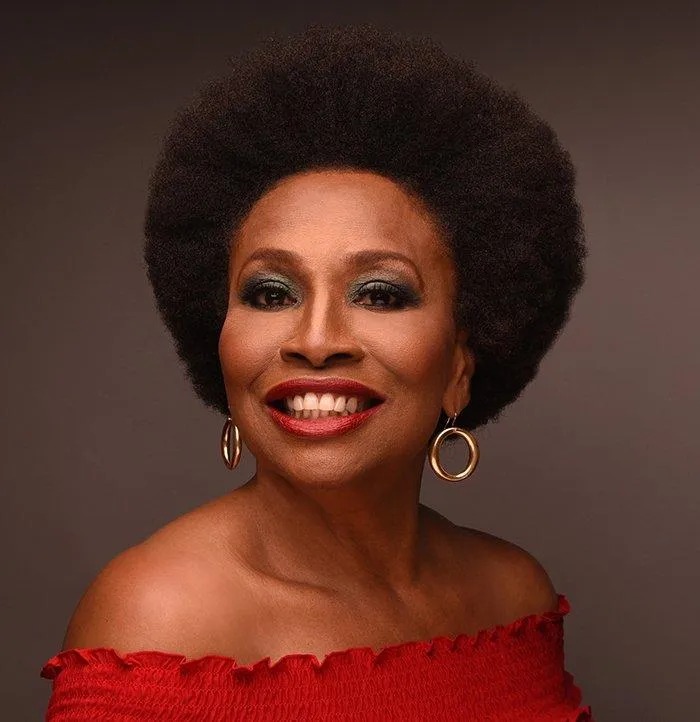
Jenifer Lewis reflects on how living with bipolar disorder since 1990 shaped her life and career.
Image: Picture: X/@NexusPointNews
Jenifer Lewis has never been one to whisper her truth.
The woman famously known as Hollywood’s no-nonsense aunty, with a voice that cuts through nonsense like a hot knife through butter, is telling her story, this time about bipolar disorder, the diagnosis that arrived in her life back in 1990 and, in her words, helped shape everything that followed.
Now 68, the "Black-ish" star opened up on the "IMO" podcast with Michelle Obama, where she said: “The mania made me.”
It’s a bold statement, but then again, Lewis has never been interested in soft edges.
Bipolar disorder is often discussed in hushed, fearful tones, mood swings, manic highs, depressive lows, instability. Lewis doesn’t deny any of that. Instead, she offers something rarer: honesty about how the good and the bad are tightly intertwined.
The condition has cost her, yes, but it has also fueled a kind of fearless belief that many performers spend a lifetime trying to manufacture.
Lewis credits her bipolar disorder for giving her what she calls the “delusion” to do whatever she wanted. As a teenager, that meant becoming captain of the cheerleading squad and president of her class.
Later, in New York, chasing an acting career with nothing but talent and audacity, it meant walking through life convinced she belonged exactly where she stood.
“I didn’t look at the callboard to see if I had been cast,” she said. “I knew I had been cast.”
Psychologists describe this behaviour as a classic feature of manic episodes: inflated self-confidence, grandiosity and a heightened sense of purpose.
Research shows that during mania, individuals often experience reduced self-doubt, increased energy and an almost unshakeable belief in their abilities.
In creative industries, that can look like charisma, leadership and boldness until it tips into something more dangerous.
Lewis recalls feeling “bigger” than New York itself. She would take visitors to the World Trade Center, stand beneath the towering buildings, and compare herself to their magnitude.
“The arrogance, the omnipotence, the delusions of grandeur came with the mania,” she said. “You’re unstoppable.”
That word unstoppable cuts both ways. Lewis has never glamorised the illness, but she refuses to erase the role it played in her rise.
Her story doesn’t romanticise bipolar disorder; it humanises it. And in doing so, she reminds people that mental health narratives can hold contradiction, strength and struggle, brilliance and breakdown, all at once.