
Lifestyle Health

Feel the burn (but not the good kind): how to fix chronic heartburn

Vuyile Madwantsi|Published

Foods that contain peppers and hot sauces may directly irritate the oesophagus and stimulate acid production.

Image: Nadin Sh /Pixabay

Heartburn has quietly become one of those everyday health complaints many women brush off right up until it starts showing up after every coffee, late dinner, or glass of wine. What once felt like an occasional nuisance is now, for many, a recurring lifestyle disruption.

And according to medical experts, that shift from occasional to constant is where the real concern begins.

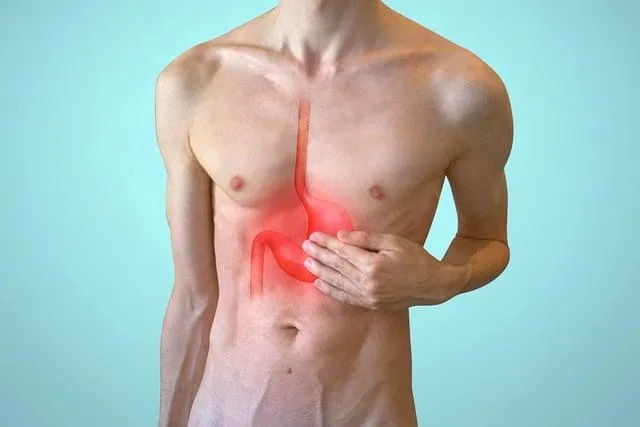
At its core, heartburn is not a disease; it’s a symptom, often linked to acid reflux, a condition where stomach acid flows backwards into the oesophagus. That familiar burning sensation in the chest or throat is the body’s way of signalling that something deeper may be happening.

And if it’s happening often, it’s worth paying attention. “Acid reflux occurs when gastric contents like acid, bile, or pepsin flow back into the oesophagus," Dr Vikram Tarugu, a gastroenterologist specialising in oesophageal health, told "Goop".

“Unlike the stomach, the oesophagus lacks a protective mucosal lining, so when this happens, it produces the burning sensation we call heartburn.”

For many women, this experience arrives during life transitions that affect hormones, routines, and stress. Persistent heartburn is a lifestyle health issue, not just a medical one.

Why is heartburn becoming more common, especially for women

If you’ve noticed heartburn creeping into your daily life, you’re not imagining it. Hormones play a powerful role, particularly during pregnancy, menstruation, perimenopause, and menopause.

Research supports this trend. A study published in BMC Gastroenterology found that 12.5% of pregnant women experienced weekly heartburn in the first trimester, rising to 21.5% in the second trimester and 35.3% in the third trimester, compared to 1.6% of non-pregnant women.

But pregnancy is only part of the picture. Perimenopause and menopause, with their shifting oestrogen and progesterone levels, can also make reflux symptoms more noticeable.

During perimenopause and menopause, changes in progesterone and oestrogen can change the sensitivity and motility in the oesophagus. That makes reflux symptoms feel stronger and more frequent.

Lifestyle factors contributing to heartburn

Identifying the specific triggers for heartburn can be a personalised journey, yet they generally fall into three overarching categories: dietary, lifestyle, and medical and mechanical factors.
Persistent heartburn is increasingly seen not only as a medical issue but also as a lifestyle health concern.

Image: Robystarm /Pixabay

Common dietary triggers

  • High-fat and fried foods: Items like pizza, burgers, and chips can remain in the stomach longer due to difficult digestion, elevating the risk of backflow.
  • Spicy foods: Foods that contain peppers and hot sauces may directly irritate the oesophagus and stimulate acid production.
  • Citrus and tomatoes: High acidity in orange juice and tomato-based products can aggravate the stomach lining.
  • Caffeine and alcohol: Beverages such as coffee and wine can relax the lower oesophageal sphincter (LES), allowing acid to escape.
  • Chocolate: This beloved treat contains methylxanthine, a compound recognised for relaxing the smooth muscle of the LES.
  • Peppermint: Though often touted for digestion, peppermint can relax the LES and trigger reflux in some individuals.

Lifestyle and mechanical triggers

  • Eating before bed: Lying flat within three hours after a meal can facilitate acid spillage into the oesophagus.
  • Large meals: Overfilling the stomach applies excessive pressure on the LES, causing it to open.
  • Smoking: Nicotine relaxes the LES and diminishes saliva production, which helps neutralise acid.
  • Tight clothing: Garments that constrict the waist can physically squeeze the stomach, increasing acid reflux.

Medical factors and medications

Sometimes, heartburn triggers are not merely lifestyle choices but physiological states or medications that necessitate awareness and management.

Immediate relief and long-term adjustments

  • If you find yourself experiencing discomfort, consider these immediate remedies:
  • Stand up or sit tall: straightening your posture lessens pressure on your stomach, giving gravity a helping hand.
  • The left-side lean: If in bed, sleeping on your left side can keep the oesophageal junction above the level of gastric acid.
  • Baking soda rinse: A ½ teaspoon of baking soda in a glass of water can work as a natural antacid.
  • Chew gum: This stimulates saliva production, which is slightly alkaline and helpful in neutralising acid.
  • Loosen your belt: Relieve any external pressure by unbuttoning tight clothing.

For those looking to prevent heartburn long-term, implement these lifestyle adjustments:

  • The "three-hour rule": Finish eating at least three hours before lying down.
  • Elevate the head of your bed: Use a wedge pillow to keep acid where it belongs.
  • Eat smaller, more frequent meals: Transitioning from three large meals to five smaller ones can reduce stomach pressure.
  • Weight management: Maintaining a healthy weight can ease the pressure on the LES and stomach.