SA should adopt US methods - medic
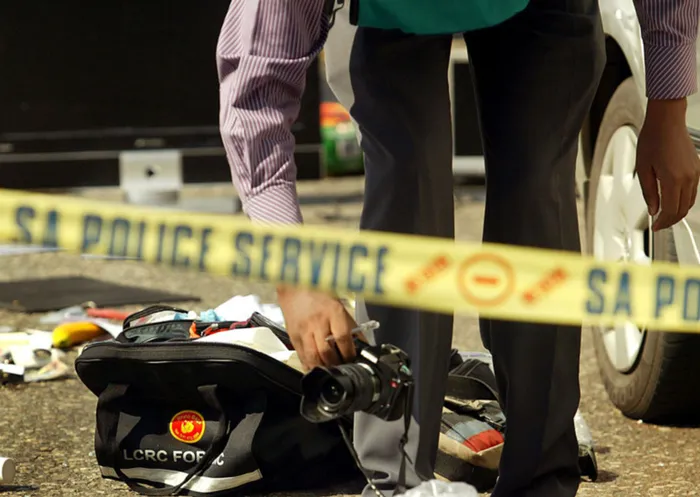
902 A crime scene expert takes pictures of the scene on 7th street in Linden where 3 men tried to hijack a woman after a chase with the police that started in Robindale. 190208. Picture: Bongiwe Mchunu 902 A crime scene expert takes pictures of the scene on 7th street in Linden where 3 men tried to hijack a woman after a chase with the police that started in Robindale. 190208. Picture: Bongiwe Mchunu
Cape Town - The chief medical examiner for the state of Maryland, US, says the method of forensic medical investigation in South Africa needs to be changed.
David Fowler, a UCT graduate, said he believed South Africa needed to change the model where the magistrate determined the manner of death. He believed this should be up to the medical examiner.
Fowler was speaking after a discussion panel on forensic investigations, hosted at UCT on Friday.
“There is a model out there that works and it is possible to make the system more accurate and less costly,” said Fowler, who has been in the US since 1991.
“Magistrates are extremely competent people, but not in medical matters. Deaths should be medically determined.”
Fowler believed South Africa had the capacity to follow the US system, where medical experts determined the cause and manner of death.
“South Africa has about 40 highly trained specialised individuals.”
A country was judged on the way it treat its citizens. Keeping people waiting for months was “not an appropriate way to treat citizens”.
“We (in the US) do solve cases a lot faster than (the South African system),” Fowler said.
Lorna Martin, professor of forensic pathology at UCT, said she agreed South Africa needed to move away from the inquest system.
She was “an advocate for the US’s medical examiner system”, but there were not enough experts in the country to implement it.
“We may have (enough experts) in the Western Cape, but we only have about 40 registered forensic pathology specialists in the country, 10 of whom are in Cape Town.
“We have the ability to achieve it (changing the system), but it would be a matter of resources.”
Martin said six medical schools offered forensic pathology as a specialisation.
Planning was under way to build an academic mortuary to replace that in Salt River, she said.
It was hoped it would be opened by 2016.
Cadet News Agency
Cape Times
* If you use Gmail to read IOL's newsletters, note that Google is rolling out a new tabbed inbox that filters your mail into 5 separate tabs - Primary, Social, Promotions, Updates and Forums. IOL emails will probably be sent to the “Promotions” tab instead of the “Primary” tab. If you don't want it that way, drag the newsletter from the Promotions tab to the Primary tab. An alert will pop up. Click “yes” and your newsletters will continue to go to your Primary inbox.