KZN dam levels on a steady decline
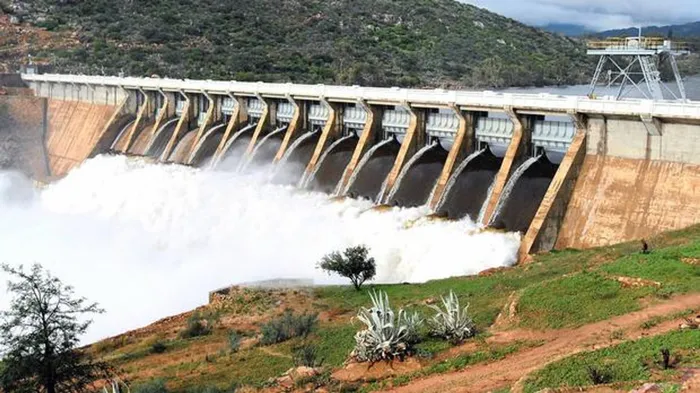
A report by the Department of Water and Sanitation has revealed that KwaZulu-Natal dam levels have shown a marginal decline from last week’s 58.5% to this week’s 58.0%.
Durban - A report by the Department of Water and Sanitation has revealed that KwaZulu-Natal dam levels have shown a marginal decline from last week’s 58.5% to this week’s 58.0%.
The report showed that the province’s dam levels were above average last year at 59.5% when compared to the same period.
The Albert Falls dam, one of the biggest dams in the province, is at a low 37,0% capacity from 37,8% last week. This time last year, the dam recorded 42,4%.
Meanwhile, the Hazelmere Dam on the Mdloti River is at 47,9% this week from 49,1% in the previous week.
The Pongolapoort Dam in Northern KwaZulu-Natal has this week recorded 41,6% from last week’s 41,9%. In a similar period last year, the Dam recorded 44,3%.
Near Eshowe, the Goedertrouw Dam is at 53,1% this week from last week’s 53,4%. It was slightly lower this time last year when it stood at 44,7%.
However, some dams in the province have recorded an above average capacity such as the Midmar Dam which is at 95,3% from 95,8% last week.
The Inanda and Nagle Dams are at 82,5% and 77,9%% respectively. When compared to the previous week, they stood at 83,3%% and 77,1%.
The department said they have noted a weekly decline and has called on residents to continue their efforts of using water sparingly.
Spokesperson Sputnik Ratau said the department through its Water and Sanitation National Command Centre (NCC) is distributing health and hygiene materials for residents to substitute water use, as a means to curb the spread of Covid-19.
“We have in the previous week delivered close to 5 000 hand sanitizers, 1 100 face masks and 2 300 gem protection bar soaps to various municipalities for further distribution to members of the community,” Ratau said.
“We acknowledge that the spread of Covid-19 has increased water use in many households. The distribution of hygiene material is our way of assisting those in need and to increase efforts to use water prudently.”
Meanwhile, the department said rising spring temperatures are causing the country’s dam levels to continue to drop week-on-week, and the trend is expected to continue until the first summer rains come down at the end of October this year. Since the beginning of August, temperatures have soared to an average 23 degrees Celsius in most provinces, causing water reservoirs to drop by a percentage due to evaporation.
Daily News