

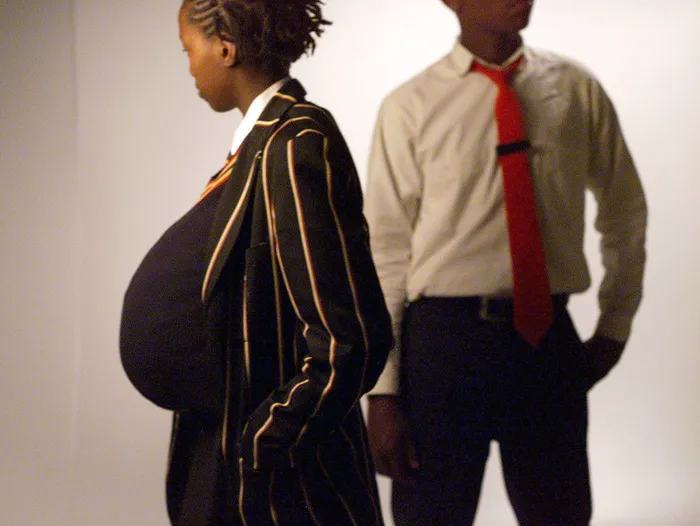
The Department of Basic Education intends to reduce pregnancy in schools through its Prevention and Management of Learner Pregnancy in schools policy. Picture: Lebohang Mashiloane
DURBAN - THE policy on the prevention and management of pupil pregnancy in schools, gazetted by the Department of Basic Education, is due to be implemented soon. Although the unions support it, there has been concern that it will overwhelm the teachers.
The policy mandates schools to report all underage pregnancies to the police.
National Teachers’ Union secretary-general Cynthia Barnes said primary emphasis should be placed on parents and guardians to ensure they reported pregnancies and co-operated with schools.
The National Professional Teachers Organisation of SA executive director Basil Manuel was recently quoted in the media saying the organisation supported the policy but was more concerned with its implementation and difficulties that would come with it.
Basic Education spokesperson Elijah Mhlanga advised that people read the policy before reacting.
The goal of the policy is to reduce the incidence of pupil pregnancy in schools through the provision of quality comprehensive sexuality education and access to adolescent and youth-friendly sexual and reproductive health services.
The application of the policy aims to ensure the realisation of the rights of all pregnant pupils, to protect their dignity, privacy and confidentiality regarding their pregnancy and related health matters.
According to the policy, schools are to ensure the retention of pregnant pupils during the course of their pregnancy and pupils may return to school after giving birth.
The DBE also stated it would ensure partnerships with key social sector stakeholders protect, support and advance the interests of pregnant pupils.
The school governing bodies, the social sector and other stakeholders are expected to comply with and support the aims of the policy and its implementation.
Guidelines
The school will accommodate the pregnant pupil by upholding the right of the pupil to education and providing access to care, counselling and support through the Integrated School Health Policy.
Attention will also be paid to the identity and rights of the biological father involved, whether he is a pupil, educator or a person outside the basic education system.
On confirmation of the biological father’s identity, if he is a pupil, he should be counselled and guided to assume and sustain his rights and responsibilities.
If, however, he is an educator or other member of the staff within the basic education system, he should be suspended and subjected to disciplinary and legal procedures.
If the biological father is a person outside the basic education system, he too should be subjected to judicial enquiry and action if there is a case to answer on the grounds of coercion, sexual violence and assault or statutory rape.
The procedures must be consistent with the protocol for the management and reporting of sexual abuse and harassment in schools.
In certain cases, information relating to a pregnant pupil may give rise to mandatory or voluntary reporting by the educator appointed by the school to provide counselling, support and advice.
Specifically, if the pregnant pupil is under the age of 16, this would require mandatory reporting to the SAPS and entails civil and criminal proceedings against the male partner if he is over the age of 16.
Statistics by the Department of Health showed that in the past four years, 14 176 girls aged between 10 and 14 fell pregnant.
Daily News