


Rethabile Ramaphakela, is among the leading ladies in KZN's film industry
Image: Supplied
In the hills of Greytown, along Durban’s iconic beachfront, in the rural quiet of Mtwalume and the creative pulse of KwaMashu, a new kind of story is being told.
Not just on-screen, but off - in production meetings, funding boards, writing rooms, and post-production houses. It is the story of women in KwaZulu-Natal’s film and television industry, who are not only reshaping narratives but reclaiming the space to tell them.
And because July is "Film Month" in the province, these stories will resonate even louder. At the centre of this movement are a group of directors and producers - diverse in their styles and voices, but united by a shared purpose: to create work that reflects their communities, challenges industry bias, and expands the scope of what it means to be a filmmaker in South Africa today.
This is more than representation. It’s revolution.
More Than Just a Seat at the Table
Rethabile Ramaphakela, producer and director of Disaster Holiday, expressed her gratitude following the film’s four nominations at the upcoming Simon Mabhunu Sabela Awards on July 19 - including Best Pan African Film, Best Feature Film, Best Use of KZN as a Filming Location, and Best Production Design.
Ramaphakela said she was particularly honoured that the film was recognised with a Black female director at the helm.
"Making films is difficult so getting nominated is always a great honor. This nomination is a testament to the dedication and hard work of our team, and I can’t wait to be in the room with all the other nominees to celebrate," she said.
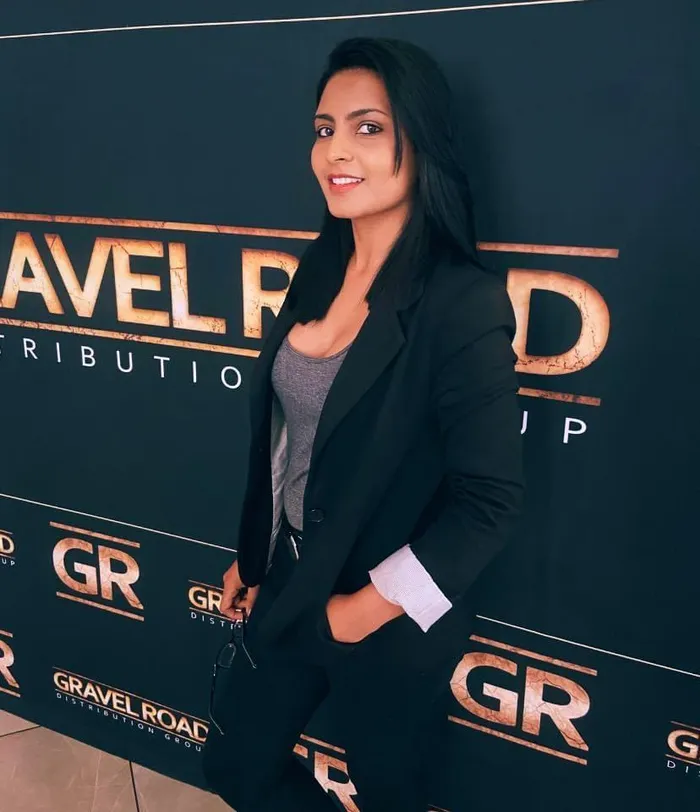
Lisa-Marie Pyanee
Image: Supplied
Lisa-Marie Pyanee is the debut producer behind Cotton Dreams, a poignant feature that blends fashion, family and cultural identity in Durban’s Indian community. The film, developed through KwaZulu-Natal Tourism and Film’s Made for TV programme, hired 37 crew, 30 cast members, 70 extras, and spotlighted the work of local designers and musicians.
It is another nominee at the SSA.
“As an emerging producer, having an institution believe in my vision gave me the push I needed. It wasn’t just about the financial support, though that was crucial, it was also about the access to resources, mentorship, and the credibility that comes with being part of a KZNTAFA-supported project.
"It gave me the foundation to take this story from an idea to a completed film that’s now streaming globally," said Pyanee.
Indeed, Cotton Dreams was now streaming on Prime Video in the United States and United Kingdom - a monumental leap for a first-time producer from Durban. Yet, Pyanee’s greatest pride was not the distribution deal, but the careers launched.
“Through Cotton Dreams and future projects, I aim to create opportunities for emerging filmmakers by providing hands-on experience, mentorship, and access to industry resources,” said Pyanee.
KZN as Character, Not Backdrop
The international success of Disaster Holiday, which was now streaming on Netflix - a comedy set in KZN - underscores the power of place in storytelling. Again another SSA nominee.
Rethabile said: ‘’Disaster Holiday showcases KZN as more than just a location, it’s a character in the film. From the road trip from Jozi into KZN, to the chaos unfolding in Durban’s bustling beachfront as well as the scenery we saw in rural areas of Mtwalume, every setting adds something unique to the story.
‘’We shot scenes in iconic spots like uShaka Marine World and along the North Coast, capturing both the postcard beauty and the everyday messiness of a real South African family holiday. We even showcased iconic hotels like the Suncoast Hotel and Towers.
‘’The landscape, the people, the energy, it all gave the film texture, humour, and heart.’’
Beyond aesthetics, the production hired locals - extras, stand-ins, catering, transport, accommodation - with a deliberate strategy of inclusion.
From Rural Roots to Global Recognition
Director, writer and executive producer and 2025 SSA nominee Ayanda Halimana understands this power of place intimately. Her award-nominated short Sent, centres rural life in KwaZulu-Natal, told through a lens of warmth and dignity.
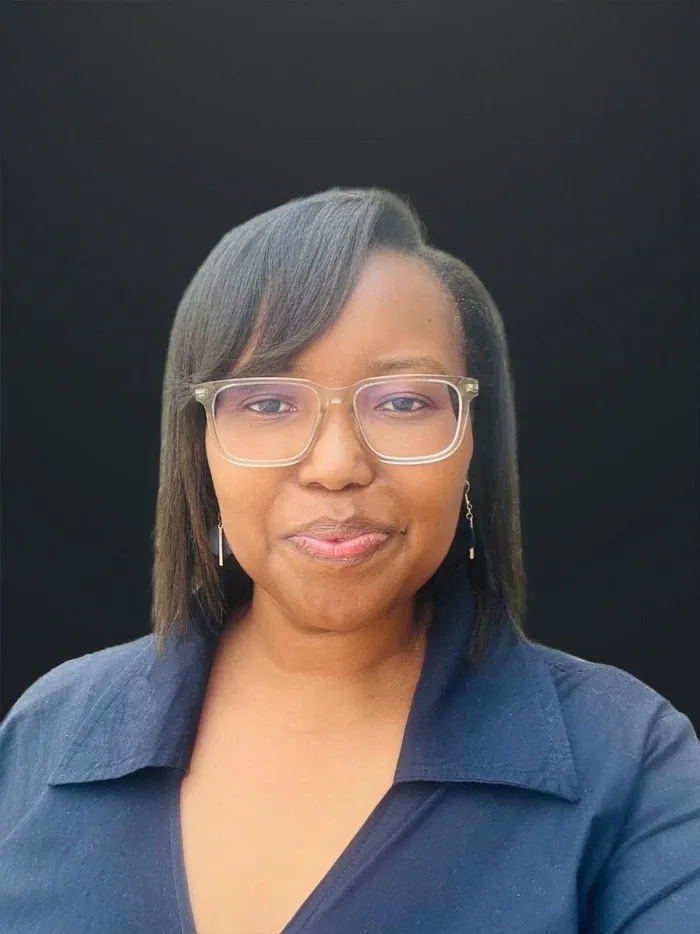
Ayanda Halimana
Image: Supplied
"The film shows KZN’s unique landscape and the rural lifestyle. I was intentional about showing that part of the world not through the poverty-stricken lens, and shoving suffering but to reflect a beautiful life, an experience for the viewer which is honest and heartwarming.’’
"The production, supported by KZNTAFA, hired an all-KZN cast and crew, and shot entirely in the province.
“Without that funding, I would have had to change parts of the story,” said Halimana.
“It would not be the film I dreamed of making,” she said.
Today, Sent is screening internationally and being licensed for distribution. But for Halimana, the work doesn’t end with the final edit. She continues to run workshops and masterclasses across the province.
“We must retain our talent. We can’t afford to lose our voices.”

Jacintha Den Obrega
Image: Supplied
The Business of Belonging
For Jacintha Den Obrega, co-director of Lottery Love, representation goes beyond the camera - it’s about systems.
"It is an honour to be recognised in the province where I reside. It is rare that recognition comes from your own people and city, this is invaluable for a filmmaker.’’
Her film - told 90% in isiZulu, set in KwaMashu - is a high-energy township romantic comedy that’s been making waves globally.
“We opened the KwaMashu Film Festival. Our world premiere was in London at the London International Pan African Film Festival where the film won for Best Director and recently at the Hollywood African Cinema Connection where the film won Best Feature.”
Sent is also a nominee at the SSA.
Den Obrega’s sets are also known for launching careers.
“We work with KZN talent, crew and suppliers on every production. With crew I tend to work with the same people some who started their careers with me.’’
Institutional Support or Industry Shift?
If these filmmakers were the heartbeat of this creative surge, the KwaZulu-Natal Film and Tourism Authority (KZNTAFA) is the artery - ensuring oxygen and infrastructure reach the right places. Sibusiso Gumbi, Interim CEO of KZNTAFA, says the authority’s investment strategy was rooted in more than output.
“We’re not just supporting films. We’re investing in people. In perspectives. In parity,” he says.“
Gender equity in film isn’t optional. It’s essential. The women leading these projects are not exceptions - they are the blueprint for the kind of creative economy we’re building.
"From funding feature films and short-form storytelling to facilitating crew training and post-production labs, KZNTAFA is actively investing in emerging talent - particularly women - to ensure long-term sustainability.
But challenges remain.

Rani Sitaram
Image: Supplied
The Cost of Being First
Even with support, the journey is rarely smooth. Funding delays, post-production gaps, and distribution hurdles test even the most seasoned creators. Rani Sitaram, the producer behind Greytown Girl, knows this intimately.
Her film, based on a true story and set in the KZN Midlands, has swept awards at Cannes, LA, and the Nelson Mandela Children’s Film Festival, and may again because she is a nominee at the SSA.
Yet she credits her success to foresight and structure: “The support from KZNTAFA was not only financial, but also a support team from KZNTAFA was created around me.
As an independent producer this amazing ‘holding space’ allowed me to discuss and eliminate possible challenges. The structure of financial and production support from well-versed industry experts at KZTAFA created a powerhouse that produced a remarkable film our Province and Country can be proud to showcase.”
Sitaram’s company, East Coast Media, runs a training academy that upskills local crew - including young filmmakers with disabilities.
“We’re not just delivering content. We’re creating an ecosystem - one that outlives the project.”
Beyond the Credits
In a world where cinema still leans heavily toward male-dominated narratives, these women from KwaZulu-Natal are creating an alternate canon - one built on visibility, collaboration, and deep cultural insight.
They are producers and teachers. Directors and cultural historians. Mentors and warriors of story. And most importantly, they are evidence that when women lead, entire industries rise.
DAILY NEWS