FlySafair flight cancellations plunge South African air travel into chaos
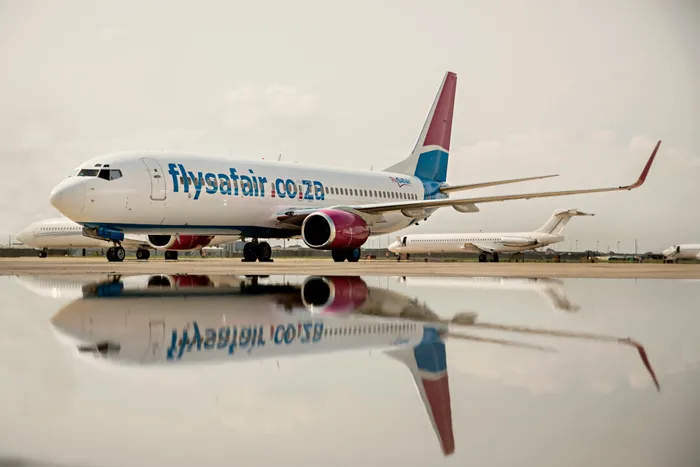
FlySafair's pilots down tools, which leaves a number of passengers stranded, due to cancelled flights
Image: Picture: supplied
South Africa's domestic air travel has been thrown into disarray following the abrupt cancellation of several flights by FlySafair, one of the country's leading low-cost airlines.
This disruption stems from a breakdown in wage negotiations, prompting pilots to down tools, leaving many passengers stranded at airports across the nation.
On Monday, FlySafair confirmed the cancellations, which affected flights that were initially staffed by pilots who later communicated their decision not to operate.
However, the airline assured current operations would remain unaffected and indicated that all customers impacted by the flight cancellations had been informed directly using contact details provided during booking.
"Should there be further disruptions, customers will be notified promptly," the airline stated in a recent communication.
The turmoil unfolding within FlySafair is underscored by a significant discontent among its pilots, represented by the union Solidarity.
Recent polling commissioned by the union revealed that nearly two-thirds of pilots feel unsatisfied with the ongoing salary negotiations and overall working conditions.
It has emerged that 84% of Solidarity members rejected FlySafair’s latest proposal, illuminating the deep-seated frustration and disappointment among the flight crew.
“The pilots feel exhausted, ignored and unappreciated,” said Helgard Cronjé, deputy general secretary at Solidarity, highlighting the escalating sense of neglect and burnout reported by the union members.
In defence of its compensation packages, FlySafair asserts that their pilots are among the highest-paid aviation professionals in South Africa, with company captains reportedly earning between R1.8 and R2.3 million annually.
Yet, Solidarity counters this claim by demanding a 10.5% increase in base salaries, in addition to flight pay and bonuses.
While FlySafair acknowledges the demands, they argue that the total impact would culminate in over a 20% increase in operational costs, a figure they deem unsustainable for any airline.
Further illustrating their operational management, FlySafair reported that its captains logged an average of 63 hours in the cockpit last month, well within regulatory limits imposed by the Civil Aviation Authority, IATA, and ICAO, which cap flight duty at 100 hours per month.
This claim adds another layer of complexity to the ongoing negotiations as the airline strives to maintain operational stability while addressing leader and pilot grievances.
DAILY NEWS