

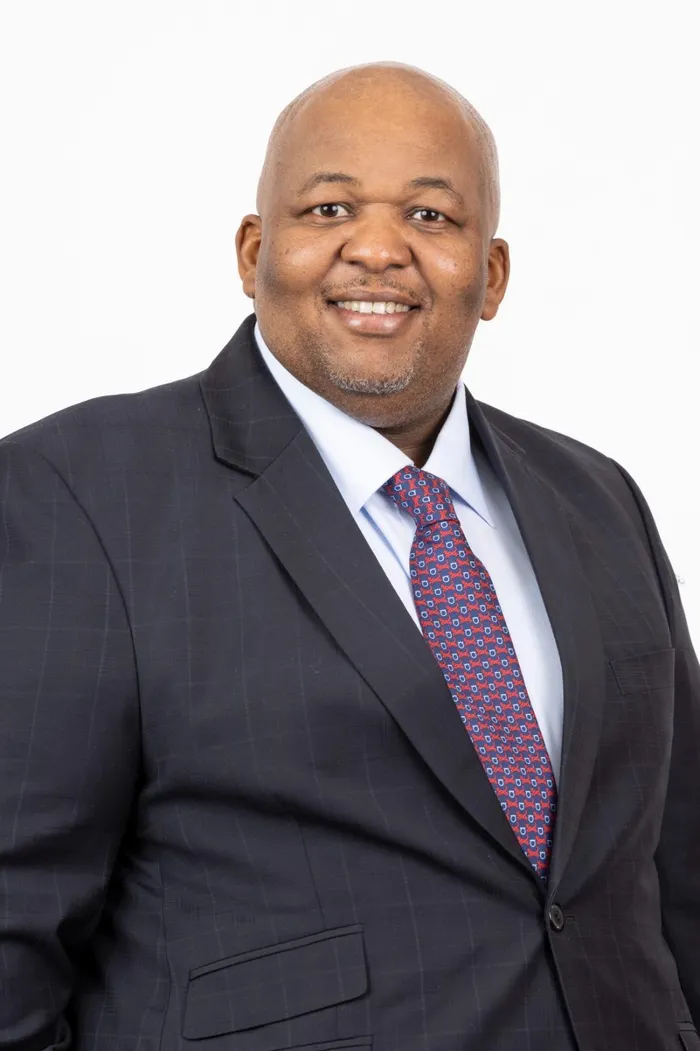
Eskom's ambitious plan to invest over R320 billion in infrastructure faces scrutiny as experts warn it may not be sufficient. In Picture: Eskom's Chief Executive, Dan Marokane.
Image: Supplied
As Eskom embarks on an ambitious plan to invest over R320 billion in expanding its infrastructure, experts are raising concerns that this figure might fall short of what is necessary to tackle South Africa's pressing energy challenges.
The utility's Chief Executive, Dan Marokane, recently announced the reinvestment of profits back into national assets, marking a significant shift for the beleaguered power utility.
This newfound profitability, reported for the first time in eight years with a pre-tax profit of R23.9 billion, is prompting discussions on the sustainability of Eskom's long-term goals.
However, energy expert Chris Yelland warns that the road ahead is filled with hurdles.
“The utility’s top three projects require substantial amounts to be realised,” he stated, emphasising the staggering cost of building the Transmission Infrastructure Group, which he estimates might exceed R500 billion.
Yelland highlighted that private partnerships will be essential for Eskom to attract the necessary funding, indicating a potential reliance on private investment to generate the capital needed.
He also questioned the feasibility of funding one of Eskom's green energy plants, stressing that the Treasury has already indicated it will no longer provide financial backing to the utility.
This looming uncertainty casts a shadow over Eskom's ambitious investment plans, especially in light of past financial troubles where, just a year prior, the entity faced a net loss of R12.3 billion against an overwhelming debt of over R300 billion.
President Cyril Ramaphosa highlighted the importance of partnerships in Eskom's recovery, noting that collaboration across various government departments, along with the efforts of the National Electricity Crisis Committee (NECOM), has contributed to the improvement of the utility's financial standing.
According to Ramaphosa, the significant recovery in Eskom’s operational performance is a testament to the value of a coordinated approach.
He stated, “Eskom is turning the corner,” highlighting the strategic measures initiated under the National Energy Action Plan launched in 2022.
To address the energy crisis while expanding the transmission infrastructure, Eskom has launched a pre-qualification tender process aimed at attracting private sector investors to its Independent Transmission Projects (ITPs).
This initiative is perceived as a key step towards modernising South Africa's national grid and accelerating the transition to renewable energy sources.
The pre qualification process invites potential investors to express interest in funding the construction of new transmission lines and associated infrastructure, hoping to unlock substantial private capital while enhancing grid capacity and reliability.
Marokane hailed this development as a “significant milestone” for the country’s pursuit of a low-carbon energy future.
He credited the progress to the engaged leadership from the Minister of Electricity and the National Treasury's Director General.
Moreover, he assures that a transparent policy framework is in place to boost investor confidence through predictable governance and structured competitive bidding.