

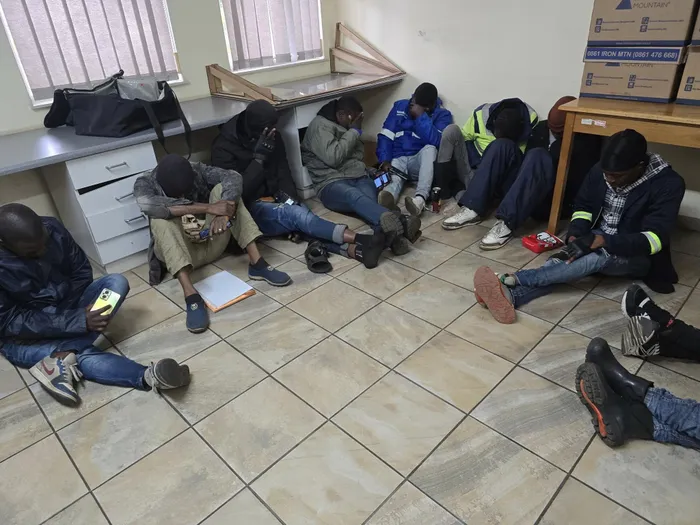
Discover how the NenzaniLaEzweni Operation in KwaZulu-Natal is addressing road safety and uncovering illegal practices in the trucking industry, leading to significant arrests and reforms.
Image: Supplied
The NenzaniLaEzweni Operation in KwaZulu-Natal has successfully halted potential instances of road carnage, which led to a significant number of arrests that uncovered certain practices within the trucking industry.
This was according to KZN's transport MEC, Siboniso Duma, who has expressed satisfaction with the outcomes of the operation that involved the stopping of more than 98 trucks and interviewing 47 truck drivers in recent days.
Among those detained was a Zimbabwean truck driver, who was arrested for driving under the influence of alcohol.
Authorities noted the imminent danger he posed in terms of causing horrific accidents that could have resulted in fatalities.
In addition to the drunk driving arrest, five undocumented foreign nationals were apprehended for violating immigration laws and presenting fraudulent documents. One of the individuals, a Zimbabwean truck driver, was specifically charged with illegally transporting tourists from England and other European nations without the necessary permits.
The ongoing operation, which also involved thorough inspections of a bus from Zimbabwe that was transporting foreign nationals, has highlighted the need for increased scrutiny in the logistics and freight industry.
The collaborative effort saw involvement from various units, including the Road Traffic Inspectorate (RTI), the South African Police Services (SAPS) Dog Unit, and the Department of Home Affairs’ Immigration Unit.
MEC Duma stated, “We are determined to clean our road networks as part of creating a safe and secure KwaZulu-Natal for the citizens.
While we are encouraged that our operation was yielding positive results, it has unveiled exploitative practices, financial fraud, and human rights violations occurring within certain sectors of this industry.”
Interviews with truck drivers brought to the fore conditions that reflected systemic issues within the industry, including the lack of written agreements between truck drivers and trucking companies. KZN truck drivers who insist on formal contracts were often replaced by foreign nationals.
Bribes were reportedly exchanged between trucking companies and foreign drivers to bypass regulations and avoid detection. Truck drivers do not receive payslips, endure unlawful deductions, and face excessively long working hours that were in breach of the Basic Conditions of Employment Act.
There were no overtime payments, rest periods, or leave days provided. Drivers were paid per load, lacking a guaranteed basic salary, resulting in additional deprivation on Sundays and public holidays.
In response to the urgent need for accountability, MEC Duma has mandated the RTI to target truck company owners implicated in illegal and unsafe practices.
Duma asserted, “Honest players in the logistics and freight industry must stand up and join hands with us to protect the sector from being destroyed by rogue elements.
"There is hope that the ongoing investigations, facilitated by strengthened partnerships with essential organisations such as the SAPS K9 Dog Unit, the Department of Home Affairs Immigration Unit, Umsunduzi Municipality Traffic, the Department of Labour and Employment, the Cross Border Road Transport Agency, and the ADTF ASA (Truck Drivers’ Union), will lead not only to further arrests but also to the eventual reform of the industry."
DAILY NEWS