

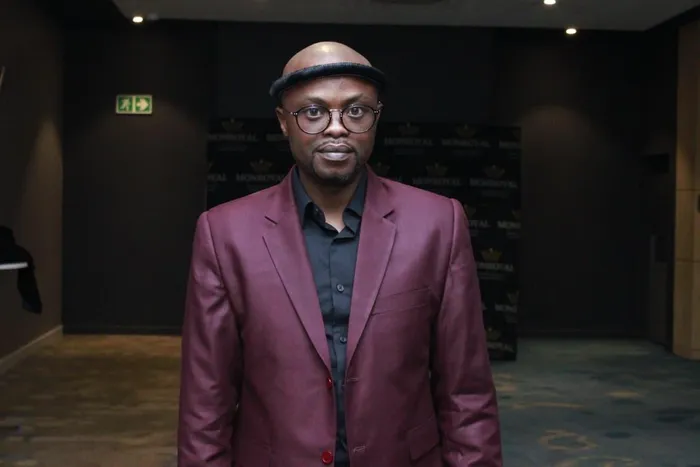
Prince Phumlani KaMfeka, chairperson of MonRoyal urged Business figures to invest in areas governed by traditional leaders
Image: Siboniso Ngcobo
Business figures were urged to invest in areas governed by traditional kings during the Royal Gala Dinner of BuKhosi (royalty) and Business, held at the Radisson Blu Hotel this past weekend.
Prince Phumlani KaMfeka, chairperson of MONROYAL, delivered his address, emphasising the role traditional leaders play in cultivating economic growth and preserving cultural heritage.
The MONROYAL was established by the nation’s traditional leaders as a platform to address sensitive issues faced by their communities.
KaMfeka articulated the importance of collaboration between the kings (AmaKhosi) and the business community, which highlighted their collective influence as the “heartbeat of sustainable growth.”
In discussing the need for a united front, he stated, “It’s very important that AmaKhosi, business people, and policymakers get together to discuss issues of national interest.
"Each of these pillars faces unique dynamics that must be addressed collaboratively.”
In highlighting recent progress in mining projects across traditional land in Limpopo, KaMfeka noted that discussions initiated between business leaders and traditional authorities have begun to attract investment to previously stagnant projects.
“After our meetings with business leaders in Sikhukhune, we are beginning to see interest from capital to fund various mining projects,” he explained.
Chief Luthuli, representing the Luthuli clan, echoed KaMfeka's sentiments. He said there was need for monarchs to convene more frequently to strengthen relationships and foster a sense of community.
“We must not just meet, but also devise strategies to uplift our communities,” he urged, and cited that rampant poverty and unemployment affected locals, which was a primary concern.
As the guest speaker, Minister of Land Mzwandile Nyoso highlighted the foundational role of approximately 16.5 million individuals living in South Africa's former homelands.
He emphasised that these communities, functioning under communal land tenure systems, were pivotal to the nation’s cultural identity and economic potential.
“Unlocking the economic viability of these regions is a pressing challenge that tests our country’s democratic promise,” Nyoso stated.
In addressing the longstanding issues of underdevelopment and neglect in rural areas, Nyoso called for a reshaping of narratives that interweave traditional leaders into the country’s economic framework.
“The institution of traditional leadership is neither a relic of the past nor an obstacle,” he asserted, but rather a vital social structure that commands loyalty and guides the lives of millions.
Nyoso asserted the necessity of turning traditional leaders into partners in development rather than adversaries of government policy, and urged for a shifting towards equitable economic benefit sharing from communal resources.
This was viewed as a move that could strengthen ties between traditional leadership and government, enhancing cooperative growth.
He acknowledged the complexities surrounding communal land ownership, and emphasised that the current legal structures, including the Interim Protection of Informal Land Rights Act, failed to promote the necessary economic growth.
“Much of this land remains ‘dead capital,’ a resource waiting for meaningful investment,” Nyoso said and called for active engagement with traditional leadership to develop practical initiatives that supported local communities.
He also warned of the rising threat of exploitation of communal land under the guise of development, which could endanger economic futures.
Nyoso reiterated that the path to realising the economic potential of communal land lies in equitable access and adherence to constitutional promises, ensuring that the benefits reach all community members rather than a privileged few.
Speaking on the sidelines of the Gala Dinner Ndlunkulu Thembi Manana from The Manana Royal Kingdom in Mpumalanga expressed her gratitude to the event organisers, and said that such meetings solidified relations among monarchs across the country.
“I think for me this is so significant, because it shows that, the more we collaborate, the more we partner with other provinces, you know, we, our kingdoms and our nations and our communities are going to grow,” reiterated Manana.
DAILY NEWS