

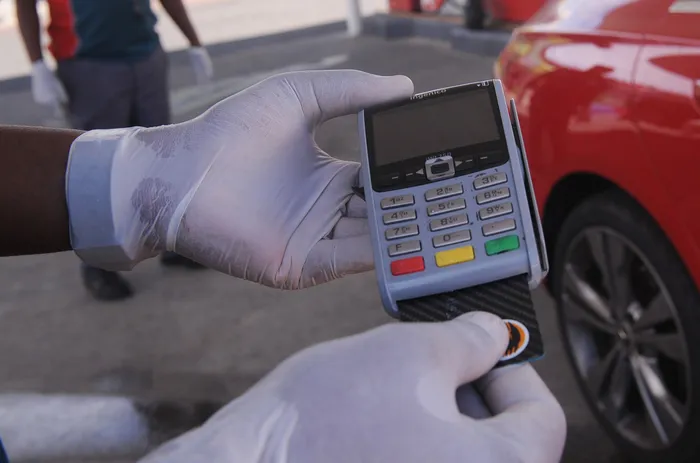
A Mpumalanga petrol attendant is expected to appear in court after allegedly cloning fuel cards and siphoning almost R500,000 from customers.
Image: File/ Independent Media
A petrol attendant who took filling up at pumps onto an illegal orbit was arrested last week after siphoning nearly R500 000 through cloning motorists fuel cards.
The suspect was arrested at a fuel station in the Mpumalanga area and was due to appear at the Balfour Magistrate’s Court on Monday in connection with the alleged offence.
As police investigations into the matter is ongoing, they believe there might be more individuals linked to the illegal transacting that they have uncovered.
The arrest of the 34-year-old petrol attendant at a Truckstop inn fuel station was through the efforts of fraud investigators from two banks and the he Hawks’ Middelburg-based Serious Commercial Crime Investigation unit.
According to the Hawks spokesperson, Lieutenant Colonel Magonseni Nkosi, the suspect was alleged to have cloned fuel cards during transactions when motorists paid using petrol cards at the fuel station. Investigations by the financial institutions revealed that card users suffered an estimated loss of R469,000.
The Hawks were alerted to the suspected criminal activity and operationalised the information. Officers swooped on the fuel station on Friday, 12 December 2025, where the identified petrol attendant was searched.
A card-cloning device was allegedly found in his possession, leading to his immediate arrest.
Mpumalanga Hawks provincial head, Major General Nico Gerber, commended the collaboration between the financial institutions, the fuel station and law enforcement.
“Our investigation is still in its infancy phase, and we believe that as it continues, more information will be uncovered. There is also a possibility that more people may be linked to the illegal activities,” Gerber said.
“This is a testament to the importance of collaboration between the public and private sectors in addressing crime.”
DAILY NEWS