SAB Warns Excise Hikes and Zero Alcohol Driving Laws Could Fuel Illicit Liquor Trade
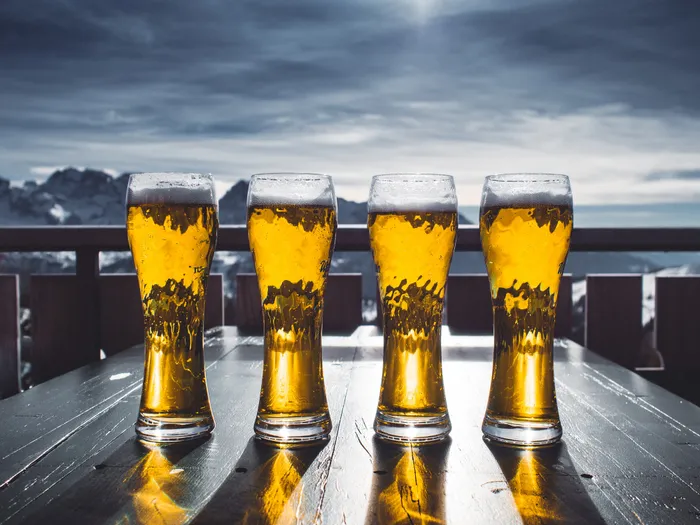
SAB warned that darker days lay ahead for the country's alcohol industry if the Transport Minister Barbara Creecy's propossl of a total ban on drinking alcoholic beverages while driving is implemented.
Image: File Picture
South African Breweries (SAB) has warned government that steep increases in excise duties would be counterproductive and would only serve to fuel the growth of illicit alcohol traders, just as it has happened in the tobacco industry.
SAB made the assertion in response to Transport Minister Barbara Creecy’s suggestion that a total ban on consuming alcoholic beverages while driving would help reduce carnage on the country’s roads.
Creecy delivered a preliminary road safety statistics for the 2025/2026 festive season last week and used the occasion to announce her department’s plans to amend road regulations, citing road fatalities as a major concern.
She suggested that drink-driving policies formulated many years ago are due for a major overhaul.
“In today’s South Africa, it is totally unacceptable that there is a law that allows people to drink and drive. I have never understood this. I cannot explain this to anyone who has lost their parents, a brother, a sister, or a child as a result of a road accident,” Creecy said.
The minister believes the time has come for government to amend the law to ensure a “clear-cut, easy-to-understand and unambiguous policy that says drinking and driving are not allowed”.
“A law that allows drivers to drink a certain amount and then get behind the wheel of a car must be scrapped. So we will begin an amendment to Section 65 of the National Road Traffic Act. If nothing else, we owe this to the memory of the many fellow South Africans who have lost their lives on the roads,” Creecy said.
However, SAB has cautioned that such measures could spur the illicit liquor trade, to the detriment of legal operators in the industry.
SAB spokesperson Lungile Manganyi said the company had already submitted a warning to the Tax Policy Review process, highlighting the potentially catastrophic consequences these moves could have on the industry, employment and the broader economy.
He said recent research showed that illicit alcohol accounts for approximately 18% of total alcohol consumption in South Africa, “meaning that nearly one in every five alcoholic beverages consumed is illicit”.
“Against this backdrop, any policy proposals that result in above-inflation excise increases must be carefully assessed in light of their trade-offs and unintended consequences,” Manganyi said.
SAB also pointed to the closure of local production facilities by a major tobacco manufacturer, which has been attributed in large part to the overwhelming prevalence of illicit trade that eroded legal volumes and undermined the viability of compliant operations.
“Where legal products become increasingly unaffordable and enforcement against illicit trade remains weak, consumption does not decline — it shifts into the illegal market. The consequences are clear: declining legal sales, job losses, reduced local manufacturing, and ultimately lower tax revenues for the state,” Manganyi said, urging government to avoid similar risks in the beer industry.
He added that the current excise adjustment framework stipulated that duties on alcoholic beverages should increase in line with projected inflation in order to maintain the real value of the tax.
“The latest research shows that illicit alcohol is now approximately 47% cheaper than legal alcohol, at a time when consumers remain significantly cash-constrained, accelerating the shift away from regulated products. Departing from these principles creates market-distorting outcomes. Above-inflation increases on beer risk sending the wrong signals to consumers by disproportionately increasing the price of lower-alcohol products relative to higher-alcohol alternatives.”
“This is particularly concerning given the beer industry’s highly localised value chain, with more than 95% of inputs sourced locally, supporting approximately 250,000 jobs — from farmers and manufacturers through to distributors, tavern owners and retailers,” Manganyi said.
DAILY NEWS