

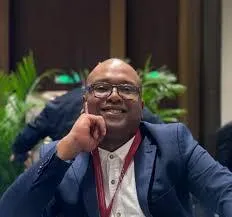
AYANDA MDLULI: The abandonment of its founding principles in favour of political expediency has tarnished the legacy of the ANC and raised questions about its commitment to policies of redress, black economic empowerment, and employment equity among other progessive dispositions.
Image: Supplied
While the rest of us have-nots linger in the pits of economic despair, all eyes will be on President Cyril Ramaphosa as he delivers his much-anticipated State of the Nation Address this evening.
We are a nation grappling with high unemployment, rampant crime, illegal foreigners, poverty, and a growing sense of disenfranchisement. With these issues, the president must understand that we are in desperate need of bold government intervention.
The growing sentiment is clear: effective government spending programmes are essential to revitalising the economy and creating sustainable opportunities for its citizens. In order for any nation to thrive, there should be aggressive government spending programmes to spur economic growth. For too long, the economic opportunities in South Africa have been reserved for the fortunate few. As the government remains entrenched in a cycle of austerity, the rich continue to amass wealth while the majority fight for survival.
Our historical governance choices, dating back to former Finance Minister Pravin Gordhan's severe spending cuts, have left a legacy of stunted economic growth and weakened the state’s ability to create an environment in which all citizens can thrive.
Instead, the rich get richer and our nation is not creating enough wealth to benefit the majority its citizens. What we have witnessed is that those we have entrusted with power remain disconnected from the realities faced by the average South African.
Many of those we have given the privilege to lead have become tone-deaf and arrogant, especially when they deal with the very same people who voted for them. The May 2024 elections highlighted that sentiment, especially in KZN, with the ANC facing significant backlash from the electorate, leading to unlikely coalitions with their diametrically opposed rivals such as the DA, IFP, NFP and the PA, and VF+ nationally.
When assessing the above, my resulting view point is this: "The abandonment of its founding principles in favour of political expediency has tarnished the legacy of the ANC and raised questions about its commitment to policies of redress, black economic empowerment, and employment equity among other progessive dispositions."
In a nation rich with resources and potential, why has economic progress seemingly stalled? The crux of the issue lies in the absence of a “people-first” approach in economic policies. The need for significant investment in small and medium enterprises is evident, as these businesses often serve as the backbone of economic development.
However, the reliance on large corporations, which prioritise profit margins over societal welfare, will not yield the desired progress that we desperately need. It is alarming that austerity measures are still being considered viable approaches in a developing nation like South Africa.
A case in point is gross under spending in the KZN Department of Education and the Community and Safety portfolio in the KZN government. This mindset is taking us back to the days of the IMF and World Bank's Structural Adjustment Programmes that historically stunted African growth.
If history has taught us anything is that we must push against the constraints of austerity that have perpetuated unemployment and disillusionment, calling instead for government investment that promotes economic prosperity.
As President Ramaphosa prepares to address the nation, the pressing question remains: Will he present policies that reflect an understanding of South Africa’s diverse challenges? Or will he continue the trend of empty promises amid a backdrop of harsh realities?
The nation's identity hangs in the balance, as voices continue to agitate for a comprehensive strategy that meets the multifaceted needs of its citizens. The coalition of the government of national unity must rise to the occasion or risk being remembered as another instance of political failure. The time to act is now! South Africa cannot afford to remain idle. The path forward requires recognising and addressing economic inequality, ensuring that future growth is both inclusive and beneficial to the entirety of its populace.
Ayanda Mdluli is the editor of the Daily News in KZN