

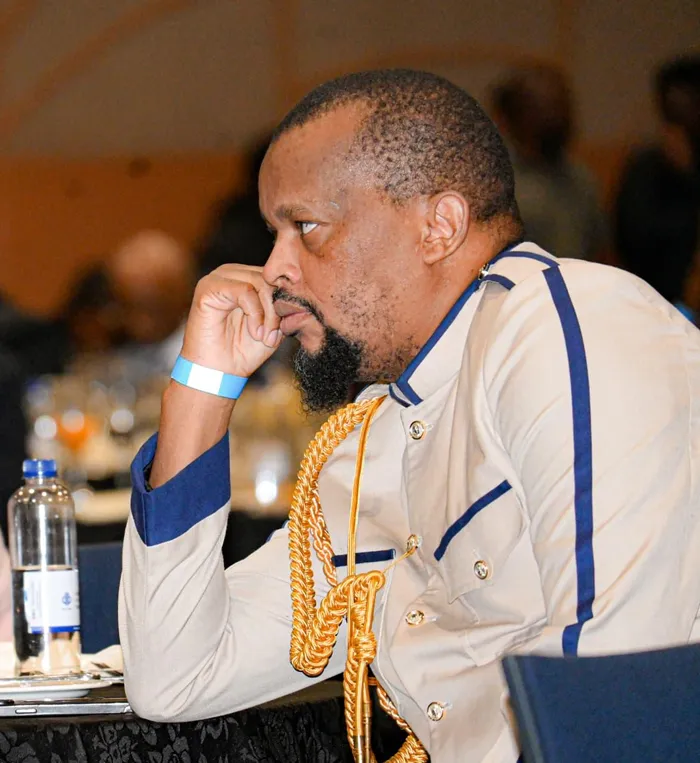
HRH Prince Africa Zulu of the Onkweni Royal House, is the chairperson of the Prince Africa Zulu Foundation Trust, and former spokesperson and head of communications for His Majesty King Misuzulu.
Image: Supplied
Names matter in the life of any nation because they carry memory, identity and belonging from one generation to another.
The province known today as KwaZulu-Natal contains within its name two very different historical moments. One reflects the long and proud history of the Zulu people, whose civilisation grew from this land and shaped the political and cultural life of the region.
The other originates from the arrival of the Portuguese explorer Vasco da Gama in 1497, who named the coastline Natal after reaching it during the Christmas season. As societies across the world reconsider colonial symbols, it becomes reasonable to ask whether this name still reflects the identity and heritage of the people who live here today.
Long before European explorers reached this coastline, the region was home to organised communities and powerful societies. These communities eventually produced one of Africa’s most influential kingdoms. The rise of the Zulu nation under King Shaka in the early nineteenth century reshaped the political landscape of southern Africa.
It established a powerful state with clear systems of governance, military organisation and cultural traditions. This legacy forms a central pillar of the civilisation that grew from this land.
The name Natal later became entrenched through colonial administration during the nineteenth century. When the British established the Colony of Natal, the name reflected the worldview of empire rather than the identity of the indigenous people.
Like many colonial designations across the world, it represented the perspective of those who governed rather than those who belonged to the land. These colonial labels often survived long after the political systems that created them disappeared. As a result, many societies today are reassessing whether such names still serve their modern identity.
With the arrival of democracy in 1994, South Africa attempted to reconcile a complex historical inheritance. The former homeland of KwaZulu was merged with the old Natal province to create the modern province of KwaZulu-Natal. This arrangement recognised both the indigenous identity of the Zulu nation and the administrative legacy of the colonial period.
Yet the combined name still reflects a compromise rather than a clear expression of civilisational identity. The question therefore continues to arise whether this compromise should remain permanent.
Beyond the historical question, the continued use of the name Natal also raises an important issue about identity. Nations grow in confidence when their public symbols clearly reflect the civilisation that shaped them. Names of provinces, cities and institutions often serve as daily reminders of collective heritage.
When those names align with indigenous history, they strengthen cultural continuity and pride among citizens. In this sense, the discussion about the province’s name becomes part of a broader conversation about dignity and cultural restoration.
There are also economic considerations in this debate. Across the world, regions increasingly recognise the value of cultural identity in attracting tourism, investment and international recognition.
Places that celebrate authentic heritage often create stronger global brands and deeper visitor interest. A name that reflects the civilisation of the Zulu nation could therefore strengthen the province’s cultural narrative. Such recognition may contribute positively to tourism development and global awareness of the region.
The argument that reviewing the name would be too expensive also deserves reflection. Governments frequently allocate large budgets to monuments, commemorations and other symbolic projects intended to shape national memory.
When societies believe that certain symbols carry meaning, they often invest resources to preserve or correct them. The cost of reviewing a name should, therefore, be weighed against the long-term cultural value it may produce. Nations throughout history have repeatedly invested in symbols that reinforce identity.
In this context, the call by His Majesty King Misuzulu kaZwelithini to review the continued use of the name deserves serious consideration. Such a call reflects a deeper reflection about history, identity and the future direction of the province.
It invites citizens and leaders to think carefully about what the province’s name communicates to future generations. The discussion should therefore be approached with maturity and a willingness to examine history honestly. Moments like this often shape how a society understands itself.
History will ultimately judge how societies respond to moments that challenge inherited narratives. Future generations will ask whether this generation had the courage to restore clarity to its heritage.
They will examine whether leaders listened carefully to the voices calling for cultural recognition. The debate therefore extends beyond geography into the deeper question of historical responsibility. What is decided today will influence how identity is understood tomorrow.
The question, therefore, is not simply about geography. It is about identity, memory and the dignity of a people whose civilisation shaped this land long before colonial arrival.
Names carry stories and values that travel across generations. When those names reflect the true roots of a society, they strengthen cultural confidence. For this reason, the discussion about KwaZulu-Natal deserves thoughtful national reflection. It is ultimately a conversation about who we are and how we choose to remember our past.
HRH Prince Africa Zulu Onkweni of the Royal House. He is the chairperson of the Prince Africa Zulu Foundation Trust, and former spokesperson and head of communications for His Majesty King Misuzulu.
*The opinions expressed in this article do not necessarily reflect the views of the newspaper.*
DAILY NEWS