


Rev. Musa Zondi discusses the vital role of Hluhluwe-iMfolozi Park in wildlife conservation and community development, highlighting successful initiatives and ongoing challenges in the fight against poaching.
Image: Supplied
KwaZulu-Natal's Economic Development MEC, Reverend Musa Zondi, highlighted the significant strides that Hluhluwe-iMfolozi Park is making in wildlife preservation and community engagement.
Zondi said this during a media engagement event staged by Ezemvelo KZN Wildlife's this week, that included focus the entity's programme on rhino dehorningy.
Ezemvelo, as the custodians of biodiversity in the province, are required to safeguard natural ecosystems, and ensure that endangered species like the black rhinos, and diverse plant life, are protected for generations to come.
The MEC emphasised the park's ongoing efforts, particularly its successful dehorning programmes, which have played a crucial role in curbing poaching rates.
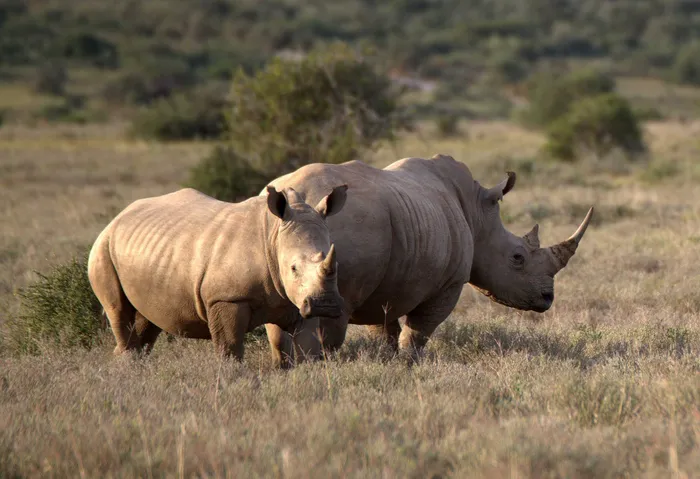
The rhinos of Hluhluwe-iMfolozi Park in KZN.
Image: File
"We are dedicated to maintaining the integrity of this park, not just for its wildlife but for the enrichment of local communities that rely on its resources," Zondi remarked.
He elaborated on how the park not only protects elephants but also facilitated the supply of wildlife to other regions and responsibly grants access to medicinal plants for local communities and traditional healers.
Zondi's vision encompasses fostering a harmonious coexistence between wildlife and nearby residents, promoting shared economic opportunities through tourism.
"KwaZulu-Natal remains a destination of choice, and with initiatives like the upcoming Club Med South Africa Beach & Safari resort, we anticipate an influx of international visitors eager to experience both our breathtaking beaches and rich wildlife," he added, hinting at the growing potential for economic diversification through eco-tourism.
"Despite these advancements, challenges persist. Poaching continues to pose threats, especially when it leads to damaged fences, heightening the risk of wildlife conflicts with livestock."
The MEC said the necessity of maintaining the fences, which is connected to preventing the spread of diseases like Foot and Mouth Disease (FMD).
He explained that the recent FMD outbreaks affected the province involved strains that had impacted the park's wildlife.
About the financial sustainability of conservation efforts, Ezemvelo KZN Wildlife's CEO, Sihle Mkhize, outlined strategic measures in place to bolster revenue generation and efficiency.
"We've transitioned from traditional game auctions to online platforms, significantly reducing costs and allowing conservation efforts to benefit more directly from generated revenue," Mkhize explained.
Apart from the digital strides, new revenue avenues, including the structured selling of game based on culling needs, enticing hunting packages, and operational cost reductions through initiatives like solar energy installations.
However, Mkhize stressed a cautious approach was needed to commercialisation, which prioritised underperforming facilities for potential private concessions while protecting revenue streams from more profitable operations.
He said that Ezemvelo strives to strike a balance between revenue generation and its public mandate, ensuring that state-managed facilities remain accessible to the wider public, unlike many private reserves that often prohibit entry due to steep fees.
DAILY NEWS