

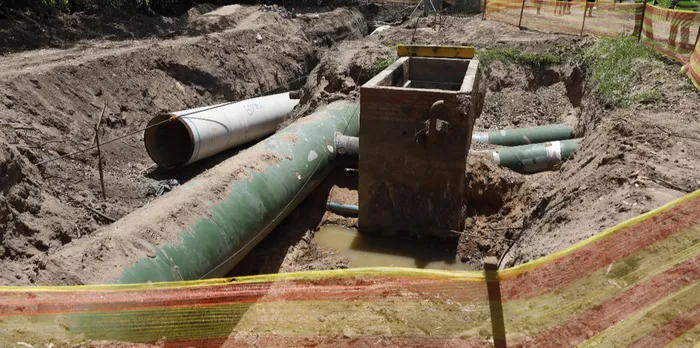
Durban's newly launched Metro Trading Services Reforms aim to revitalise essential services amid declining quality.
Image: Doctor Ngcobo / Independent Newspapers
The newly launched Metro Trading Services Reforms have garnered widespread acclaim from ratepayers' associations in Durban, who describe the initiative as one of the most promising steps towards revitalising essential services throughout the metropolitan area.
Set against a backdrop of declining service quality, these reforms aim to enhance the financial stability of local authorities and diminish their dependence on government grants.
At the heart of the reforms lies a R54 billion performance-based incentive programme designed to inject critical funding into vital infrastructure sectors, including water, electricity, and waste management services.
A crucial stipulation for accessing these funds is the 'ring-fencing' of revenue garnered from the services, meaning they will be overseen by professionally run entities.
This strategic framework is poised to establish a more effective service delivery system, which is paramount for restoring residents' confidence.
Keyuren Maharaj, Chairperson of the Glenwood Bulwer Ratepayers and Residents Association (GBRRA), expressed cautious optimism about the initiative, while emphasising the pressing need for genuine improvements on the ground.
He noted a dangerous communication breakdown between municipal departments and the public, citing a recent incident where a major institution faced electricity disconnection despite having proven its payment.
“When one department has information and another acts as though it does not, the public suffers the consequences,” Maharaj said in highlighting the importance of transparency and robust interdepartmental communication in achieving meaningful service delivery.
Asad Gaffar, Chairperson of the Durban Ratepayers’ Association, agreed.
Gaffar praised the government’s new reform strategy but raised concerns regarding the accountability of the same officials who had previously presided over service delivery failures.
He called for stricter measures, particularly regarding city managers and service managers, insisting on clear performance timelines and consequences for non compliance.
Gaffar also highlighted the absence of civil society involvement in the planning and oversight processes, and that decisions appear to have been made without crucial public input.
Adding to the dialogue, SALGA CEO Sithole Mbanga expounded on the intricacies of metropolitan infrastructures and the central economic roles they play.
He stated that the reform initiative stemmed from deep consultations with mayors and senior leadership, paving the way for a shared commitment to reform, a necessity, given the unsustainable trajectory of current trading services.
However, he also raised concerns arising from the pressures of balancing capital and operational expenditure, as well as ensuring political stability ahead of looming local elections.
“Our metros have been clear: any structural adjustments to the governance or financing of trading services must not erode council authority or create parallel systems that undermine municipal control,” Mbanga said, in marking the significance of mutual respect among all governmental spheres during these transformative times.
While excitement mounts around the Metro Trading Services Reforms, the voices of caution from ratepayers' associations reflect a broader expectation for tangible results and sustained accountability in fortifying essential services across Durban.
DAILY NEWS