

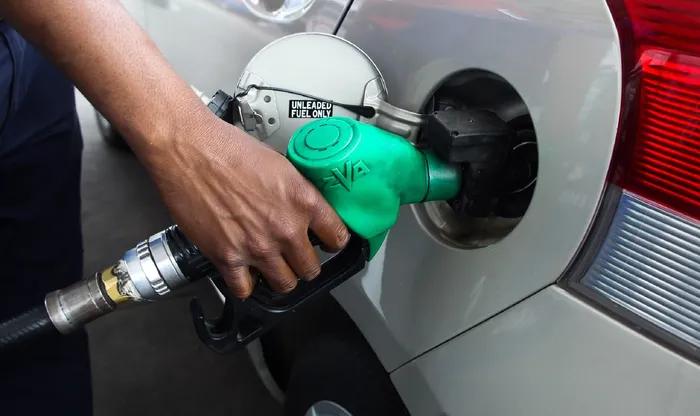
1008596544__20260407__0 The price of fuel is a hot topic.
Image: Jacques Naude / Independent Media
Petrol taxes, spiritual abuse, global conflict, and rising living costs dominate this week’s powerful letters.
Petrol is an essential commodity — fuel that not only keeps our economy chugging but enables all South Africans to work and live.
As we head into a possible oil crisis due to the war in Iran, the government needs to stop the anti-poor and archaic tactic of taxing petrol to make up for shortfalls in its fiscus. Between the start of the war and when this article was being written, the price of oil had increased by 36%, with constant surges and plummets as policy uncertainty and the status of the Straits of Hormuz fuels speculation.
Twenty percent of the world’s oil travels through the Straits of Hormuz, and while South Africa gets most of its oil from Nigeria and Saudi Arabia, there will no doubt be a ripple effect as global prices rise to meet demand.
On top of this, the government plans to raise the Road Accident Fund fuel levy for the first time in five years. The RAF levy added R2.18 to every litre of petrol and diesel and will now be raised by an additional 7c. The RAF has been awash with accusations of mismanagement, bad accounting and corruption.
Even without the RAF, a third of the price of fuel goes to tax — notably a general fuel levy and VAT. Additional taxes across every level of the supply chain continue to inflate the price of fuel. It is taxed when shipped, when it lands, and again through transport, storage and retail — all of which ultimately burden consumers.
Cheap fuel is the backbone of an economy. Workers need fuel to get to work, goods need fuel to move, and generators rely on it to keep running. Between 1 April 2025 and 5 March 2026, Eskom spent R6.32 billion on diesel — an average of R18.6 million a day — highlighting the country’s dependence on fuel.
When fuel prices rise, everything becomes more expensive. The knock-on effects can destabilise the entire economy.
Government can ease this burden by removing fuel taxes, potentially reducing prices and stimulating economic growth, job creation and consumer spending. Petrol and diesel are essential goods and should not be treated as a revenue shortcut.
The fiscal gap should instead be addressed through cutting wasteful expenditure and enabling job creation. Expanding the tax base — not overburdening existing taxpayers — is the sustainable path forward.
South Africa has the tools to improve lives, but government must act as an enabler, not an exploiter. | Nicholas Woode-Smith Free Market Foundation.
The recent arrest of a spiritual minister for abusing a congregant is deeply concerning.
Many so-called spiritual “superstars” violate biblical ethics yet retain leadership positions because followers remain blinded by devotion. Many individuals are drawn to mega-churches from dysfunctional backgrounds, seeking role models and guidance. Pastors are often viewed as surrogate fathers, strengthening emotional bonds that followers are reluctant to break.
For many, church communities provide vital social connections, and leaving may mean losing these ties. Low self-esteem can also leave individuals vulnerable to manipulation and abuse.
The church in South Africa is facing a crisis, prompting government, through the CRL Commission, to consider regulating religious institutions. Greater awareness is needed among congregants to challenge leaders who act above the law. | Bishop Roy Nair Merebank.
A good non-fiction book should be interesting, thought-provoking, and enlightening.
Two recommended titles are Fast Facts on False Teachings by Ron Carlson and Ed Decker, and The Top 100 Questions by Richard Bewes. Both provide insight into belief systems and offer answers to common questions.
These books encourage open-minded exploration and personal growth, appealing to readers of all backgrounds. | Simon T Dehal Verulam.
EFF leader Julius Malema has been sentenced to an effective five years in prison for reckless and dangerous behaviour.
While some may argue the sentence is harsh, South Africa faces serious gun violence issues, and public figures must set responsible examples. At the same time, questions remain about consistency in justice, as individuals implicated in corruption — including those named in the Zondo Commission — remain free. | T Markandan Kloof.
Current geopolitical developments appear to serve the interests of Israel and the United States.
However, this comes at significant cost. Continued US involvement in Middle Eastern conflicts raises concerns about resources, personnel and long-term consequences. There is growing sentiment that citizens should question ongoing military engagement and demand a shift in priorities. | Anonymous Sherwood, Durban.
Reducing apartheid to infrastructure ignores its true purpose.
Facilities such as hospitals and universities were part of a broader system of exclusion and control. Criticism of present governance does not diminish the injustices of the past. | Omar Parak Pietermaritzburg.
Fuel shortages at Shell garages in Phoenix are frustrating motorists.
Stations often run out of fuel without warning, forcing unnecessary travel. Service standards have declined, with errors such as incorrect fuel being dispensed and little accountability. Motorists deserve better transparency and service from providers. | Zahir Danbar Phoenix.
India and Israel maintain strong ties despite limited cultural similarities.
Their relationship appears rooted in shared strategic interests, including defence and territorial concerns. These dynamics raise broader questions about geopolitics and the human cost of conflict. | Ebrahim Essa Berea.
Geopolitical tensions in the Middle East may disrupt supply chains and drive up condom prices.
For already cash-strapped individuals worldwide, rising costs could make safe sex less accessible — with serious public health implications. | Eric Palm Gympie, Australia.
DAILY NEWS