

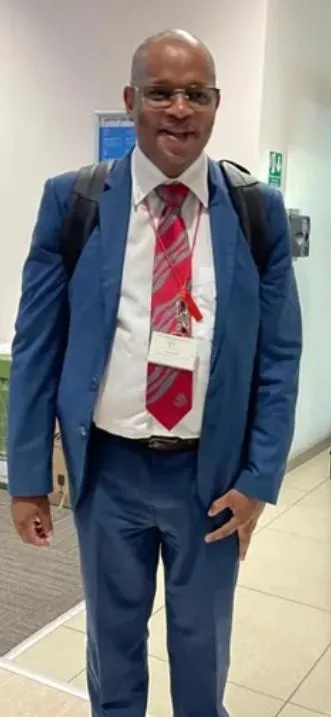
Captain Rufus Lekala has navigated his way through driving taxis in a township to becoming a respected figure in the maritime sector and achieving academic excellence along the way.
Image: Supplied
Long before he rose to senior leadership positions in South Africa’s maritime sector, Captain Rufus Lekala spent his days navigating township roads behind the steering wheel of a taxi, working to survive in an era where opportunities were limited and unemployment was widespread.
Now, decades later, Lekala is preparing to graduate with a Master’s degree in Maritime Studies from University of KwaZulu-Natal, adding another achievement to a journey marked by determination, reinvention and steady personal growth.
His rise from taxi driver to respected maritime leader reflects a dramatic shift across industries and social circumstances, but Lekala says his beginnings shaped the discipline that carried him through later stages of his life.
“After my matric, I think I started driving taxis. I completed my matric in 1990 and I drove taxis from 1990 to 1994, I think it was about five years,” he told IOL.
“At the time I was living in a township, there’s nothing you can do. I mean, jobs were scarce.”
Driving taxis during those years was more than a means of transport; it was a source of income and stability during a difficult economic period. Lekala remembers the experience fondly, describing the camaraderie that developed between drivers and loyal passengers.
“I would say it was fun. It was something that could put bread on the table,” he said.
“And I always had regular customers that would come and wait for me.”
While the taxi industry provided survival and structure, Lekala knew it could not define the limits of his future. He later transitioned into maritime studies, entering a vastly different world that demanded technical expertise, leadership and continual learning.
Over time, he climbed through the ranks to occupy some of the country’s most influential maritime and port management roles, including senior operational positions within the Transnet National Ports Authority and the South African Maritime Safety Authority.
As he prepares for graduation, Lekala says education remains central to adapting in a constantly changing world.
“It’s great. I mean, you have to reinvent yourself. And see what is happening around the world.”
For him, education became the bridge between the informal township economy and the structured demands of international maritime operations.
But beyond qualifications and executive positions, Lekala believes fulfilment comes from pursuing work with genuine passion and commitment.
“You must fall in love with the career that you want to be. That’s what I say to my children as well. You don’t want to do a career because of convenience.”
He believes passion sustains people through the pressures and demands of professional life, making long-term growth possible.
DAILY NEWS