

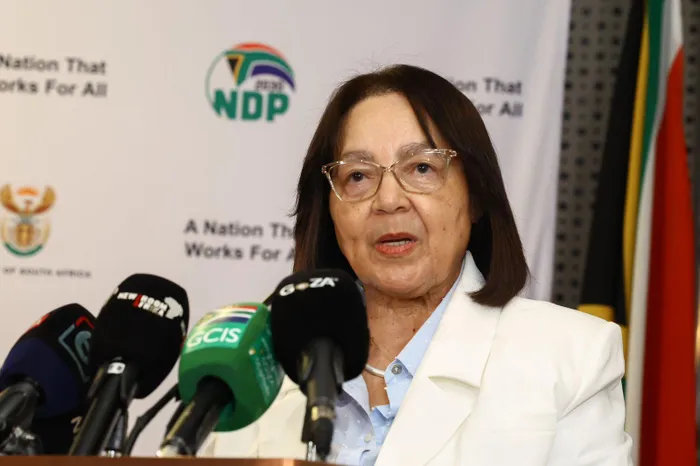
South Africa's Tourism Minister, Patricia de Lille, introduces the Electronic Travel Authorisation at Africa’s Travel Indaba, aiming to simplify travel and boost tourism across the continent.
Image: Supplied
To facilitate easier visitor movement into South Africa and bolster tourism, a digital authorisation system will be relied on to enable eligible travellers to enter the country.
The Electronic Travel Authorisation (ETA), a groundbreaking digital feature linked to visitors’ passports, was announced by Tourism Minister Patricia de Lille.
De Lille was speaking during a workshop focused on the “Ease of Travel” at Africa's Travel Indaba 2026 at Durban’s Inkosi Albert Luthuli International Convention Centre on Wednesday.
The ETA applies to eligible travellers visiting South Africa for short stays, including holidays and family visits, and is verified electronically by airlines and border control officials.
Like the ETA's introduction, the Indaba serves as a platform for stakeholders to explore and promote similar innovations, opportunities and attractions across the African continent.
This year’s Indaba theme, “Unlimited Africa”, highlights efforts to eliminate travel barriers. The event not only serves as a platform for marketing destinations, but also as an incubator for ideas, partnerships and investments shaping the future of tourism on the continent.
During the workshop, De Lille also unveiled other developments concerning South Africa’s tourism and immigration landscape.
“This (ETA) is not just a digital upgrade; it is a fundamental shift in how we welcome visitors, how we compete globally, and how we grow our tourism economy.”
She described the system as one of the most critical reforms in the tourism sector, adding that early results since the ETA went live had been promising.
De Lille said feedback indicated that the ETA delivered rapid processing times, enabling more streamlined airport procedures that could take less than a minute.
She was optimistic about the system’s evolving capabilities, which include new features for renewals, family profiles and expanded coverage across more countries.
De Lille encouraged attendees to explore how the ETA could be integrated into their businesses and operations.
She said simplifying travel to South Africa would help increase tourist arrivals.
“The easier it is to travel to South Africa, the more travellers will come. And the more travellers come, the more your businesses grow, the more jobs we create, and the more communities benefit.”
She added that the ETA was developed through collaborative work with the Department of Home Affairs, which is spearheading the project.
Deputy Tourism Minister Maggie Sotyu also showcased projects funded by the Tourism Transformation Fund.
The Tourism Transformation Fund, a collaborative initiative between the Department of Tourism and the National Empowerment Fund, was established in May 2018 to uplift black-owned tourism enterprises.
Through a combination of grant funding, concessionary loans and tailored business support, the fund aims to reduce barriers to entry into the tourism sector, increase participation and build a more inclusive tourism economy.
“Transformation in tourism cannot remain an abstract policy discussion; it must be visible and tangible,” Sotyu said.
“It must reflect ownership patterns, participation in the tourism value chain, and who ultimately benefits from tourism growth.”
Since its inception, the fund has received 799 applications for assistance, with 41 projects currently active and approved.
To date, approximately R150.4 million in grant funding has been approved to support transformation in the tourism sector.
DAILY NEWS
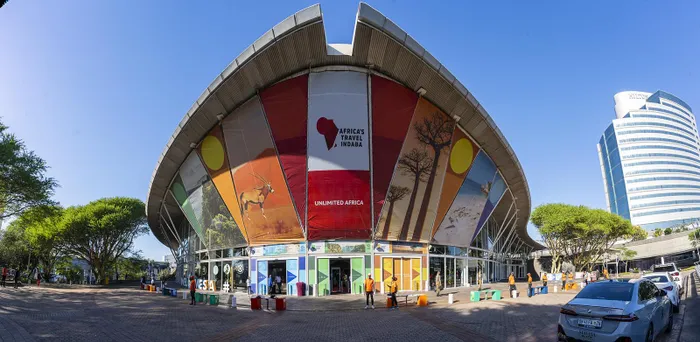
Durban's International Convention Centre is hosting Africa's Travel Indaba 2026
Image: SUPPLIED