

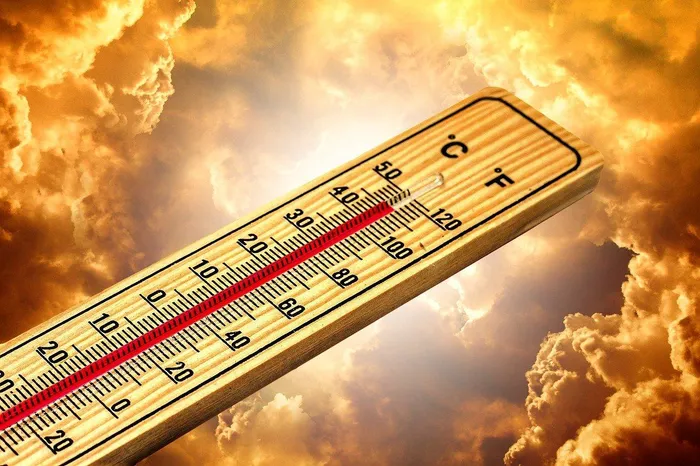
2026 is one of the hottest years on record.
Image: Pixabay
As the world continues to heat up, scientists are sounding the alarm that 2026 is on track to be one of the hottest years ever recorded.
While this might sound like climate talk that only scientists and activists discuss, the effects are already being felt here in South Africa and across the Southern Hemisphere. Because of that, we, as the average South African, should pay attention.
Scientists analysing global temperature trends warn that average surface temperatures are now about 1.4°C above pre-industrial levels, and 2026 is forecast to be among the top four warmest years on record.
This is according to data from international monitoring systems like the Copernicus Climate Change Service, which tracks detailed global climate trends.
The year 2024 was confirmed as the warmest year since global records began, and 2025 remains near those highs, even without a strong El Niño boosting temperatures.
The internationally agreed climate goal, called the Paris Agreement, aims to limit global warming to well below 2°C, and ideally 1.5°C, to avoid the worst impacts of climate change. Hitting or exceeding that 1.5°C mark more often increases the risk of more frequent heatwaves, floods, droughts and other extreme weather.
South Africans are already feeling the heat. Recent extreme weather, such as flooding, water shortages and constant heatwaves, confirm scientists’ warnings about warming-linked climate shifts.
In recent months, there were record wildfires in parts of South Africa this fire season, linked to hotter, drier conditions.
There has also been economic losses of hundreds of billions of rand from climate-related disasters over the past two decades.
These events are part of a broader pattern of extreme weather in southern Africa often amplified by global warming and climate patterns like El Niño.
And rising temperatures don’t just change weather charts — they can affect lives.
Heatwaves become more frequent and severe. Storms, floods and droughts hit harder. Agriculture, water supply and health systems are stressed.
This is as many South African communities are already struggling with these changes.
Scientists point to two main causes:
1. Human-made greenhouse gas emissions
Burning fossil fuels like coal, oil and gas releases heat-trapping gases into the atmosphere, raising global temperatures.
2. Natural climate cycles (El Niño)
Natural patterns like El Niño — a periodic warming of Pacific Ocean waters — release more heat into the atmosphere, temporarily boosting global temperatures. Scientists say the 2023-24 El Niño helped push temperatures higher, but it didn’t cause the long-term warming trend.
To put it in simpler terms, El Niño is like turning up the heat temporarily and climate change is making the stove itself hotter all the time.
IOL