

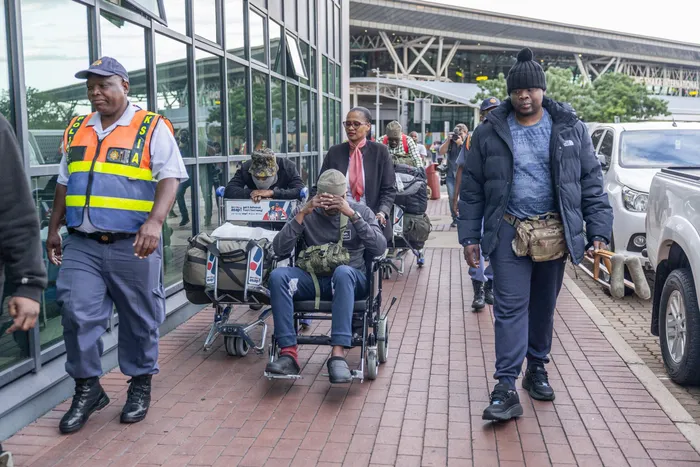
International relations expert has warned that African citizens are being lured into foreign conflicts under the false promise of employment.
Image: AFP
An international relations expert has warned that African citizens are being lured into foreign conflicts under the false promise of employment, as South Africa grapples with the deaths of two nationals who were recruited to fight in the Russia-Ukraine war.
The Department of International Relations and Cooperation said the two South Africans were not linked to a separate group of 17 men allegedly recruited via the uMkhonto weSizwe (MK) Party, but were part of another scheme.
International relations analyst Dr Gideon Chitanga said it was “pretty obvious” that, after four years of conflict, both Russia and Ukraine were stretching recruitment efforts beyond their borders.
“Most of the individuals who become recruited and find themselves in the battlefield are primarily drawn in because they are looking for greener pastures, jobs or employment promised to them - not necessarily because they intend to join the military,” Chitanga said.
He added that informal or illegal networks across several African countries were deeply involved in recruiting vulnerable individuals.
The Minister of International Relations and Cooperation, Ronald Lamola, said the two deceased were not part of the group of 17.
“That should be very clear. They were not part of the 17. It’s part of another recruitment drive or another scheme that took them there,” Lamola said.
He said most South Africans caught up in the conflict had since been released from the front lines following diplomatic engagements between the countries’ leadership.
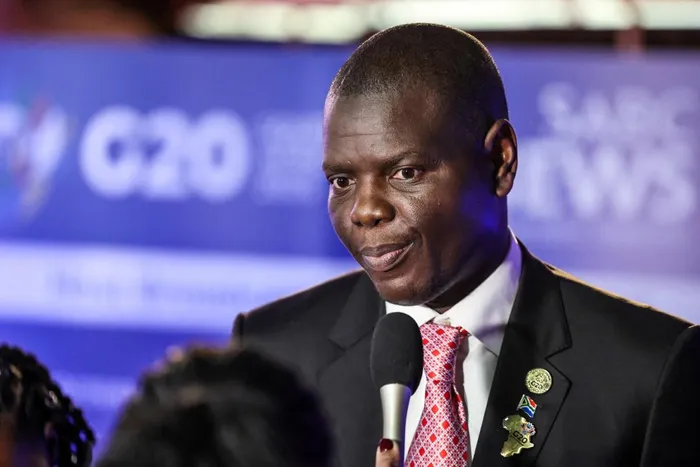
International Relations Minister Ronald Lamola said South Africans caught up in the conflict had since been released from the front lines.
Image: Ludovic Marin / AFP
Chitanga said that under South African law, it is illegal for citizens to engage in mercenary activities, and those who join foreign conflicts do so in their individual capacities.
“South Africa has a proper legal framework that guides its security structures. People who leave the country and join any conflict, including the Russia-Ukraine conflict, do so as individuals,” he said.
However, he stressed that the government still has an obligation to protect its citizens and use diplomatic channels to secure their return.
Lamola said the government’s immediate focus was facilitating the return of those involved, after which legal processes would follow.
“As and when they arrive in South Africa, the law must take its course,” he said, adding that law enforcement agencies were on standby should any returnees attempt to evade accountability.
Lamola also called for public vigilance, warning that suspicious job offers abroad - particularly those involving “security”, “logistics” or “technical support” in high-risk regions - should be treated with caution.
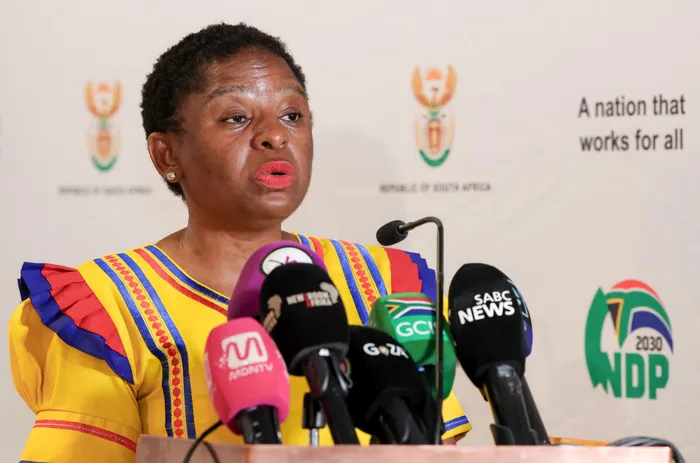
Minister in the Presidency Khumbudzo Ntshavheni has confirmed that a probe is under way into payments made before the recruitment of the 17 men allegedly lured to Russia
Image: GCIS
Minister in the Presidency Khumbudzo Ntshavheni said investigations were under way into payments made before the recruitment of the 17 men allegedly lured to Russia under false pretences.
She said the Russian government had not recruited the men directly. Instead, a private military company, the Wagner Group, was implicated.
“There were payments that were made,” Ntshavheni said. “Investigators will have to establish who received the money, for what purpose and what they did with that money.”
Authorities are probing allegations that R14m was paid to an individual in South Africa for procuring the men. Investigators are also examining claims that the recruits were required to sign binding contracts and that payments were exchanged before their deployment.
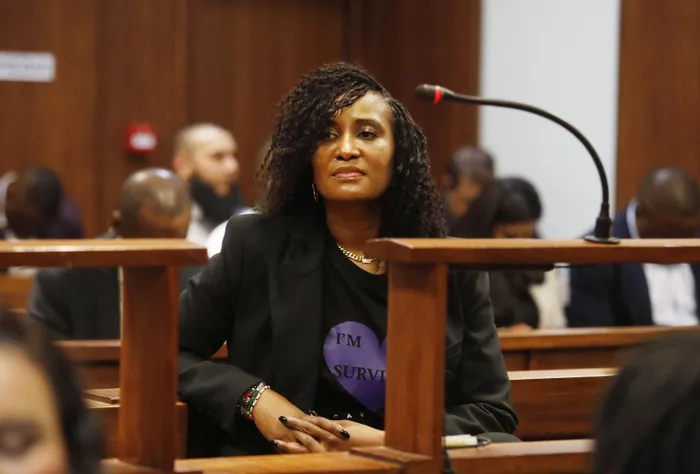
Duduzile Zuma-Sambudla, daughter of former president Jacob Zuma, has been accused of human trafficking and violating anti-mercenary laws.
Image: Doctor Ngcobo / Independent Newspapers
Allegations have also emerged against Duduzile Zuma-Sambudla, daughter of former president Jacob Zuma.
The Democratic Alliance (DA) has laid criminal charges against her, accusing her of human trafficking and violating anti-mercenary laws.
The party claims it obtained WhatsApp messages allegedly showing coordination in luring men to Russia with promises of “personal development”, “security training” and potential foreign citizenship.
Zuma-Sambudla has resigned as an MK Party MP, with party officials saying the move was voluntary and not an admission of guilt.
In a related matter, five people - including SAfm presenter Nonkululeko Mantula - appeared in the Kempton Park Magistrate’s Court in December on charges of recruiting South Africans to fight in Ukraine. All were granted bail.
The Directorate for Priority Crime Investigations, known as the Hawks, is continuing its probe into the recruitment networks.
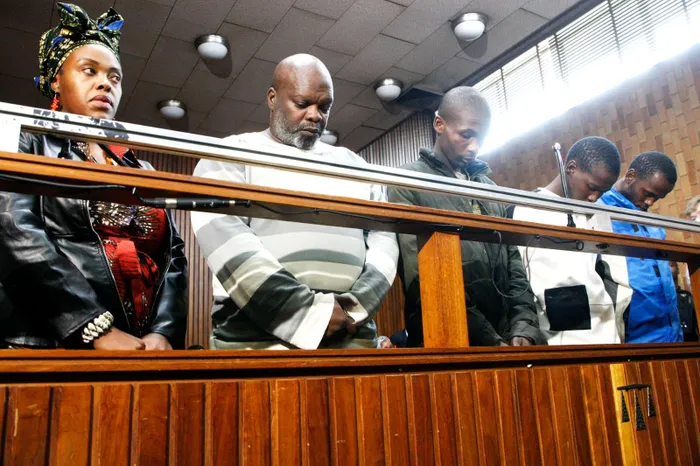
Five accused, Nonkululeko Mantula (39), Thulani Mazibuko (24), Xolani Ntuli (47), Siphamandla Tshabalala (23) and Sfiso Mabena (21) are facing charges of contravention of Regulation of Foreign Military Assistance Act.
Image: Itumeleng English/ Independent Newspapers
Chitanga said the broader concern for African governments was the exploitation of citizens under false pretences.
“When they arrive in Russia or Ukraine, they find themselves taken to fight,” he said. “African countries have an obligation to protect their citizens under their laws and constitutions.”
He added that while the issue raised security concerns, it was unlikely to significantly shift diplomatic relations, as individuals - not governments - were formally involved in joining the conflict.
IOL Politics