

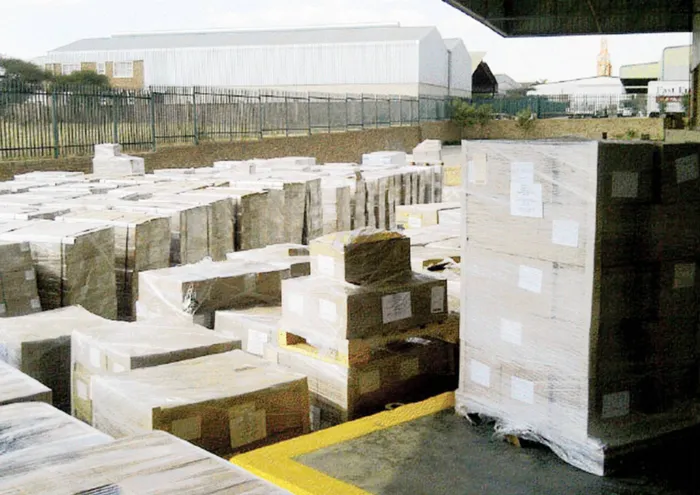
File photo File photo
Johannesburg - South African public schools are finished with the first term of schooling, yet there are still reports of schools that don’t have all the required textbooks and some that are sitting with the wrong batches of books.
Speaking at the SA Human Rights Commission (SAHRC) investigative hearing on the non-delivery of learning material that started on Tuesday, SA Democratic Teachers Union (Sadtu) spokeswoman Nomusa Cembi said the union was still getting reports from its members about schools not having all the textbooks they need.
Cembi said the most affected provinces were Limpopo, the Eastern Cape and the John Taolo Gaetsewe region in the Northern Cape.
She said that in Limpopo, where about 25 percent of the required textbooks had not been delivered, the most problematic was Grade 11 textbooks for physical science, maths, accounting and languages.
At the John Taolo Gaetsewe region, which previously fell under North West, deliveries were often mixed up, Cembi said.
In a survey conducted last month by consumer insights company Pondering Panda, Limpopo and Mpumalanga came out as the provinces most affected by the shortage of textbooks.
Of the 3 500 pupils from across all nine provinces, more than half of them (54 percent) said they don’t have all the textbooks they need. Forty percent of the respondents said they had all their textbooks and 5 percent said they had no textbooks at all.
In Limpopo, 27 percent of the pupils surveyed said they had all their textbooks, and in Mpumalanga, 36 percent said they had all the textbooks they needed.
Pondering Panda spokeswoman Shirley Wakefield said: “The experience of learners themselves once again shows that the government is not doing enough to get textbooks into the hands of pupils. With more than half of learners saying they don’t have the books they need, it’s clear that the quality of education in South African schools is suffering tremendously,” she said.
The SAHRC is now taking this matter up with the intention of compiling a national report on the state of delivery of learning material to schools and sending it to Parliament for implementation.
The commission has invited basic education director-general Bobby Soobrayan and other department officials, including all the provincial education MECs, to present oral and written responses to questions at the hearing around the challenges of delivery of learning material to schools.
The hearing, which is taking place at the SAHRC’s head office in Joburg, is not open to the media.
Cembi said Sadtu was concerned about the credibility of the information that will be provided in the hearing because only department officials, and no other interested parties, have been invited to give input.
Cembi said departments capture delivery data based on delivery slips which are signed once deliveries are made. She said these slips don’t take into account wrong and incomplete deliveries, so schools may be captured as having books but they may not be the correct number and/or may be for the incorrect subjects.
The Star