Gauteng girls top SA obesity list
|Published
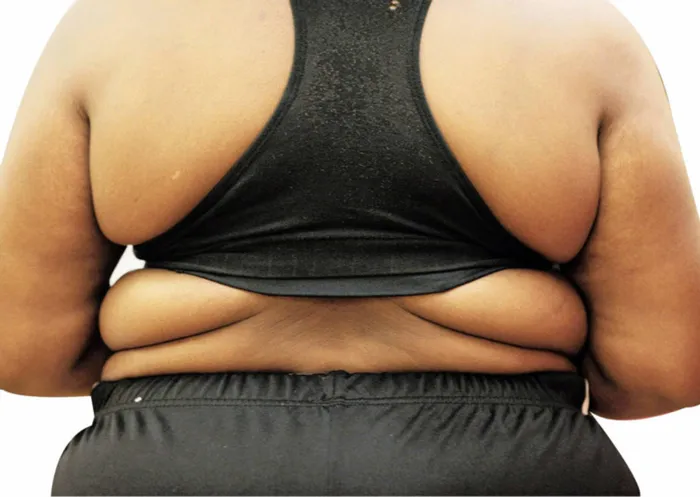
File photo: Studies have found that many schoolgirls are obese. File photo: Studies have found that many schoolgirls are obese.
Johannesburg - Nearly 20 percent of pupils in South Africa are overweight, with more than twice the number of girls affected than boys.
The Department of Health’s non-communicable disease strategy plan released this week also found 38 percent didn’t get enough exercise.
Another survey, the Human Sciences Research Council’s national household survey, found Gauteng girls were the most obese in the country.
Female obesity was highest in Gauteng (10 percent), KwaZulu-Natal (8.5 percent) and the Western Cape (7.25 percent), and lowest in Northern Cape (3.5 percent), North West (4.3 percent) and Limpopo (4.3 percent).
Zandile Mchiza, co-author of the HSRC survey, said the statistics were frightening: “Women have a higher prevalence of being overweight all over the country.”
The Medical Research Council’s Debbie Bradshaw said: “There is an emerging problem (of child obesity) in the Western Cape, even in the rural (areas), where it seems to be affecting girls more than boys.”
One of the causes was the convenience and lower price of unhealthy food.
Western Cape Education Department spokesman Paddy Attwell said: “We are concerned about (child obesity) and we’re working with the Department of Health.”
They were training 14 000 teachers in physical education as part of a revised curriculum.
The department was encouraging school tuckshops to sell fewer fast foods and sweets.
“We have to ensure young people and their families eat healthily,” Attwell said.
The provincial Health Department is finalising guidelines for tuckshops, replacing unhealthy foods with alternatives.
Examples include replacing chips with pretzels, popcorn, peanuts, biltong (not dried sausage), cereals and raisins. Healthy alternatives to sweets include fresh fruit, dried fruit, fruit salad, trail mix, fruit bars, 100-percent fruit juice, frozen yoghurt, peanut brittle, health bars and oats biscuits.
The Health Department’s Melvyn Freeman said they urged 150 minutes of moderate physical activity a week for children. “People need to take more responsibility for their own health.”
Cadet News Agency
The Star