

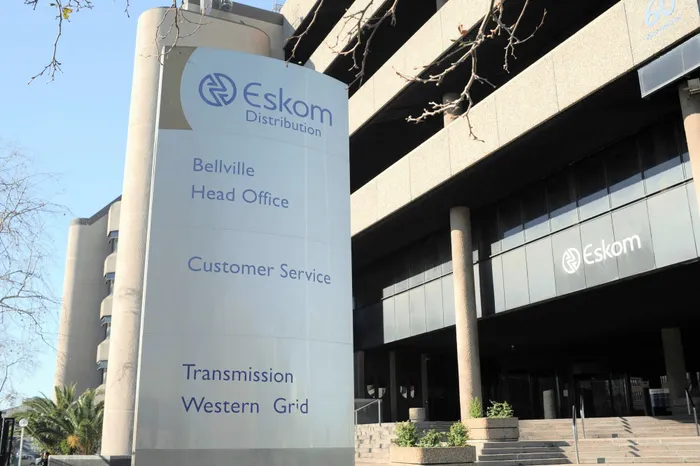
Picture: Henk Kruger/African News Agency (ANA) Picture: Henk Kruger/African News Agency (ANA)
While the recent bout of load shedding may not have come as a surprise to many disgruntled South Africans, the question on everyone’s mind now remains whether Eskom will follow in the footsteps of SAA and declare business rescue - if the situation at the embattled power utility is not stabilised.
This after Eskom on Thursday announced Stage 2 load shedding, which soon escalated to Stage 4 for the afternoon, and continued to plunge the country into darkness over the weekend.
The power utility blamed units that unexpectedly went offline as well as “wet coal” that was hard to handle as the reasons for the latest round of power cuts, which continue to cost the country millions.
Now economists say this will have an impact on the country’s GDP figures for the fourth quarter of the year, and that the more than R400 billion Eskom debt it owes, mainly to domestic creditors, may now prompt rating agencies to consider a further sovereign downgrade of the country.
Just last month Eskom had its debt downgraded from B3 to B2, putting the state-owned company at six levels below investment grade.
Economist Dawie Roodt said this latest round would have a direct impact on the country’s economic growth.
“We are on the verge of being downgraded to junk status, if the economy is not going to grow and there is no expectation that the economy will grow or it will be very little growth.
“And it’s not only economic growth that is an issue, it’s the ratios as many things are expressed as a percentage of the economic, such as state debt and the fiscal deficit, all those numbers are going to move in the wrong direction, which will make it more likely for
the rating agencies to downgrade us,” he said.
In its rating report of SA following an October 31 ratings committee meeting to discuss the rating of the government of SA, ratings agency Moody’s cited the Eskom debt as “a key drain on fiscal resources”.
And in his latest Medium Term Budget Policy Statement (MTBPS) in October, Finance Minister Tito Mboweni, who committed Treasury to finance Eskom to the tune of R230bn said: “We cannot continue to throw money at Eskom.”
“The 2020 budget, in particular, will be a key indication in Moody’s view of whether or not the government is committed to the fiscal consolidation recommended by the MTBPS,” credit rating agency Moody’s said. It indicated that “vested interests” may fetter the Ramaphosa administration’s undertaking to rein in the Eskom debt and reboot the economy.
Economist Duma Gqubule reckoned the rating agencies would keep a pensive watch upon Eskom.
* There is stage 2 load shedding until 11pm Sunday.