

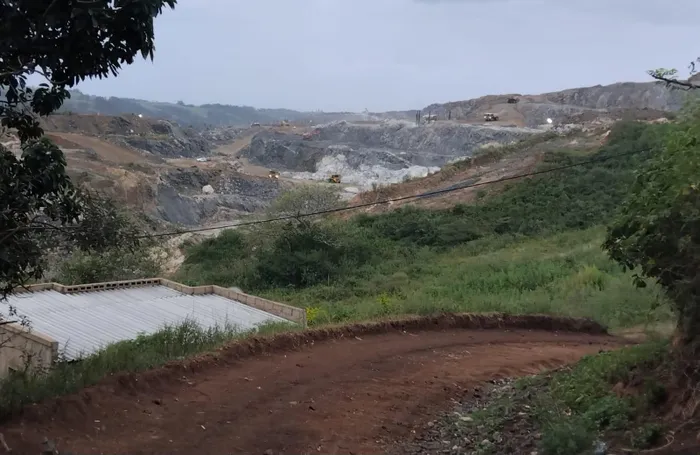
Parliament returns to Umzumbe to assess SA-Lithium mining complaints, as residents raise ongoing concerns over environmental damage, housing destruction and lack of compensation.
Image: Supplied
Parliament’s Select Committee on Public Petitions and Executive Undertakings will return to Magog village in Umzumbe on the KwaZulu-Natal south coast on Friday for a follow-up oversight visit into ongoing complaints against SA-Lithium mining operations.
The visit comes months after the committee adopted a report calling for urgent investigations, environmental audits, and compensation measures following serious allegations raised by residents.
The committee said the purpose of the latest oversight is to assess the progress made and whether its recommendations have been acted on.
The matter stems from a petition submitted in June last year by Michael Sithole on behalf of his family and other affected residents. The petition asked the National Council of Provinces (NCOP) to intervene over what was described as the systematic disregard of mining laws and community rights.
Residents have accused SA-Lithium of operating in Magog village without proper consultation and in disregard of mining regulations.
They said the mining caused severe disruption to daily life.
Among the allegations raised were that open-cast mining was taking place dangerously close to homes, while dust, air pollution, and possible water contamination were affecting the health of residents.
Community members also complained of continuous blasting, which they said had caused cracked walls, collapsing floors, and serious structural damage to houses.
Residents further alleged that the mine’s 24-hour operations created constant noise disturbances, while mining activity had damaged land and biodiversity in the area. They also claimed affected families had not been properly compensated and that ancestral graves had been destroyed or relocated without the consent of relatives.
Community members also claimed repeated complaints to authorities had brought no meaningful response.
Sithole told the committee that Parliament was now the community’s last realistic avenue for Committee relief, warning that court action could follow if no intervention takes place.
During a visit last year, committee members observed mining activity taking place as close as 200 metres from houses. They were also shown areas where graves were allegedly disturbed or destroyed.
The committee recommended that the Department of Mineral and Petroleum Resources, working with environmental authorities and the South African Human Rights Commission, commission an independent audit into SA-Lithium’s legal compliance, environmental impact, and the health effects on residents, with findings to be made public.
It also called for urgent structural assessments of damaged homes, temporary relocation or compensation for families facing safety risks, and the establishment of a transparent compensation and restoration fund to cover property damage, medical costs, and water losses.
Allegations involving grave destruction were referred for investigation by heritage and cultural rights bodies, while the Department of Justice and National Prosecuting Authority were urged to consider possible criminal or civil liability if violations are confirmed.
SA-Lithium was also instructed to engage residents through a formal consultation framework that includes access to information, economic participation, procurement opportunities, and representation.
Government regulators, traditional authorities, and the company were ordered to appear before the committee within six months to report on the implementation of all recommendations.
IOL News