

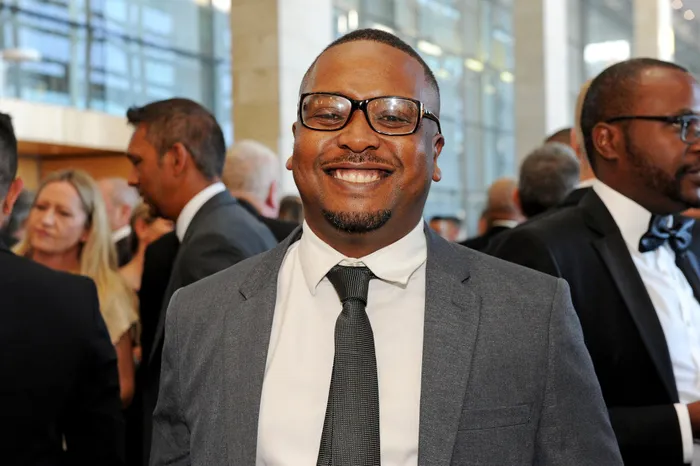
Ayanda Mdluli is the editor of the Daily News.
Image: Picture: David Ritchie/ Independent Newspapers
This week, South Africa's political landscape was rocked by serious allegations leveled against Minister of Police Senzo Mchunu by KwaZulu Natal Commissioner Nhlanhla Mkhwanazi.
These claims, which suggest a troubling nexus between politicians and crime syndicates, have ignited an intense debate across the nation about the kind of society South Africans aspire to.
The fundamental question posed in learned circles is a stark one: Should we opt for a stringent Police State that guarantees safety and order, or accept a reality riddled with crime, drugs, and social decay?
This dilemma underscores an existential crisis that South Africa faces, as citizens reflect on the state of their communities and the future path their nation might take.
On one hand, a strong Police State promises a sense of security enforcement, with measures designed to deter crime and remove the scourge of drug abuse from society. The notion of walking freely at night, ensuring one's family is safe, and providing children with a quality education becomes a palpable reality.
Under such regimes, the goal is a zero-tolerance approach toward drug dealers and violent crime, values that, on the surface, appear aligned with the desire for peace and prosperity.
However, this strict approach often carries the risk of civil liberties being infringed upon, leading critics to question whether a façade of safety is worth the potential authoritarian governance that can accompany it.
The memories of the Apartheid era, when rights were stifled under the guise of public order, linger heavily in the minds of many South Africans.
Conversely, living in an environment saturated with social ills—where drug abuse flourishes, families break down under the weight of poverty and addiction, and violence becomes commonplace paints a somber picture of life in some communities today.
How many lives have been disfigured by drugs? How many young South Africans have turned to crime as a solution to their struggles? The statistics on family breakdowns and lost futures narrate a harrowing tale that many would rather avert.
Reflecting on these choices may elicit a sense of urgency. In recent discussions, some have suggested looking beyond the borders of South Africa for inspiration.
Could a shift towards a zero-tolerance policy on drug abuse, similar to approaches employed by countries such as China, be the answer? As the crisis deepens, calls grow for a proactive stance: a declaration of war on drugs to reclaim lost lives and futures.
The implications of Mkhwanazi’s allegations cut deeply into the trust South Africans place in their leaders.
As citizens confront the question of what kind of society they wish to build, the heavy burden of ensuring that freedom and safety coexist responsibly weighs heavily on the national consciousness.
The ideal society where both liberty and security can thrive seems increasingly elusive, as recent developments have reaffirmed the fragility of the democratic ideals so many fought to achieve.
Ultimately, the path forward in the face of these accusations requires both introspection and action. South Africans must ask themselves what they value most: the unbridled freedom that has defined the post-apartheid era or the undeniable need for safety in the face of widespread criminality.
Choices lie ahead, and the potential for a brighter future rests upon the collective will of the nation to confront its challenges head-on.
DAILY NEWS