

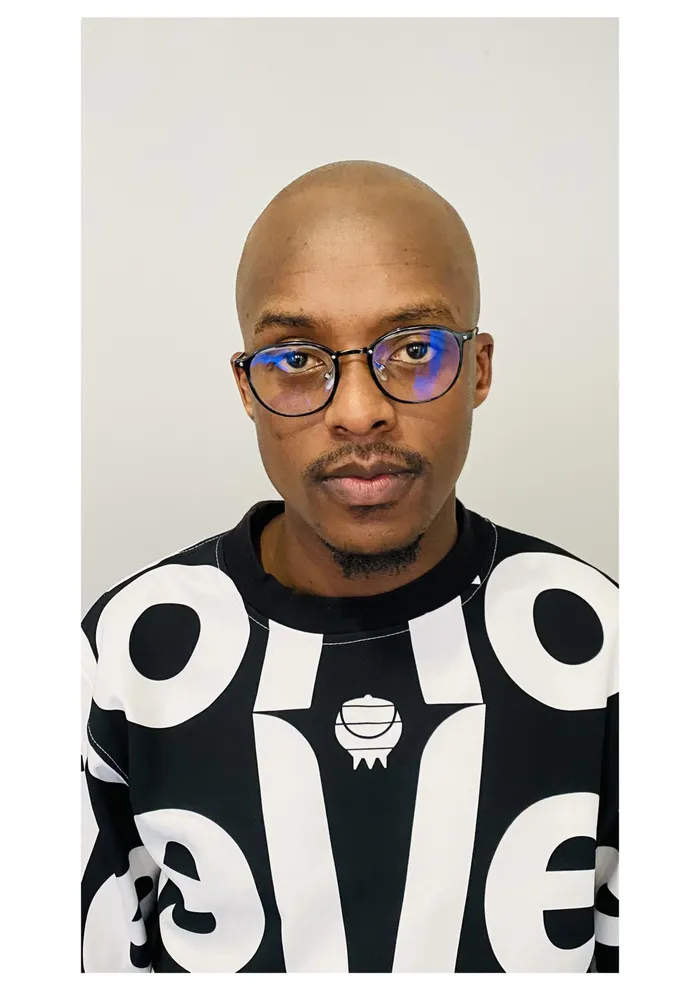
Awam Mavimbela is a registered social worker, former Walter Sisulu University Lecturer, PhD candidate with University of the Free State, and a published author
Image: Supplied
IN A a nation still reeling from rising criminality, unemployment, and economic stagnation, political arrogance is no longer just a public relations blunder, it is a direct threat to societal stability.
South Africa finds itself at a dangerous crossroads where public trust in state institutions is crumbling, and the line between order and chaos is thinning.
The recent wave of reaction to KwaZulu-Natal Police Commissioner, General Nhlanhla Mkhwanazi's allegations is a revealing indicator of how desperate citizens are for honest, fearless leadership amid pervasive corruption and lawlessness.
Meanwhile, arrogance among some political leaders is pushing the nation closer to the edge, echoing the violent tremors of the July 2021 unrest, which were sparked by former President Jacob Zuma’s incarceration.
According to the 2024 South African Police Service (SAPS) crime statistics, murder rates increased by 2.1% from the previous year, with more than 27,000 people killed annually — an average of 74 murders a day.
This spike comes amid widespread reports of police inefficiency, political interference in policing, and lack of accountability. In this climate, figures like General Mkhwanazi have emerged as rare beacons of integrity, challenging political interference in police work and calling out unethical behaviour in real time.
His popularity, which came to the fore once again during marches in Durban and Soweto on Tuesday, is not rooted in charisma, but in credibility and that should concern any political elite coasting on privilege and detachment from the people's lived realities.
South Africans are angry. They are angry about load shedding, about potholes that remain unfilled, about children learning in unsafe schools, and about watching their communities be ravaged by gang violence and drug abuse while leaders give speeches about economic growth that never reaches the township or the rural homestead.
More than 32.1% of South Africans remain unemployed according to Statistics South Africa (Q1 2025), with youth unemployment tragically hovering above 45%.
These are not just statistics, they are fuel to the fire. The July 2021 unrest should have served as a seismic warning. Sparked by Zuma’s arrest, the protest quickly morphed into a broader insurrection, leaving over 350 people dead and costing the economy more than R50 billion.
It wasn’t simply about Zuma, it was about millions of disillusioned people who saw in Zuma’s plight a reflection of their own marginalisation. It was about desperation. The political class’s failure to see that underlying rage was the costliest mistake since the fall of apartheid.
Philosopher and anti-colonial theorist Frantz Fanon warned in The Wretched of the Earth that prolonged exclusion from power and dignity breeds unrest. He wrote that “the colonised man is an envious man,” and that his violence emerges when the system that oppresses him refuses reform.
Fanon was not celebrating violence; he was predicting it. In modern South Africa, we must heed his warning: when the state turns a deaf ear to the cries of the poor, the result is not silence it is rebellion.
Arrogant political behaviour only intensifies this alienation. It manifests in dismissive responses to service delivery protests, in tone-deaf policy pronouncements, in leaders living extravagantly while citizens queue for water from broken taps.
When citizens begin to believe that their leaders are no longer accountable, they start seeking heroes outside the political system — people like Mkhwanazi, who represent courage, fairness, and duty without political theatre.
The more politicians mock the public with indifference, the more they radicalise ordinary people. We saw this in the United States with the Capitol riot in 2021; we see it in Haiti today, where crime syndicates have filled the vacuum left by a failing state.
South Africa is not exempt. We have our own ticking clocks, and they are louder than ever. The state’s role now should be to restore legitimacy by putting capable, ethical leaders in critical positions, ensuring transparent governance, and showing humility in the face of public pain.
Political arrogance must be replaced by accountability, consultation, and sincerity. Leaders who ignore this will not only find themselves on the wrong side of history but may also be remembered as the ones who stood by while the country burned again.
As the elections approach and political rhetoric intensifies, those in power must ask themselves: are we serving the people, or are we serving ourselves? Because if the arrogance persists, if public frustration continues to be met with indifference, the next wave of unrest may not be as easily contained.
Fanon’s prophecy looms large, and South Africa cannot afford to learn the same lesson twice.
*The opinions expressed in this article does not necessarily reflect the views of the newspaper.
DAILY NEWS