

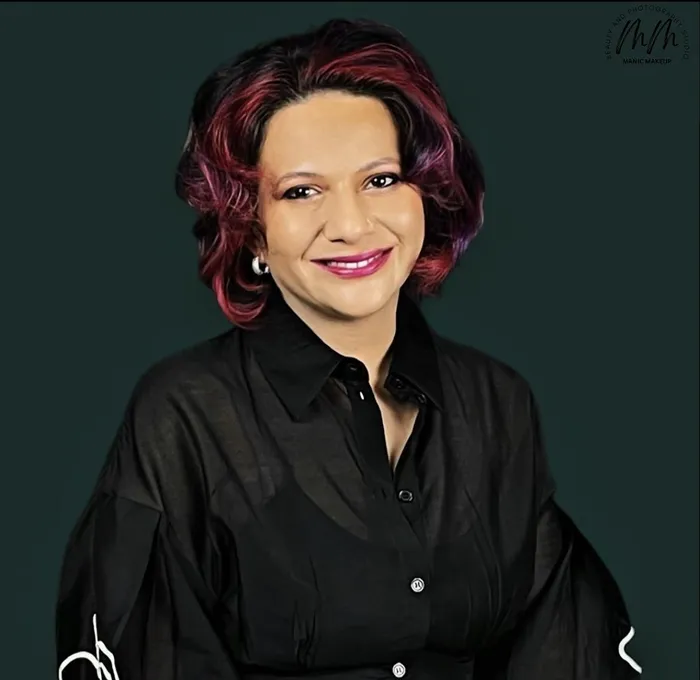
Dr Sheetal Bhoola is a lecturer and researcher at the University of Zululand, and the director at StellarMaths (Sunningdale).
Image: Supplied
The eThekwini Municipality in Durban is facing a severe crisis due to an escalating shortage of burial space.
All 66 municipal cemeteries in the city reached full capacity in 2020, driven by rapid urbanisation, historical mortality surges, and a strong cultural and religious preference for burial over cremation.
The influx of immigration and business development nationally has posed a major problem for urban areas throughout South Africa, where city residents, especially in Durban and Johannesburg, have limited and/or no burial spaces for their deceased loved ones.
This shortage has led to ‘undignified practices’, such as grave re-usage, a pervasive lack of maintenance, and alleged instances of bribery for gravesite acquisition. These issues undermine citizens' constitutional right to a dignified interment according to their beliefs and have profound societal implications, affecting cultural identity, spiritual well-being, and public trust.
Durban's population has swelled to 3.9 million people post-1994, a demographic surge compounded by high historical mortality rates from politically inspired violence before 1994, the HIV/AIDS pandemic, and, more recently, the COVID-19 pandemic.
These cumulative events, combined with population growth, have created an unsustainable demand for burial plots. The widespread practice of reusing graves is a desperate measure that has raised sensitivities and is frowned upon by communities. The decided lack of maintenance in these overcrowded facilities further detracts from the dignity of the burial process for grieving families.
The preference for burial over cremation is a foundational element of spiritual and social identity for many in the population, particularly African traditionalists and African Christians.
A shift to cremation is considered "remote" and would require one or two generations of social change to achieve. For African traditionalists, death is a continuation of life in a new phase, and continuous communication is maintained with ancestral spirits.
The deceased person's bones and sanctified burial place become very important and therefore should not be disturbed by anyone. African Christian communities also believe that a body must be buried in the ground out of respect, and that failure to adhere to burial rituals can lead to bad consequences for the living.
The Commission for the Promotion and Protection of the Rights of Cultural, Religious and Linguistic Communities (CRL Rights Commission) has stated that "cremation should not be forced on families" and that the reuse of graves "haunts people's beliefs and cultural systems."
The CRL Commission concludes that the practice of grave reuse is a "violation" of community rights and a "disrespectful way of trying to solve the problem." This deep-seated cultural imperative means that any municipal policy that permits grave disturbance or re-usage constitutes a profound violation of cultural and religious rights.
The provision of adequate burial space is a constitutional obligation. The South African Charter of Religious Rights and Freedoms mandates that the state must "consider religious needs" when developing land and that every person has "the right to private access to sacred places and burial sites relevant to their convictions."
The eThekwini Municipality, therefore, has a fundamental responsibility to provide adequate, affordable, and dignified burial space.
However, the current situation forces citizens into a private market, where a dignified burial can be prohibitively expensive and unaffordable for many. In addition, these circumstances create the spaces for people to be overcharged for their loved ones to be buried.
This creates a two-tiered system where constitutional rights are only accessible to those who can afford private services, highlighting a critical governance failure. The crisis has also created a perverse incentive for corruption.
The "immense shortage" of gravesites has led to "bribes being sought for the acquisition of gravesites," a practice that was allegedly prevalent during the COVID-19 pandemic. This illegal activity places an unbudgeted and exploitative financial burden on grieving families.
The act of paying a bribe for a grave transforms a solemn rite into a corrupt and transactional experience, profoundly eroding public trust in local government. The inability to bid farewell to loved ones according to deeply held beliefs, coupled with undignified conditions and ongoing corruption, creates widespread social distress and a sense that fundamental rights are being denied.
To address this crisis, immediate and decisive action is required. There is an urgent need to purchase land to increase burial capacity, and a measure needs to be in place to curb the corruption.
More importantly, those who are impoverished require adequate facilities to bury their loved ones. The crisis, with its implications for human dignity, public health, and social stability, needs urgent address.
The solution must include not just the purchase of land, but a transparent and affordable pricing structure for gravesites in municipal cemeteries. The municipality must also commit to substantial and sustained investment in the maintenance of new and existing cemeteries to provide a dignified environment.
Furthermore, it must formally adopt and adhere to the recommendations of the CRL Rights Commission, ceasing the practice of grave re-usage without explicit consent.
Ultimately, a comprehensive long-term master plan for burial space is needed to anticipate future population growth and ensure sustainable, dignified burial solutions for generations to come.
*The opinions expressed in this article does not necessarily reflect the views of the newspaper.
DAILY NEWS