

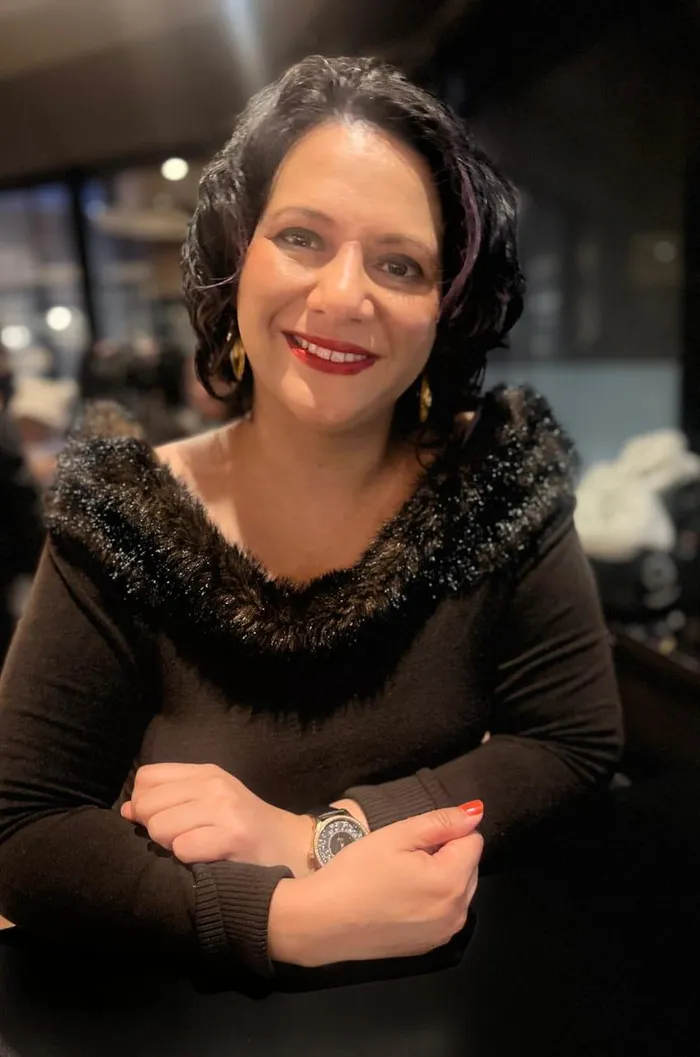
Dr Sheetal Bhoola is a lecturer and researcher at the University of Zululand, and director at StellarMaths (Sunningdale)
Image: Supplied
Every day in South Africa, the unthinkable happens. On average, more than three children are murdered, and 58 are sexually abused. In the last financial year alone, over 26,000 cases of child abuse and neglect were officially reported.
This isn't just a collection of statistics; it's a national crisis unfolding in our homes and communities, a silent epidemic that threatens the very future of our nation.
The grim reality is that South Africa's child homicide rate is nearly double the global average. While laws like the Children's Act exist to protect the vulnerable, their implementation often falls short, leaving thousands of children trapped in cycles of poverty and violence.
Children born into disadvantaged homes are often neglected from the start, with limited access to nutrition, education, and basic care, crippling their chances of a successful adult life.
This neglect is not always as visible as physical abuse, but it is just as damaging. It's fuelled by widespread poverty, the breakdown of family structures, and failing municipal services that leave caregivers without the resources to provide for their children.
In many households, elderly grandmothers have become primary caregivers, often struggling with their own ill health and financial strain, unable to escape the poverty that engulfs them.
Organisations such as Childline advocate for the protection and rights of children, and the TeddyBear Foundation, located in Johannesburg, has a pivotal role in healing and trauma recovery for children and families of the abused.
These organisations facilitate the comprehension and identification of what defines child abuse and child neglect, and what is socially described as an unhealthy environment for children to thrive in.
The Cape Town Child Welfare Society is the oldest society in South Africa, which began in 1908 and is the second largest child welfare society still operational and dedicated to overcoming this overwhelming challenge.
A year later, the Johannesburg Child Welfare Society was established and currently runs multiple programmes from five central child care facilities to address the many challenges children face.
Child Welfare Durban and District (CWDD) is the largest child welfare society in South Africa. Handling over 3,500 active cases, their work covers everything from child protection and family reunification to providing safe homes for children who have been statutorily removed from their homes and relocated to Child and Youth Care facilities.
CWDD operates two Child and Youth Care facilities - William Clark Gardens/Othandweni and Lakehaven - which provide a home for children who have been removed from their families due to abuse, neglect, or abandonment.
These centres are more than just shelters; they are places of healing and growth, where children receive therapy, education, and the stable, loving care they desperately need.
What makes this incredible work possible is not a wealth of government funding, but the unwavering dedication of volunteers. CWDD is governed entirely by volunteers who take on the immense responsibility of protecting the city's children - a duty that should primarily be a state obligation.
The government provides only 40% of the funding needed to run these essential services. The rest - a staggering 60% - must be raised by a small group of volunteers. This raises serious questions about the role of the so-called 'developmental state.'
The unsung heroes are the lifeblood of the organisation. They are the volunteer board members steering the ship, the fundraisers battling for every rand, and the mentors spending precious time with the children. They organise events, secure donations, and tirelessly advocate for those who have no voice.
Without this volunteer army, CWDD would cease to exist. The 130 dedicated staff members, including social workers and childcare professionals, depend on this support to do their life-saving work.
The role these volunteers play is a critical and commendable effort to fill a service gap that would otherwise leave thousands of children with no safety net at all.
The reality is that child protection services are chronically under-resourced. As one dedicated Child & Youth Care Worker puts it, "The need is so great and ever-growing... but resources are dwindling."
Recent budget cuts have pushed many child protection organisations to the brink of collapse, making the work of CWDD and its volunteers more critical than ever.
Protecting our children is not someone else's problem; it is a collective responsibility. The future of our nation depends on the well-being of our youngest and most vulnerable citizens.
Child Welfare Durban and District and other child welfare societies are on the front lines of this battle, but they cannot do it alone. They need the help of the citizenry – businesspeople, professionals, and ordinary volunteers.
Whether you can offer your time as a volunteer, make a financial contribution, or simply spread awareness, your support can make a world of difference. It can help provide a warm bed, a nutritious meal, a quality education, and a chance for marginalised children.
Let us not be a nation that painfully ignores the reality of child abuse and neglect. Let us be a community that rises to protect its own in the face of a seemingly indifferent state.
*Child Welfare Durban and District has its Annual General Meeting at William Clarke Gardens Child and Youth Care Facility in Sherwood today.
*The opinions expressed in this article does not necessarily reflect the views of the newspaper.
DAILY NEWS