

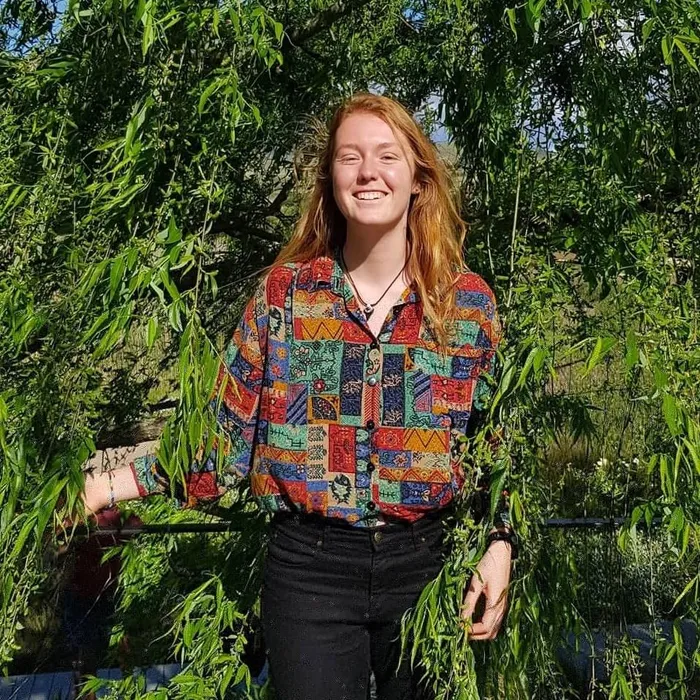
Dona van Eeden is a researcher at the Endangered Wildlife Trust
Image: Supplied
The data collected during Environmental Impact Assessments is critical to biodiversity conservation in South Africa.
Yet, much of this information is lost once the public participation process to secure an approved EIA for a planned development.
It is a paradox that needs to be addressed in order to ensure that conservation decisions made are based on reliable data.
During my research to understand what the barriers are to accessing the rich array of data collected by biodiversity specialists during EIA processes, I found that despite the treasure trove of data gathered annually, much of it remains inaccessible to scientists, policymakers, and conservationists.
This is data that can impact conservation decisions, track ecosystem changes, and support sustainable development and evidence-based policymaking. Yet, this data remains largely inaccessible as a result of barriers ranging from legal challenges to logistical concerns. It is information that quite literally disappears regardless of its importance.
Addressing this data-sharing gap is not just a national matter, but is part of a growing global concern. It is an issue that is being dealt with in a number of ways, including the publication of policies and guidelines to support the use of collected data in environmental decision-making.
For instance, the European Biodiversity Network project has provided best practices and advice for data sharing and publishing, while the recent Task Force for Nature Related Financial Disclosure publication recommended data disclosures from companies and financial institutions that show both their impact and reliance on nature. Additionally, the Global Biodiversity Information Facility has a comprehensive set of best practices for sharing the biodiversity data gathered during EIAs.
New international frameworks and guidelines focus on getting companies and cities to measure and disclose several targets including biodiversity. Among these are the Global Reporting Initiative and the Sciences Based Targets Network. This growing global focus on the importance of open and accessible data reflects a broader recognition of its critical role in addressing environmental challenges.
The Untapped Potential of EIA Data
EIAs are mandatory for development projects that may impact the environment. These assessments involve biodiversity specialists who survey areas to locate populations of Species of Conservation Concern (SCC) and their habitats. It is a process that generates valuable biodiversity data, including data on species distributions, habitat conditions, and ecological interactions.
But, much of this data is siloed within private consultancy reports—documents that can offer critical insights into biodiversity trends, species distribution, and conservation priorities, become lost once the 30-day public participation process is complete. This is because of the amount of time it takes to sift through each document before it is withdrawn from the public domain.
In an effort to address this, the South African government updated its EIA protocols in 2020 mandating that biodiversity specialists upload evidence of SCCs, such as photographs or sound recordings, to recognised online biodiversity databases like iNaturalist. Despite the requirement, compliance remains low.
My research shows that the compliance barriers range from lack of follow-up about non-compliance of data sharing to concerns about data privacy and misuse.
Time constraints and workload are amongst the most significant challenges to data sharing protocols. Those who do comply feel frustrated with raised bulling concerns, while others pointed to external pressures, such as developer demands to expedite the EIA process, which can compromise the thoroughness of data collection and sharing.
With regard to the fear of data misuse and ambiguity over data ownership, I found that specialists worry that making biodiversity data publicly available could lead to poaching or exploitation by developers. For example, information about rare plant species might be misused to justify habitat destruction prior to the EIA process rather than protection following the process.
Legal ambiguity around data ownership further complicates matters. Since biodiversity specialists are typically hired by Environmental Assessment Practitioners (EAPs), who are in turn contracted by developers, questions arise over who owns the data collected during the EIA process. But, the South African EIA protocols are clear: data sharing of SCCs is compulsory and may not be hindered by non-disclosure agreements with developers.
Major concerns about the lack of enforcement by the competent authorities (provincial authorities) could be attributed to due to a dearth of appropriate training to review reports linked to the updated 2020 EIA protocols and related documents. Because there is limited follow-up by regulatory authorities to ensure data-sharing compliance, specialists often skip this step without facing consequences. The lack of enforcement creates a situation where non-compliance becomes the norm rather than the exception.
EAPs and specialists also feel under pressure from developer demands for quick and cheap processes, rather than quality work. This can compromise the thoroughness of data collection and sharing during EIAs.
The fact that developers pay for service providers to evaluate the suitability of their proposed development goes to the heart of the overall quality of biodiversity data available in South Africa.
This largely recognised as a fundamental flaw in the EIA process.
Overcoming challenges of data sharing
To address these challenges targeted interventions are essential. Compliance would foster a culture of responsible data sharing and collaboration among all parties involved in the EIA stakeholder ecosystem. By addressing the barriers that specialists face with sharing their data on SCC, specialists can be empowered to do their work thoroughly.
Building collaborative networks and trust can play a significant role in promoting data sharing. This requires transparent communication, clear guidelines on data usage and ownership, and reliable sources of information and support. Involving professional bodies and fostering collaboration among universities, conservation agencies, and relevant organisations can contribute to building trust and ensuring responsible data sharing practices.
As the authority responsible for approving developments after evaluating EIAs, the Department of Forestry, Fisheries, and the Environment (DFFE) should take responsibility for updating stakeholders and ensuring compliance with EIA protocols, and ensure these are enforced.
Continuous capacity building for the primary stakeholders in the EIA ecosystem, the specialists, EAPs, and the competent authorities, is essential it would improve SCC observation, identification, and dissemination.
Biodiversity data gathered during EIAs in South Africa represents an untapped resource with immense potential for research, conservation and sustainability. By bridging the gap between data availability and access, biodiversity conservation decisions will be more sound.
Feeding information into species distribution models, such as the National Web-based Environmental Screening Tool, could make estimates of species occurrence more robust, reliable and up to date. It will also better inform EIAs and provide a check on EIA data reliability, enabling people to make better and more informed land use decisions. This, in turn, will lead less duplication and increase potential for fewer impacts on SCC, leading to more sustainable development.
In an era of unprecedented environmental challenges, data are not just an asset - but also a responsibility. By sharing it, we can ensure that the rich ecosystems and precious natural resources of South Africa are conserved for generations to come.
*This article draws on research conducted by Dona van Eeden in her thesis “Mobilising Biodiversity Data Gathered During Environmental Impact Assessments in South Africa” at the University of Cape Town. Supervisors: Dr. Christopher Trisos (UCT), Dr. Oliver Cowan(Endangered Wildlife Trust).
The opinions expressed in this article do not necessarily reflect the views of the newspaper.
DAILY NEWS