

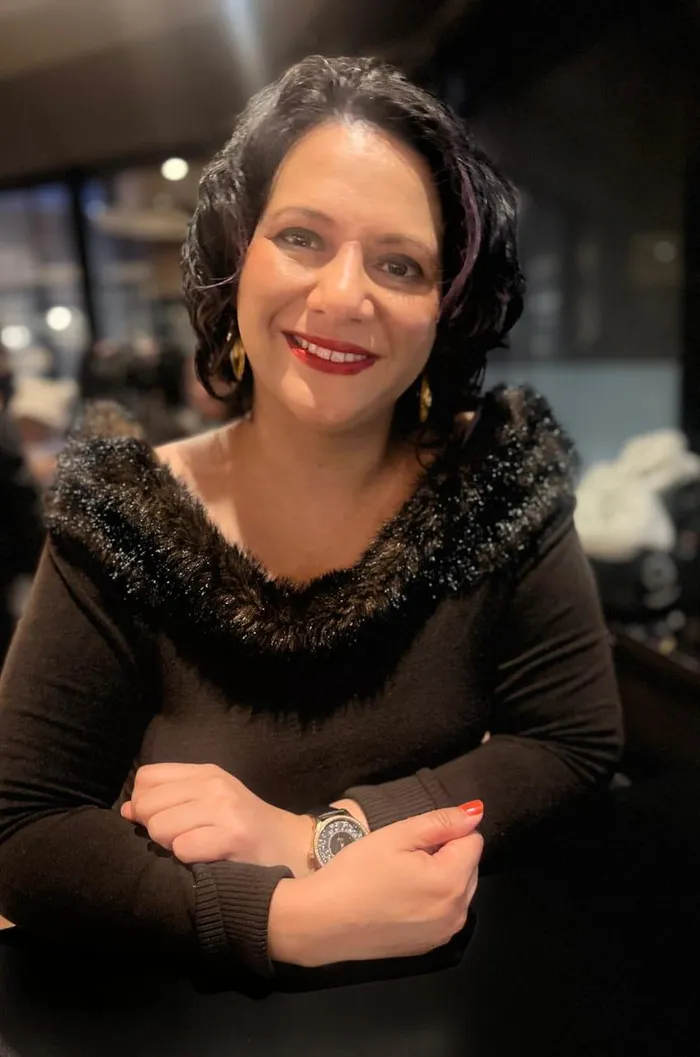
Dr Sheetal Bhoola is a lecturer and researcher at the University of Zululand, and director at StellarMaths (Sunningdale)
Image: Supplied
The various forms of violent acts which include interpersonal, structural and technology facilitated in South Africa continue to escalate despite the awareness initiatives primarily through social media platforms, multiple organizational awareness campaigns, and journalistic reports.
Our judiciary, on the other hand, attempts to bring to the fore accountability and imprisonment for the perpetrators. The legal framework stipulates that for crimes related to gender-based violence, there is a minimum of 3 years imprisonment just for the intention to cause harm.
Rape, femicide as well as aggravated sexual offences are all penalized with life imprisonment. In some instances, more than one life sentence is given to a perpetrator in cases where the perpetrator is guilty of more than one rape and murder or if the crime is a combination of violent criminal acts.
Yet these harsh sentences do little to deter crime as we are still struggling with increased incidents of violence nationally.
The number of crimes related to life insurance financial gains has been increasing, and investigators in the Eastern Cape have indicated that a life cover as a monetary source is now becoming a key motivating for murder and in many cases, more than one murder attempt.
At the end of December 2024, Senzo Mchunu identified an escalating number (67) of murders all related to substantial insurance claims post the death by family members and relatives in The Eastern Cape.
This number can be inaccurate as we are really unaware of the full disclosure of these statistics because of the high levels of corrupt networks and money laundering that has been ongoing in South Africa over the last 2 decades.
Overall, in the year 2024, South Africa recorded approximately 5500 fraudulent life insurance claims, but the documented number of cases found guilty of murder were only 38.This is a low statistic considering the pool of fraudulent cases is in the thousands.
Gauteng, The Eastern Cape and KwaZulu-Natal rank the top three provinces that have prevalence in life insurance fraud. In 2022, Sithembile Xulu (a nurse) was charged with murdering her domestic worker in Gauteng, and this incident preceded a payment of six million rands from multiple insurers.
In KwaZulu-Natal, there is an ongoing investigation that involves three former nurses who took out insurance policies on a patient at Apple Bosch Hospital without his family’s knowledge or permission.
The nurses have resigned since theonset of the investigation, and the Department of Health was responsible for initiating the investigation process. SAPS is conducting the criminal probe, and the Special Investigation Unit is now pursuing the case.
A Cape Town businessman was murdered under mysterious circumstances in 2025, only for investigators to later uncover that his estranged wife had insured his life for millions. This investigation is current and ongoing.
Most policies associated with a planned and intent to murder are taken out near the time of the victim’s death and the fine print often is inclusive of unnatural death clauses bypassed the pay outwaiting periods.
The fact of the matter remains that criminality will continue to thrive in all its forms partially and fully motivated by the acts as a financial resource. The stagnating economy has not been able to create employment and profits from small and medium enterprises have all declined at the onset of a declining economy.
Daily we hear of how exclusive and unlawful practices continue to dominate business opportunities in South Africa via the mask of BEE.
This framework has not contributed towards employment or aided in boosting the economy of all citizens. Only the elite have benefitted and in particular those that have close ties with government and municipal employees.
Our increasing criminal statistics have an interconnectivity with poverty, unemployment and the rising cost of basic necessities such as food and medicines.
South Africa needs to connect the dots and work on a strategy to alleviate ourpeople from poverty so that we can develop a healthier and happier society.
*The opinions expressed in this article do not necessarily reflect the views of the newspaper.
DAILY NEWS