

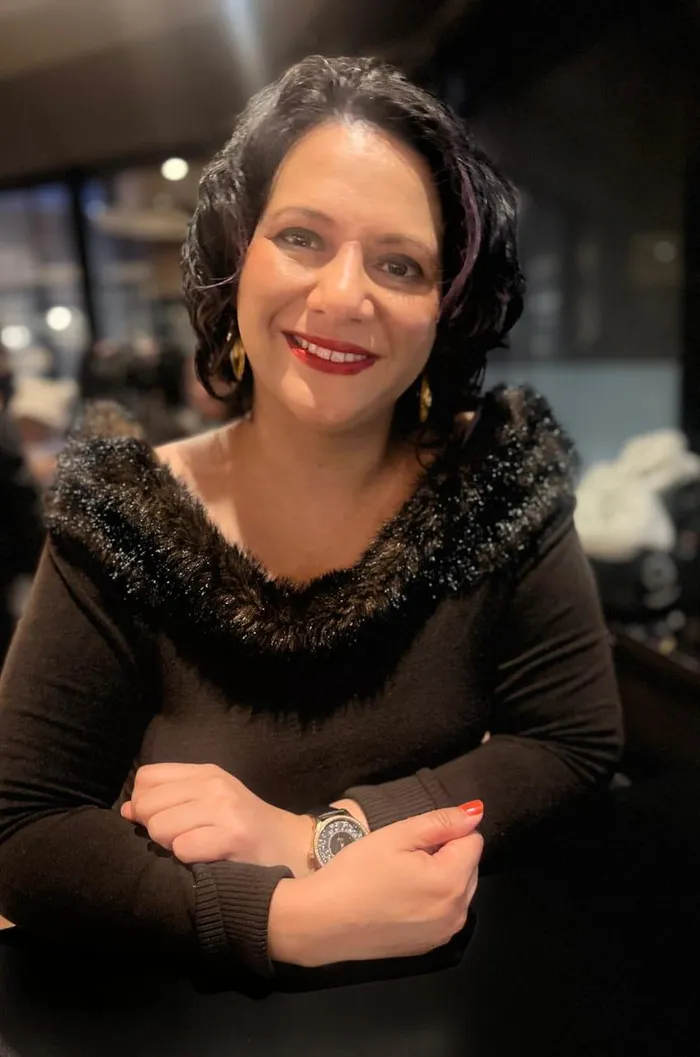
Dr Sheetal Bhoola is a lecturer and researcher at the University of Zululand, and director at StellarMaths (Sunningdale)
Image: Supplied
The psychological trauma, anxiety and secondary stress that have been imposed on us through the ongoing events of war and media coverage have been detailed, graphic and impactful, with live televised happenings and imagery of dying people, bombings and infrastructure destruction.
The ability and accessibility of these visuals reinforce that violence, mass murder and nuclear war are the new norm in our society. The extended period of war has forced us to resume daily activities as usual and dim our sense of humanitarianism, peace and global unity.
These life values are now purposefully neglected as a means of survival, and yet, for some, the war and its impact on people in terms of displacement, loss of lives, livelihoods and dignity are not fully understood within the context of there and here. This perception and lived experience influence our next generation, who then learn to normalise such behaviours. South African society has become desensitised to violence, war and discrimination.
South African learners are now being taught that it is perfectly acceptable and necessary to undermine violent and inhumane behaviour that goes against humanity, peace and respect for all, irrespective of nationality, religion and geographical location.
The indirect educational, psychological and social impacts of international conflicts are often undermined and hardly ever discussed, especially with children. Children can learn about wars, their dangers and their detrimental global economic impact, but at the same time they can also learn to become vocal and express their concerns and opinions about these circumstances.
For many South African learners, it is an opportunity to learn about global politics and understand how international politics impact global economies.
South Africa imports approximately 70% of its crude oil because it has limited local crude oil production and is heavily reliant on refined crude oil from international destinations. At present, imports come from the Middle East, Nigeria, Ghana and a small percentage from the USA.
Learners exposed to violence, whether directly or indirectly, experience some form of psychological and social trauma. International visuals can influence children to behave in violent ways, become aggressive and normalise a lack of dignity between people of different nationalities. In other circumstances, continual direct or indirect exposure to war and violence has the potential to disrupt cognitive function, negatively impact concentration and increase anxiety in children.
This anxiety is often related to global safety concerns, which then extend to concerns about personal safety in South Africa. Humanitarian organisations report that global conflicts have led to rising attacks on schools worldwide, including a 44% increase in 2024.
Children require a sense of stability, both in the present and in the future, and the fact that this war has continued for more than one month is overwhelming. Children often empathise deeply with those affected, and this can affect their own emotional stability and mental health.
Children will question their future stability in South Africa in relation to the violence they become aware of nationally and internationally. War-related global economic instability can worsen food insecurity, affecting school nutrition programmes, fuel price hikes impacting school transport and budget reallocations that place further strain on education spending.
Children are becoming more aware of xenophobia and global social tensions among themselves and adults. These circumstances also highlight deeply rooted inequality in South Africa, as well as the importance of coloniality, decoloniality and global transitions in the economy and politics at large.
Scholarly research and journalistic reports have indicated that ethnic and racial discrimination, as well as xenophobia, still exist among the new generation of South Africans, even though the country is 30 years into democracy. Global conflict, along with a lack of respect for human rights, dignity and compassion for others, underscores the need for peace education in schools and tertiary education systems.
Conflicts such as these can also lead to an influx of immigration into South Africa and, as a result, contribute to xenophobic perceptions and related behavioural deviations.
Misunderstandings about global conflicts and debates centred on the rights and wrongs of war crimes can also contribute to the segregation of communities within broader society and, in turn, within schools.
It is therefore important that schools in South Africa adopt strong peace education programmes to counter these tensions, so that young people are better prepared to contribute towards a cohesive society.
Peace education research notes that South Africa needs stronger curriculum integration to help learners understand conflict, reduce xenophobia and develop conflict-resolution skills. The curriculum is currently implemented inconsistently in this area.
*The opinions expressed in this article do not necessarily reflect the views of the newspaper.*
DAILY NEWS