

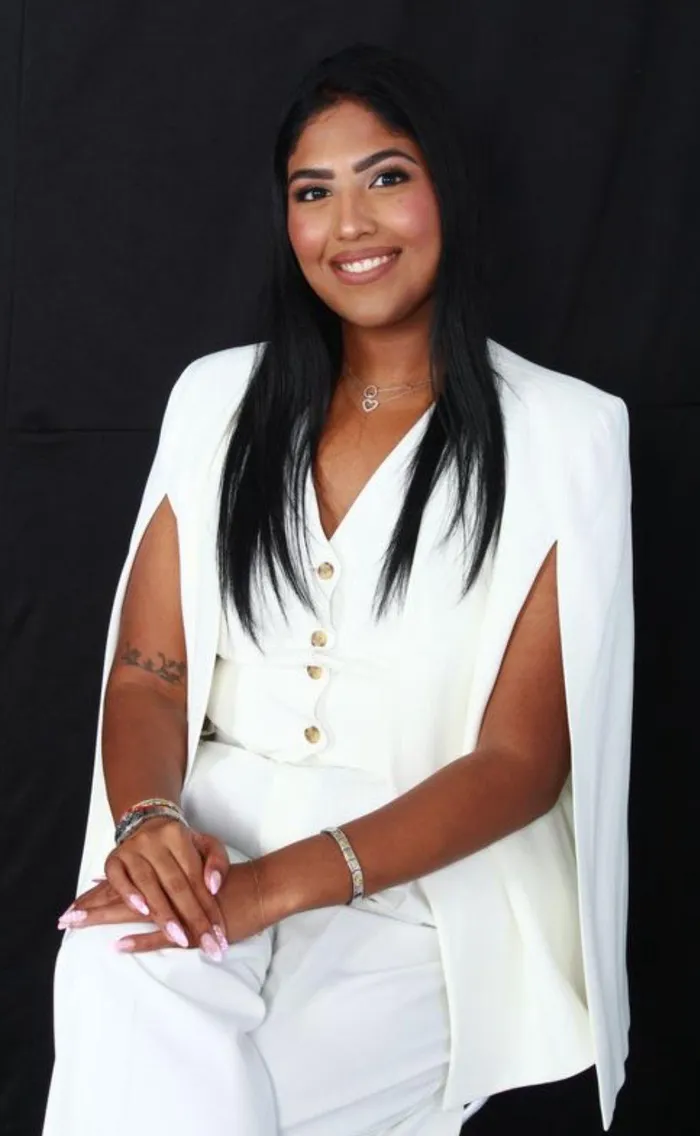
*Seshni Moodley is an admitted attorney, director of Seshni Moodley attorneys incorporated , with expertise in digital, civil and criminal law. She holds a masters in human rights law and is currently pursuing her PhD in human rights law.
Image: supplied
What began as a slow transformation in South Africa’s marriage law has now accelerated dramatically. For decades, South African law treated many Muslim marriages as if they existed in a parallel universe. In family life, they were real, but in family and civil law, marriages solemnised under Islamic law were invisible.
This invisibility resulted in various painful consequences, leaving spouses without access to maintenance, inheritance, or the courts’ protective powers when relationships broke down. These gaps are starting to close with recent legal and legislative developments. This article explains what has changed, why it matters for human rights, and what practical questions remain for Muslim families and legal practitioners.
The Constitutional Court of South Africa found that the Constitution’s guarantees of equality, dignity, and children’s rights were violated by excluding Muslim marriages from the Marriage Act and Divorce Act. Parliament was ordered by the Court to amend the laws and to protect the interests of women and children in Muslim marriages. Parliament and Cabinet responded.
The Divorce Act was amended in 2024 to include a definition of a Muslim marriage and to give courts powers to redistribute assets, order forfeiture of patrimonial benefits where appropriate, and safeguard the interests of minor and dependent children on dissolution. The Divorce Amendment Bill was signed into law in May 2024. The most important practical consequence is that spouses in Muslim marriages can now access the same civil remedies available to couples married under the Marriage Act.
In terms of administrative measures, the Department of Home Affairs South Africa has begun issuing certificates and enabling the registration of Muslim marriages. This is a practical step that assists families in accessing benefits and court remedies that were previously out of reach.
The recent reforms advance several constitutional values: they promote equality by removing a legal distinction that disadvantaged a religious community; they uphold dignity by ensuring spouses have access to civil remedies that protect economic security and family life; and they protect the best interests of the child by giving courts supervisory powers to safeguard minor children born of Muslim marriages.
These are not abstract gains. For many women in Muslim marriages, recognition now means access to interim maintenance orders, a fair division of assets where warranted, and meaningful legal remedies when a marriage breaks down.
After the 2024 amendments, litigation tested how the new rules would operate in practice. A recent High Court ruling illustrates why these protections matter. The court made it clear that a unilateral religious pronouncement of talaq (an Islamic form of divorce) cannot be used as a procedural escape hatch to deny a spouse access to civil remedies.
Attempts to argue that a marriage has been ended under religious law so that civil courts have no jurisdiction were rejected. That decision reinforces the principle that religious practice and civil obligations operate in different spheres. Religious rites may have spiritual or communal significance, but they do not automatically extinguish the state’s responsibility to uphold constitutional rights. In other words, a husband cannot rely on a unilateral religious act to avoid the civil consequences of separation.
The reforms are a major step forward. They mark the beginning of a longer process rather than its completion.
One of the issues for consideration is that of polygyny, which raises complex questions that will require careful judicial development. South African law already recognises certain polygynous unions in customary law.
The interaction between polygyny under Islamic law and civil remedies will need to be worked out on a case-by-case basis. Issues such as how to divide assets fairly among multiple spouses, how maintenance obligations are allocated, and how inheritance claims are resolved will test courts and legal practitioners. The law provides tools, but the application of those tools in polygynous contexts will demand nuanced and fact-sensitive adjudication.
Recognition is only meaningful if people can access justice. Legal reform on paper will not automatically translate into protection for the most vulnerable unless there is investment in legal aid, community education, and culturally competent legal services.
Many women who stand to benefit from the reforms may not know their rights, may lack the funds to consult a lawyer, or may face social pressures that make it difficult to assert their claims. Government and civil society must prioritise outreach so that the reforms reach the people they were designed to protect.
If you are in a Muslim marriage, practical steps matter. Consider registering the marriage with Home Affairs, seek advice about antenuptial contracts and estate planning, and, if separation is imminent, act quickly to secure interim maintenance and other protective orders. If you are a lawyer or advocate, prepare to litigate and to advise clients on the new tools available, and document facts carefully so that courts can apply constitutional principles to the realities of family life.
South Africa has taken a significant step toward aligning family law with constitutional values. The recognition of Muslim marriages and the legal tools now available to protect women and children correct a longstanding injustice.
The work ahead is practical and involves ensuring registration, building legal capacity, and allowing courts to develop a body of jurisprudence that balances respect for religious practice with the imperatives of equality, dignity, and the best interests of the child. For many Muslim families, these reforms will mean the difference between vulnerability and protection. This is precisely what constitutional rights are meant to deliver.
*The opinions expressed in this article do not necessarily reflect the views of the newspaper.*
DAILY NEWS