

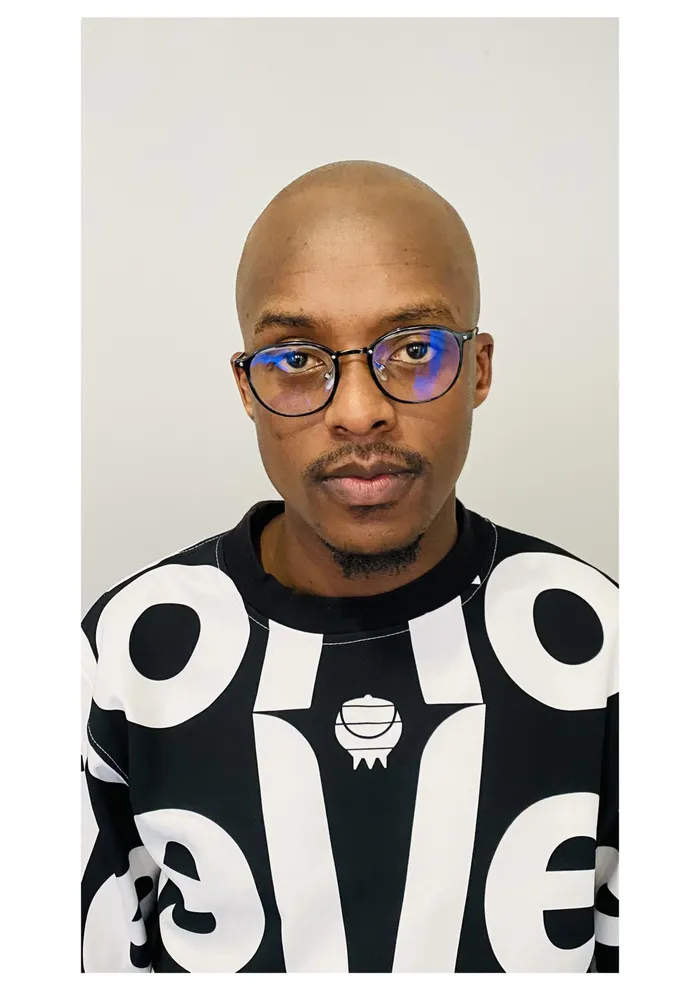
Awam Mavimbela is a South African academic, registered social worker, and researcher focused on social development, education, and public policy. He lectures at the University of Mpumalanga and has previously served at Walter Sisulu University, while pursuing doctoral studies at the University of the Free State.
Image: Supplied
As Freedom Day approaches, it forces an uncomfortable but necessary question: what does freedom really mean if access to justice still depends on money, particularly the ability to afford quality legal representation?
On paper, South Africa has one of the most progressive Constitutions in the world, promising equality before the law. However, in practice, that equality does not always translate into lived reality. The issue is not only whether rights exist, but whether individuals are able to exercise them effectively when it matters most.
The recent legal matters involving Julius Malema make this inequality more visible. This article does not concern itself with his political position, but rather uses the case analytically to examine access to justice.
One thing is clear: he has access to strong, high-quality legal representation. Advocates such as Tembeka Ngcukaitobi are recognised for handling complex constitutional issues and presenting well-structured arguments in court. This level of representation involves more than knowledge of the law; it requires strategic thinking, preparation, and the ability to influence how a case is understood by the court.
Such legal capacity is not equally available to the majority of poor South Africans. High-quality legal representation is resource-intensive and often expensive. It allows for detailed case preparation, careful examination of evidence, and the raising of technical and constitutional arguments. From a social justice perspective, this raises serious concerns about those who rely on under-resourced legal support and may be disadvantaged as a result.
This level of legal support can significantly shape case outcomes. A well-prepared lawyer can challenge weak evidence, raise procedural issues, and, where necessary, pursue appeals. While this does not mean the legal system itself is unjust, it does demonstrate that the effectiveness of justice depends on how the law is engaged.
In contrast, the experience of many ordinary South Africans is markedly different. Although legal representation is often provided through state institutions, these systems are frequently under pressure and under-resourced.
Legal practitioners may handle large caseloads, limiting the time and attention they can give to each matter. As a result, having a lawyer does not always mean receiving effective representation. Legally, one is represented in line with constitutional obligations; however, the quality of that representation often determines whether rights are fully realised or undermined.
The difference is clear. One individual may have limited consultation time with their lawyer and minimal preparation before appearing in court. Another may have access to a full legal team, extensive preparation, and the financial ability to continue litigation if necessary. Both appear before the same court, yet they do not stand on equal footing.
This creates a paradox. Freedom is guaranteed to all, yet access to justice is shaped by economic position. Those with financial resources can secure experienced legal professionals, seek multiple opinions, and sustain lengthy legal processes. Those without such resources must often accept whatever assistance is available. In many cases, legal outcomes are accepted not because they are fully satisfactory, but because pursuing further action is financially or practically impossible.
These inequalities are rooted in South Africa’s historical context. Colonialism and apartheid systematically limited access to education, economic opportunity, and professional spaces for the majority of the population. Although the legal system has transformed significantly since then, the effects of this history remain visible. Access to high-quality legal services continues to reflect broader patterns of inequality.
In this context, the Malema case is not about an individual, but about what it reveals. It highlights that justice is not only shaped by laws and judicial processes, but also by access—specifically, who can afford effective legal representation and who cannot. It reflects a broader reality in which constitutional rights exist, but are not equally experienced.
Freedom Day is meant to celebrate equality and democracy. However, it should also serve as a moment of reflection. If two individuals can enter the same legal system with vastly different capacities to defend themselves, then equality before the law remains incomplete.
South Africa has the legal framework to ensure justice. The ongoing challenge is ensuring all citizens, regardless of economic status, can meaningfully access it. Until then, freedom will remain uneven—present in principle, but not fully realised in practice.
*The opinions expressed in this article do not necessarily reflect the views of the newspaper.*
DAILY NEWS