

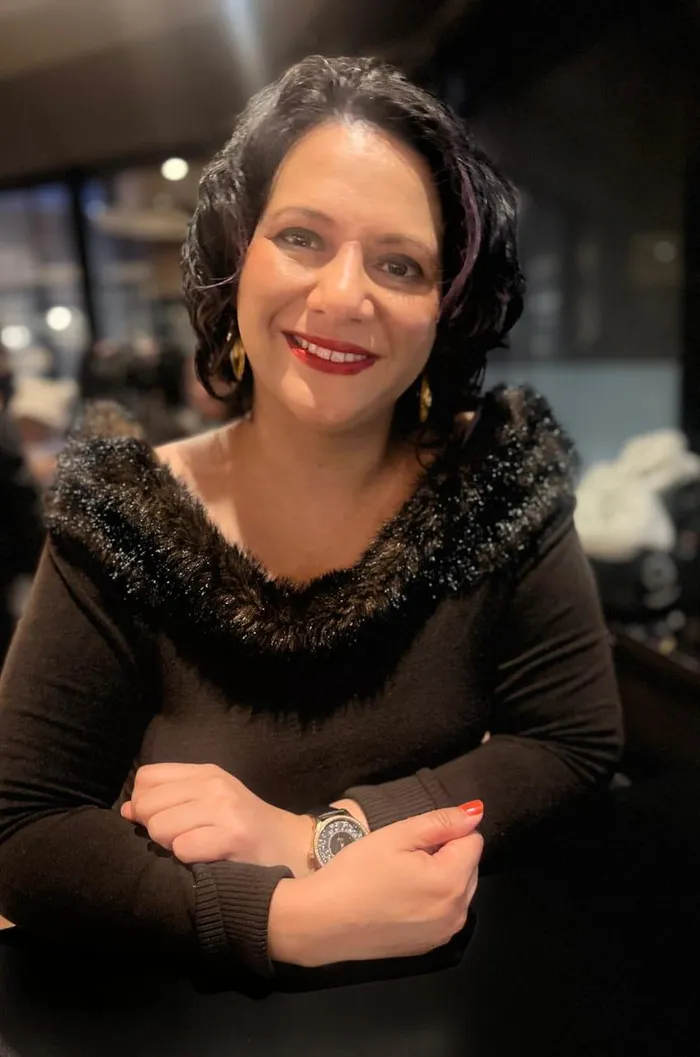
Dr Sheetal Bhoola is a lecturer and researcher at the University of Zululand, and director at StellarMaths (Sunningdale)
Image: Supplied
Child Protection Month (CPM) is commemorated annually in May and is led by South Africa’s Department of Social Development (DSD) in partnership with other government departments, civil society organisations, faith-based bodies, and communities. The campaign aims to promote the rights, safety, and wellbeing of children, and to mobilise society to prevent and respond to child abuse, neglect, exploitation, trafficking, and violence.
As South Africans continue to commemorate Child Protection Month, disturbing cases of child sexual abuse, statutory rape, trafficking, and violence persist in spaces that have long been regarded as safe. These include homes, schools, places of religious practice, and broader community environments.
Multiple media reports in early May 2026 highlighted a sharp rise in child sexual abuse and statutory rape cases. Statistics for 2024 revealed that approximately 33% of women in South Africa had experienced physical or sexual abuse during their lifetime (Chetty, 2026). This reality persists despite ongoing public discourse and awareness campaigns addressing violence against children. Once again, spaces traditionally considered safe are increasingly recognised as dangerous, with perpetrators often embedded within these environments.
A recent case involving a 12-year-old girl in Dobsonville, Soweto, underscores this concern. The child was allegedly raped by a man regarded as a community and religious leader, as well as a political figure respected within both the church and the wider community. The incident sparked national outrage, amplified by widely circulated videos on social and mainstream media, as well as community protests. The 58-year-old accused appeared in the Roodepoort Magistrate’s Court in mid-April 2026 on charges of kidnapping and rape of a minor. This is one of many cases where the perpetrator is known to the victim, often within spaces presumed to be safe.
A “safe space” in South Africa refers to a regulated physical and psychosocial environment where children, survivors of violence, and other vulnerable individuals are protected from harm. The term carries specific legal, policy, and social-service significance, particularly in the context of child protection. Ideally, such spaces promote dignity and provide immediate protection, alongside psychosocial support.
However, critical questions arise: Where are these safe spaces for our children? Can children be left unattended in community environments? What role do religious institutions play in supporting families, and are they compliant with the Children’s Act 38 of 2005? One is compelled to question whether truly safe spaces exist for families, or whether the concept itself is increasingly being undermined. How can safety be guaranteed when community leaders are implicated in crimes against children?
Ideally, a safe space should ensure physical, emotional, and psychological protection for children, while also providing access to essential services such as counselling, medical care, legal support, and social work interventions.
For decades, many church organisations in South Africa have provided counselling services and support to communities. Citizens, particularly congregants, have entrusted religious and community leaders with deeply personal and sensitive information relating to trauma and vulnerability. However, incidents such as the one described above reinforce concerns about trust and accountability within these structures. Children, in particular, are no longer guaranteed safety in spaces that once served as pillars of support.
The Children’s Act 38 of 2005 provides the legal framework for places of safety and protective interventions for children at risk of abuse, neglect, or exploitation. The Act prioritises the best interests of the child, protection from harm, and the removal of children from unsafe environments where necessary.
While some church-affiliated organisations are registered as places of safety, churches and temples are not automatically recognised as child-safe environments. Earlier this year, Ikhaya Labafundi BakaJehova Church came under investigation, which revealed that the institution was not registered with any child protection authority. Children under its care were reportedly not attending school and lacked access to medical care and other basic necessities. Reports further indicated that the children were socially isolated. As a result, 19 children were removed by the KwaZulu-Natal Department of Social Development after the church was deemed unsafe.
There are church-affiliated organisations that are registered as child-care facilities and provide appropriate protection and care. However, not every religious centre meets these requirements. Recent media reports have highlighted that unregulated religious and affiliated organisations have been identified as sites of potential child endangerment. This has contributed to increased oversight by the CRL Rights Commission, which is intensifying regulatory efforts.
In addition, cases of child rape are reported with alarming frequency, raising further concern about how many incidents go unreported.
The case involving the 12-year-old girl highlights the prevalence of sexual violence against children by individuals in positions of trust. It underscores the urgent need for stronger community safeguarding mechanisms, including screening processes within religious and community structures before leadership roles are assigned. Research for 2025/26 indicates that approximately 13,500 incidents of child abuse and sexual abuse were reported across South Africa in the past year.
Child Protection Month should not be merely symbolic. It must reinforce the importance and urgency of sustained awareness and action. Protecting children requires continuous social responsibility, supported by both the public and private sectors through coordinated efforts to address the various forms of violence children experience or are exposed to.
As media commentary and government statements have consistently emphasised, the persistence of child abuse—despite progressive legislation such as the Children’s Act 38 of 2005—reveals significant gaps between policy, implementation, and lived reality. Child Protection Month therefore serves as a critical moment of collective reflection, drawing attention to how violence against children is perpetuated through inequality, silence, institutional failures, and entrenched social norms.
*The opinions expressed in this article do not necessarily reflect the views of the newspaper.*
DAILY NEWS