

Image: Supplied
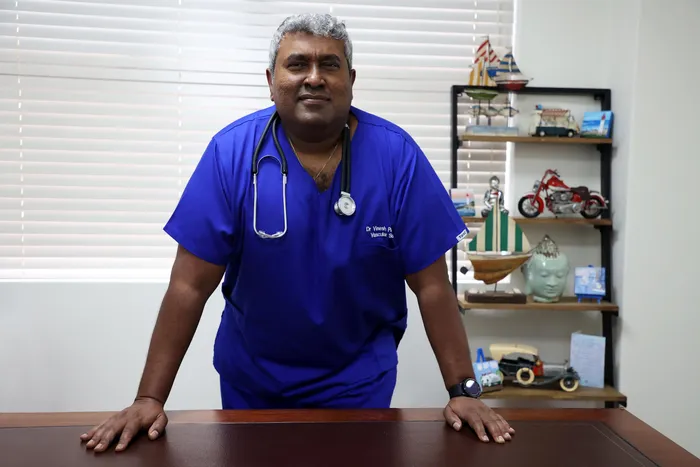
“South Africa is currently facing a critical healthcare crisis as the gap between kidney failure patients and available transplants reaches an all-time high,” revealed leading Vascular Surgeon Dr Vinesh Padayachy from the Lenmed eThekwini Hospital and Heart Centre.
Thousands of South Africans remain trapped in a life-or-death waiting game.
Kidney disease affects an estimated 6% to 10% of the South African population. This rising prevalence is largely driven by non-communicable diseases; hypertension is present in 55% of South African kidney patients, followed closely by diabetes.
“For many, the only bridge to a transplant is dialysis, but this system is also at a breaking point. Public hospitals are forced to "ration" care, with some facilities reportedly turning away hundreds of patients monthly due to oversubscribed units. Without access to either dialysis or a transplant, these patients face a certain, bleak future,” he said.
But Dr Padayachy still maintains that prevention is always better than cure.
He stressed the importance of spotting kidney problems early.
Warning signs include:
“Regular check-ups, monitoring blood pressure and routine blood tests can help in early detection,” he advised.
For those already on haemodialysis, lifestyle adjustments were “just as important as medical care. I recommend following dietary and fluid restrictions, exercising regularly, avoiding smoking and managing stress to improve quality of life,” he said.
Experts identify several complex factors contributing to the shortage:
Low Registration: Only about 0.2% of the South African population is registered as organ donors.
Even when potential donors are identified, family consent rates have declined over the past decade.
Provincial Inequity: Access to treatment remains highly unequal, with the Western Cape recording 165 kidney replacement therapy patients per million, while provinces like Mpumalanga record as few as 3 per million.
Health officials and NGOs like the Organ Donor Foundation (ODF) are intensifying awareness campaigns to dispel myths and encourage registration.
According to the ODF:
One donor can save up to seven lives and significantly reduce the strain on the national healthcare budget, which currently pays upwards of R250,000 per year per dialysis patient.
Recent data underscores the severity of the shortage:
The Waiting List: Approximately 6,500 patients are currently awaiting organ and tissue transplants across South Africa. Of these, kidneys are the most in-demand organ.
The Transplant Gap: While thousands wait, fewer than 300 organ transplants are performed annually. In a typical year, only about 229 to 249 of these are kidney-related.
Donation Rates: South Africa has one of the lowest deceased organ donor rates in the world, estimated at roughly 1.4 to 1.6 donors per million population. For comparison, leading countries like Spain maintain rates above 47 per million.
South Africans can register as donors through the ODF website or by calling their toll-free line at 0800 22 66 11.
Dr Padayachy's rooms may be reached on 031 581 2493 at the Lenmed eThekwini Hospital and Heart Centre and he specialises in Vascular Access; Varicose Veins; Venous Disorders; Diabetic Foot among other issues affecting the arteries, veins, and lymphatic system.