

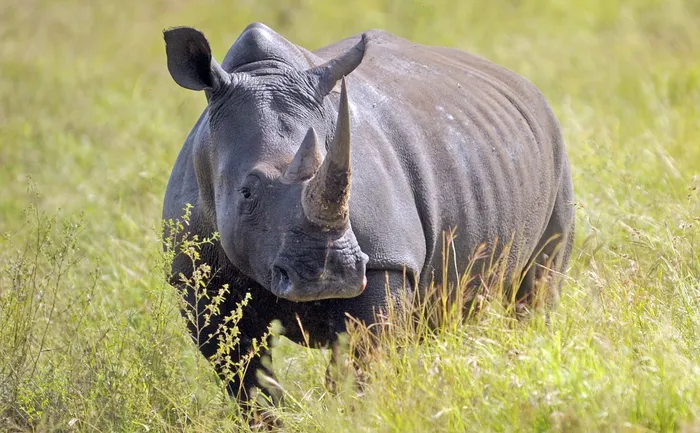
South Africa celebrates a significant 16% drop in rhino poaching in 2025, showcasing innovative strategies and collaborative efforts in conservation.
Image: File
South Africa's robust anti-poaching and anti-trafficking efforts have resulted in a 16% decline in rhino poaching in 2025 compared to the previous year. Minister of Forestry, Fisheries and the Environment, Willie Aucamp, praised the dedication and tactical coordination behind this progress.
According to Minister Aucamp, 352 rhinos were poached in South Africa from January to December 2025, a significant reduction from the 420 rhinos lost in 2024. Of the rhinos poached, 266 were killed on state property, while 86 were lost in privately owned parks, reserves, or farms.
Despite the overall decline, the province of Mpumalanga emerged as a major concern, reporting a staggering toll of 178 rhinos lost, a sharp increase from the 92 that were poached in 2024. Most of these incidents occurred within the boundaries of Kruger National Park, which alone accounted for 175 rhinos, surpassing the previous year's figure of 88.
On a more positive note, KwaZulu-Natal's Hluhluwe-iMfolozi Park demonstrated resilience, with poaching numbers plummeting from 198 in 2024 to just 63 in 2025. Ezemvelo KZN Wildlife attributed this significant reduction to improved collaboration with rhino owners fostered through the Integrated Wildlife Zones (IWZ) Programme.
Minister Aucamp said: “While Ezemvelo recognises that the strategic dehorning programme implemented in 2024 served as a critical catalyst in stabilising rhino poaching pressures and enabled urgent, targeted interventions, analysis of the 2025 outcomes confirms that multiple complementary interventions were central to the reduction in poaching incidents.”
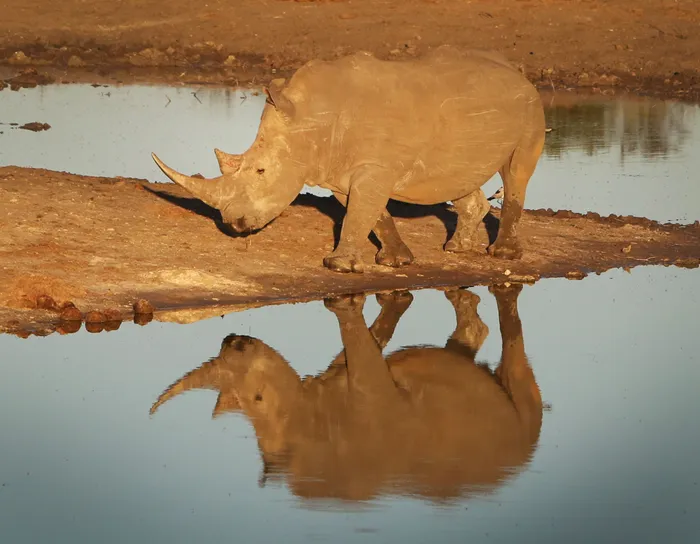
Innovative conservation strategies, including advanced camera technologies, play a vital role in tracking and protecting rhinos.
Image: Shelley Kjonstad/ African News Agency (ANA)
Among these interventions were enhanced detection and early-warning capabilities, bolstered through advanced camera technologies and sensors deployed in key areas. Additionally, the Integrity Implementation Plan has reinforced organisational integrity by successfully implementing polygraph testing for all park law-enforcement personnel, resulting in increased public confidence in conservation efforts.
Continuing to combat rhino poaching and wildlife trafficking, the National Integrated Strategy to Combat Wildlife Trafficking (NISCWT) has inspired a series of successful prosecutions. Aucamp noted that collaborative efforts within the Director of Public Prosecutions’ Environmental Working Group have allowed for a more comprehensive approach to prosecution, handling multiple cases simultaneously. This strategy provides the courts with an intricate understanding of the organised crime syndicates involved.
South Africa has also made strides in international cooperation, a move that culminated in receiving the Asia Environmental Enforcement Recognition of Excellence Award late last year, recognising the dedication of government officials and institutions in tackling transboundary environmental crimes.
“Working together with the South African anti-poaching and anti-trafficking organisations, we remain committed to a balanced, intelligence-driven, and partnership-based approach to rhino protection,” Aucamp said.