

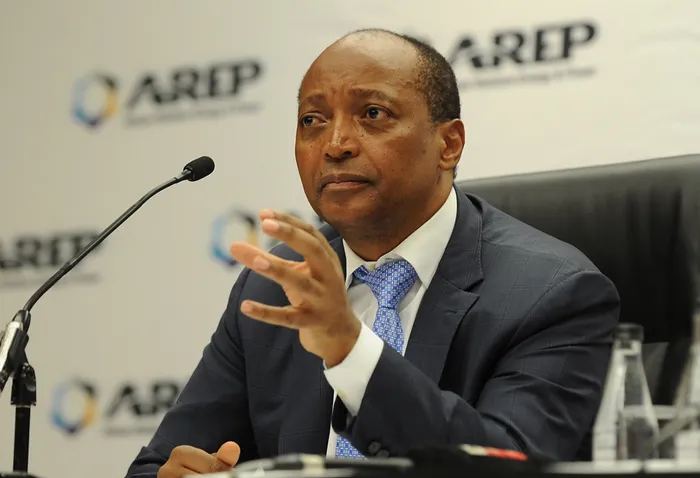
CAF president Dr Patrice Motsepe announced that the Africa Cup of Nations will be played every four years from 2028.
Image: Karen Sandison / Independent Newspapers
A series of reform measures aimed at reshaping the continent’s football landscape has sent ripples through African football.
Over the weekend, Patrice Motsepe, the President of the Confederation of African Football (CAF), unveiled these reforms at a press conference in Morocco, just one day before the kick-off of the 2025 Africa Cup of Nations (AFCON).
These reforms have sparked widespread criticism, particularly from former players and football enthusiasts who claim that CAF prioritise European interests at the expense of Africa’s football development.
The primary reform was to move AFCON to a four-year cycle, rather than the customary two-year cycle.
Furthermore, he announced the cancellation of the African Nations Championship (CHAN) in favour of a new, eagerly anticipated competition: the African Nations League, set to launch after 2027.
This new format aims to mirror Europe’s Nations League, promising more competitive matches and enhancing the commercial value and global visibility of African football.
Despite Motsepe’s ambitious vision, the timing and substance of the announcements have sparked a storm of debate across the continent.
Many critics argue that these changes benefit European clubs more than stakeholders in Africa. Former players, administrators, and fans have taken to social media to voice their discontent, expressing concerns that CAF has deviated from its mandate to uplift African football.
The prevailing sentiment among detractors is rooted in the belief that the reforms align with European football schedules and revenue streams, particularly following Motsepe’s partnerships and calendar adjustments with European entities.
A significant point of contention is the alignment of AFCON with the FIFA calendar; previously, this schedule created conflicts with domestic leagues, disrupting player commitments and club revenues. Critics argue that this revised approach fails to acknowledge the unique needs of African football.
Motsepe stands firm in his rationale, labelling the reforms as vital to strengthening African football and inviting deeper global engagement.
However, many voices echo the notion that these decisions reveal a lack of confidence within CAF regarding the actual value and identity of African competitions.
While the Africa Cup of Nations has historically been a cornerstone of African football culture, the changes initiated by Motsepe raise questions about the future identity and autonomy of African football amid European dominance.
For many, the AFCON remains more than a tournament; it is a celebration of culture, talent, and unity across the continent.
Past attempts to transition the tournament schedule to summer were met with logistical challenges and conflicts with other major tournaments, leading to a regression to its traditional winter setting.
Now, the abandonment of the African Nations Championship and the introduction of a new league format is seen by some as a departure from the values that have long characterised the continent’s football ethos.
The coming weeks are likely to reveal how these changes will ultimately affect not just the competitions themselves, but the very fabric of African football.