

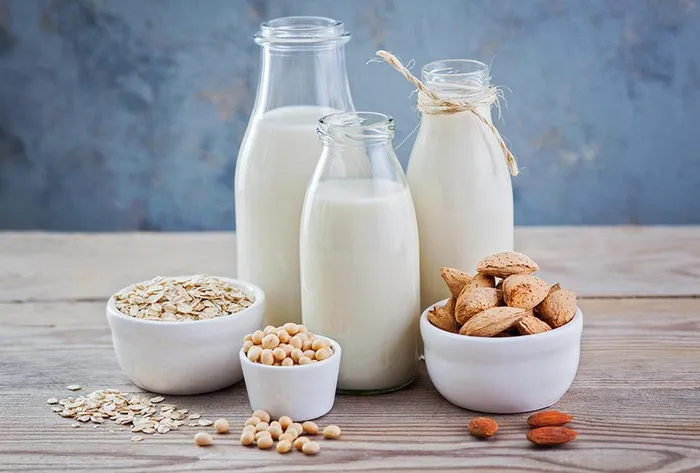
Oat, soy or almond milk are alternatives to cow's milk.
Image: Supplied.
Global animal welfare organisation FOUR PAWS is appealing to South Africans to switch from cow’s milk to plant-based milk alternatives amid growing concerns over the environmental and ethical impact of dairy farming.
Ahead of World Plant Milk Day on 22 August, FOUR PAWS highlighted that dairy production in South Africa and around the world contributes significantly to climate change, deforestation, and animal suffering. Cows in industrial dairy systems are repeatedly impregnated, separated from their calves, and often live in confined conditions to maximise milk production.
The organisation believes plant-based milks present an easy, affordable and compassionate solution.
“South Africans are already embracing meat-free Mondays, flexitarian diets and conscious living,” said Fiona Miles, Director of FOUR PAWS South Africa. “Swapping dairy milk for oat, soy or almond milk in your morning rooibos, cereal or smoothie is a simple step with powerful impact, for your health, for the planet, and for animals.”
According to the Planetary Health Diet, developed by global scientists to balance human and environmental health, the world should consume no more than 15.7 kg of meat per person per year. However, we surpassed that limit globally by 19 June 2025, now dubbed Meat Exhaustion Day. While South Africa’s average meat and dairy consumption remains lower than the Global North, our dietary trends are moving in the wrong direction. “We must protect the healthier, more plant-forward traditions in many South African communities,” says Miles. “If we follow high-income countries down the path of overconsumption, we’ll end up paying with our health, our climate, and our conscience.”
Thanks to a growing demand for plant-based options, local retailers and cafés now offer a wide range of delicious, fortified milk alternatives also available at major retailers nationwide and online stores.
Why make the switch?
“Living kinder isn’t about perfection, it’s about progress,” says Miles. “Every time we choose a plant-based product, we’re reducing demand for factory farming and building a more compassionate food system for South Africa.”
Take the First Step
FOUR PAWS invites the public to celebrate World Plant Milk Day by trying something new: ask your favourite café for oat milk in your coffee, pour soy or almond milk over your granola, or bake a malva pudding with coconut milk. Small actions add up. “South Africans are changemakers,” Miles adds. “We’ve led social movements before, now let’s lead the movement towards conscious eating. Your next glass of milk can be a vote for a better world.”